 Fitness, Nutrition, Health and Sports Blog In the HSNstore Blog you will find tips about Fitness, sport in general, nutrition, and health – HSNstore.com


Without making a fuss, but sometimes, knowing the multitude of bacteria and parasites we live with, it’s no surprise that a large part of the population will suffer some kind of infection from a microorganism. As we’ve always been taught, we need to be extra careful with hygiene, depending on the environment we’re in. However, it can happen that no matter how well we follow these protocols, we become the host of one of them, maybe without even knowing it. If we notice unusual symptoms or discomfort we didn’t have before, the best move is to check with our doctor and make sure everything’s okay.
What is Helicobacter Pylori?
Also known as the “stomach bacteria,” H. pylori is a type of spiral-shaped bacteria that infects our stomach. It can cause chronic inflammation of the stomach’s inner lining (gastritis) and the duodenum in humans. This bacteria is also considered a common cause of ulcers worldwide. Up to 90% of people with ulcers are infected with H. pylori.

Many people have these organisms living in their stomach and upper digestive tract and have few or no symptoms, meaning they don’t know they’re infected
How does Helicobacter Pylori spread?
Although the exact way H. pylori spreads isn’t known, it seems to be passed from person to person through saliva, with most people getting infected during childhood. It can also potentially spread through fecal contamination. This might explain why infection rates are so high in poorer countries and socioeconomic groups characterized by crowded living conditions, poor sanitation, and lack of clean water. Personal hygiene is also super important since food handlers who can’t wash their hands properly can be potential sources of infection.

Helicobacter Pylori in the stomach
After being swallowed, the bacteria “finds its hideout” through the protective mucus lining the stomach to stick to deeper layers of the stomach, where it can live for years without causing any obvious symptoms. The presence of H. pylori in the stomach can actually reduce esophagitis by lowering the amount of stomach acid that flows back into the esophagus. This, in turn, leads to a lower risk of esophageal cancer in those infected with H. pylori.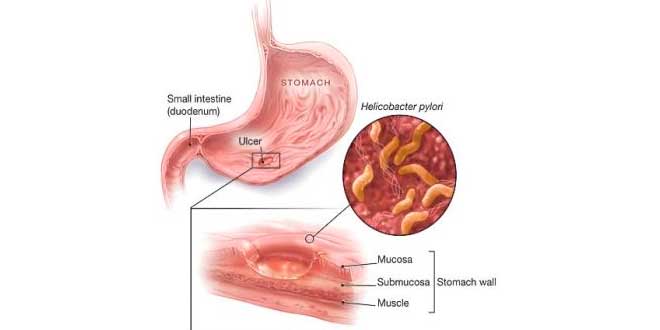
The bacteria has evolved to survive in the acidic environment of the stomach where enzymes digest food
Cancer risk from Helicobacter Pylori
Infection with H. pylori causes chronic inflammation and significantly increases the risk of developing duodenal and gastric ulcers and gastric cancer. H. pylori infection is the strongest known risk factor for gastric cancer, which is the second leading cause of cancer-related deaths worldwide. Once H. pylori colonizes the stomach environment, it persists for the host’s entire life, suggesting the host’s immune response is ineffective at clearing this bacteria.
Helicobacter Pylori diagnosis
The outlook for H. pylori is good in most cases. Many infections are mild and cause few or no symptoms. Those with severe infection and ulcers have a more closely monitored prognosis since ulceration can lead to bleeding and other damage affecting other parts of the body.

Symptoms of Helicobacter Pylori
Even though most people infected with H. pylori are symptom-free and disease-free, those who do have digestive system symptoms like gastritis (inflammation) or ulcers likely have an H. pylori infection, which produces a cytotoxin called Vac-A.
Symptoms include:
- Upper abdominal pain;
- Loss of appetite;
- Nausea and vomiting;
- And if severe enough, bleeding in the gastrointestinal tract.
Description of H. Pylori symptoms
Abdominal Pain
Described as a burning or aching sensation in the upper central part of the stomach below the ribs (commonly called the pit of the stomach), and may be associated with bloating, burping, and loss of appetite. Symptoms often occur after eating, and many patients wake up in the early morning hours with abdominal pain.
Inflammation
If inflammation is severe enough, bleeding can occur from the stomach lining or an ulcer in the area where this condition has caused damage. Symptoms of bleeding include vomiting blood and black, tarry stools. Black stools result from blood that has been metabolized and partially digested.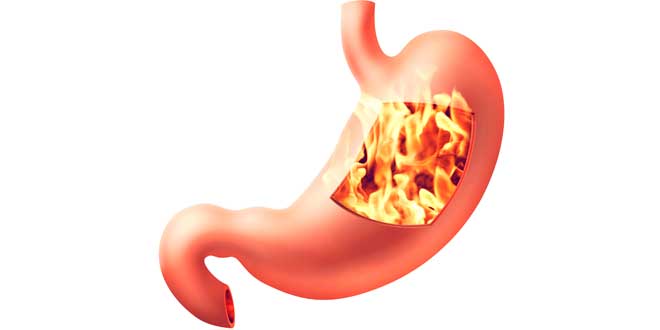
How do I know if I have Helicobacter Pylori?
When severe abdominal pain appears suddenly and lasts longer than usual, it can be a cause for concern. Symptoms of diseases in many abdominal organs can include upper abdominal pain, nausea, and vomiting. For example, conditions of the gallbladder, liver, pancreas, and kidney can present abdominal pain as a symptom. Upper abdominal pain and nausea can also be an atypical presentation of angina or coronary artery disease pain.

However, vomiting blood or passing black, tarry, or bloody stools are medical emergencies and should never be ignored
What tests are done to check for Helicobacter Pylori?
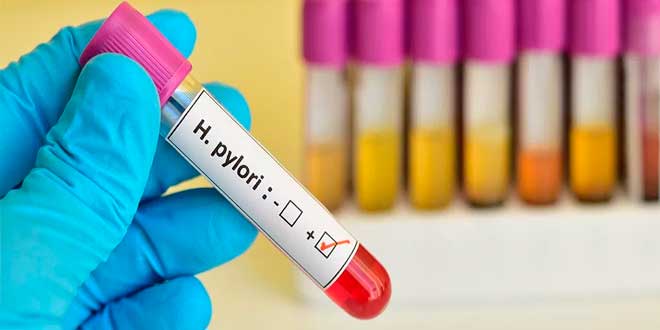
Testing for H. pylori infection can be done with blood, stool, or breath samples. Biopsies or small tissue samples from the lining of the gastrointestinal tract taken during endoscopy can also be tested for H. pylori presence. Usually, this test is done after diagnosing gastritis or an ulcer. Diagnosis depends on the healthcare professional taking a patient history and asking specific questions. Besides infection, other lifestyle-related causes linked to gastritis and ulcers include smoking, alcohol consumption, and use of nonsteroidal anti-inflammatory drugs like aspirin, ibuprofen (Advil, Motrin), and naproxen (Naprosyn, Aleve).
How is Helicobacter Pylori cured?
Treatment for Helicobacter pylori infection involves multiple steps. Besides antibiotics to wipe out the bacteria, another goal is to reduce stomach acid secretion and eliminate risk factors that irritate the organ. Antibiotic treatment usually lasts two weeks and may include clarithromycin (Biaxin), metronidazole (Flagyl), and tetracycline (Achromycin). It’s also important, for the stomach’s health, to change certain unhealthy habits like avoiding alcohol, taking aspirin, ibuprofen (Motrin, Advil), naproxen (Aleve) only with your healthcare provider’s approval, and quitting smoking.

How to prevent Helicobacter Pylori infection?
Personal hygiene is the first step to reduce human-to-human transmission. This is especially important for those involved in food preparation, whether at home or in public places. Vaccines to prevent infection are being developed but are still in research phases and not available for human use. Diagnosis of Helicobacter pylori infection usually follows the diagnosis of gastritis or ulcer. With proper antibiotic therapy, the bacteria should be eradicated and the risk of future complications reduced.
Sources
- http://www.emedicinehealth.com
- https://www.ncbi.nlm.nih.gov/pmc/articles/PMC2952980/