Fitness, Nutrition, Health and Sports Blog In the HSNstore Blog you will find tips about Fitness, sport in general, nutrition, and health – HSNstore.com

Surely, many times in your life you’ve heard: You are what you eat
When it comes to skin, its appearance often reflects the quality of your diet. Food in general affects skin condition, either positively or negatively. That’s why we’ve picked the 10 foods that can have adverse effects on the healthy look and texture of your skin.
1. Packaged and processed foods
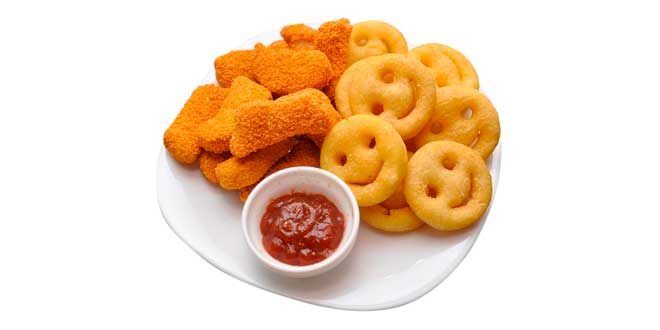
Processed and packaged foods should be avoided because they provide few essential nutrients and a lot of saturated fats and sugars. In other words, during processing, live enzymes and nutrients break down and get lost. Diets high in processed foods always show nutritional deficiencies, and these deficiencies always show up on the skin. Generally, the better the quality of your food, the better your health—and good health also shows on your skin. Plus, processed foods often have low water content. All foods, especially fruits and veggies in their natural/raw state, have higher water content and provide the hydration your body needs to keep everything running smoothly. This hydration is key for skin health, as it helps detoxify the skin and regulate oil production.
2. Non-organic products
Non-organic products can contain hormones, pesticides, herbicides, fungicides, and waxes. When it comes to our health, these toxic intruders can be harmful. Certain hormones and pesticides have been shown to disrupt motor skills and have been linked to various diseases and health conditions. Our bodies don’t recognize these chemicals and often trigger an inflammatory response. Even more, studies show that organically grown foods have two to three times the vitamins, minerals, and trace elements compared to non-organic foods.
3. Meat products
With industrial farming methods, animals are often fed a cocktail of steroid growth hormones. Also, overcrowding on farms means animals don’t get to exercise before slaughter, so their meat contains a higher percentage of saturated fat. Plus, they’re not fed their natural herbivore diet but are stuffed with processed foods to fatten them up quickly. When we eat these animals, we’re basically getting a dose of their diet and this chemical cocktail. These compounds can cause hormonal imbalances in our bodies, which can lead to acne and inflammation. Also, meat is generally harder to digest, and if you’re not getting enough water and fiber in your diet, meat residues can get stuck in your digestive system, where they rot and add to body toxicity.

4. Dairy
The same goes for dairy products. Many dairy cows are fed hormones to keep them lactating year-round, doubling their milk production. When we drink that milk (or eat yogurt, ice cream, cheese, etc.), we also get a dose of these hormones. Dairy consumption has been linked to acne, and the excess estrogens often found in dairy can cause a cascade of health issues in both men and women.
5. Fried foods and hydrogenated fats
When oil is heated to very high temperatures, oils and fats oxidize. Vegetable oil turns into another type of fat called saturated fat, which helps cholesterol settle in arteries, increasing the risk of heart disease. But also, fried oil is modified and altered, containing toxic substances for the body. These can contribute to heart disease, poor blood circulation, and a weakened metabolic process. Since healthy skin needs good circulation and proper metabolism, weak systems can lead to oxygen deprivation in the skin, reducing collagen and elastin synthesis needed for radiant, healthy skin.

6. Artificial sweeteners, colorants, and flavorings
Artificial sweeteners like aspartame, acesulfame K, and many flavor enhancers, preservatives, and colorants are very common in diets, but they’re basically a chemistry experiment that shouldn’t enter our bodies. They have no nutritional value, can have adverse effects, and trigger inflammatory and histamine reactions. Even worse, our bodies tend to store these chemicals in tissues.
7. Salt
Salt is hidden in many foods (especially processed ones) and causes bloating and water retention. After bloating, skin cells “deflate,” and as a result, skin looks less elastic.
8. Excess sugar
9. Excess caffeine
Studies show that 3-4 cups of caffeinated drinks stimulate the pituitary-adrenal response, leading to increased cortisol levels in our bodies. Excess cortisol (also known as the stress hormone) has been shown to speed up aging and damage skin, including thinning it. The thinner the skin, the more prone it is to fine lines, wrinkles, dehydration, and a dull appearance. Coffee is also a diuretic and can dehydrate the body. The better your body’s hydration, the healthier your skin looks.

10. Alcohol
It’s no surprise that alcohol also gives your skin a bit of a hangover, leaving it dry, dull, irritated, and prone to acne since alcohol reduces circulatory system activity, which is responsible for nourishing tissues. Drinking too much alcohol can even lead to vitamin A loss, an important antioxidant for overall skin health and elasticity.