Fitness, Nutrition, Health and Sports Blog In the HSNstore Blog you will find tips about Fitness, sport in general, nutrition, and health – HSNstore.com

The menopause and exercise should go hand in hand so that women can ensure they retain the best quality of life possible and reverse the different effects derived from hormonal changes.
How do you improve menopause symptoms?
Physical activity, exercise and healthy nutrition are some of the best tools to enjoy this stage in life and look after your well-being.
Although the menopause normally begins around the age of 50, it can start earlier (early menopause) due to several factors.
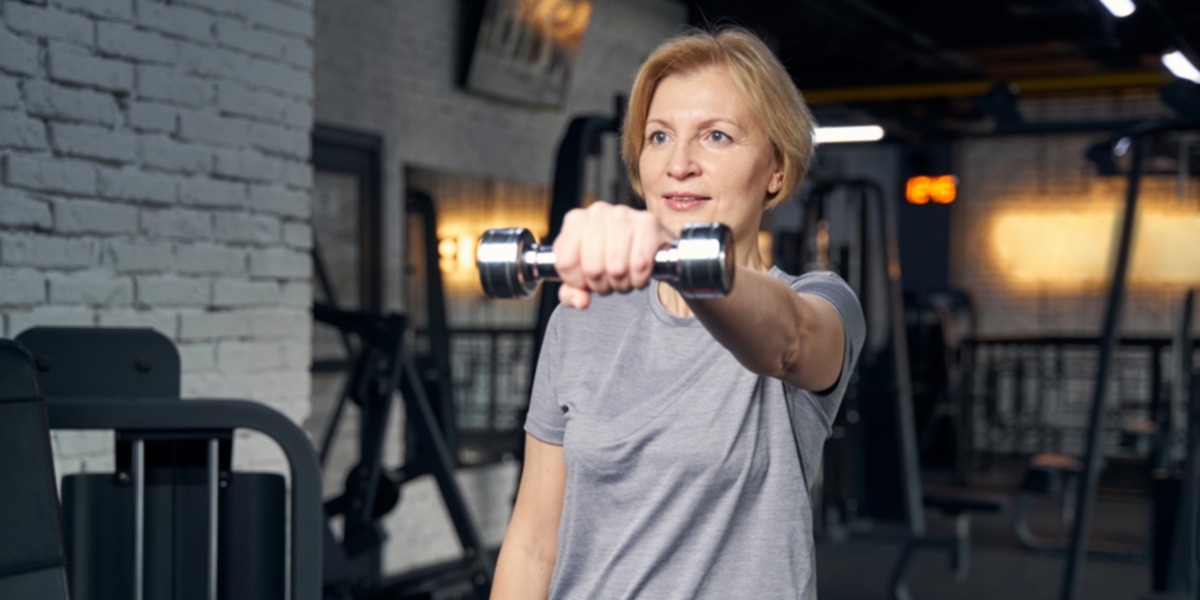
It’s a stage in a woman’s life when her body undergoes changes in all its aspects: physiological, anatomical, hormonal, endocrine and psychological.
What are the main benefits of exercising during the menopause?
Exercising is a great idea for women preparing their body for the menopause given the incredible benefits of doing so:
- It reduces the risk of disease, such as certain types of cancer or diabetes.
- It strengthens the bones.
- It prevents weight gain.
- It improves mood.
How does a lack of exercise affect the menopause?
At a hormonal level, the body stops secreting oestrogen, one of the primary hormones of the menstrual cycle, affecting all its functions and resulting in:
- Increased accumulation of abdominal fat.
- Urine loss, due to a lack of firmness in the tissues.
- Susceptibility to diabetes and coronary and cardiovascular diseases.
- Lack of motivation and libido.
- Loss of muscle mass and bone mineral density: meaning a greater propensity to falls and fractures.
Exercise promotes the full hormonal, endocrine and psychological balance of a woman’s body. It counteracts the undesirable effects of the depletion of the oestrogenic environment.
Benefits of practicing sport during the menopause
Taking into account the large body of scientific evidence on the benefits of physical exercise (especially strength training) on physiological, endocrine, cognitive and psychological levels…
Working out should be a top priority for women going through the menopause.
Good levels of physical activity and exercise, combined with a healthy diet, will help to maintain an optimal weight, as the reduction in oestrogen results in a poorer metabolism of fats.

Cardio training
What’s the best type of exercise for the Menopause?
Although the decrease in the oestrogenic environment affects the cardiovascular system, and cardiovascular exercise should be an essential part of a weekly training plan, the protagonist will be strength training.
Train with external loads and your own body weight will improve the functionality of the muscle as an endocrine organ.
To maintain good muscle mass, prevent the loss of bone mineral density, and support strong and healthy bones, you need to subject the musculoskeletal system to mechanical stresses that encourage blood supply to the bones.
Studies show that you should work with:
- High loads (close to 80-85% of your repetition maximum); and
- Speed of execution (to build power).
Plyometric exercises, or activities that involve jumping or bouncing, also directly promote the formation and maintenance of bone and tendon firmness.
In recent years, the recommendation has been to include weekly intervallic exercises, interspersing periods of intense effort with short recovery periods, such as with HIIT training.
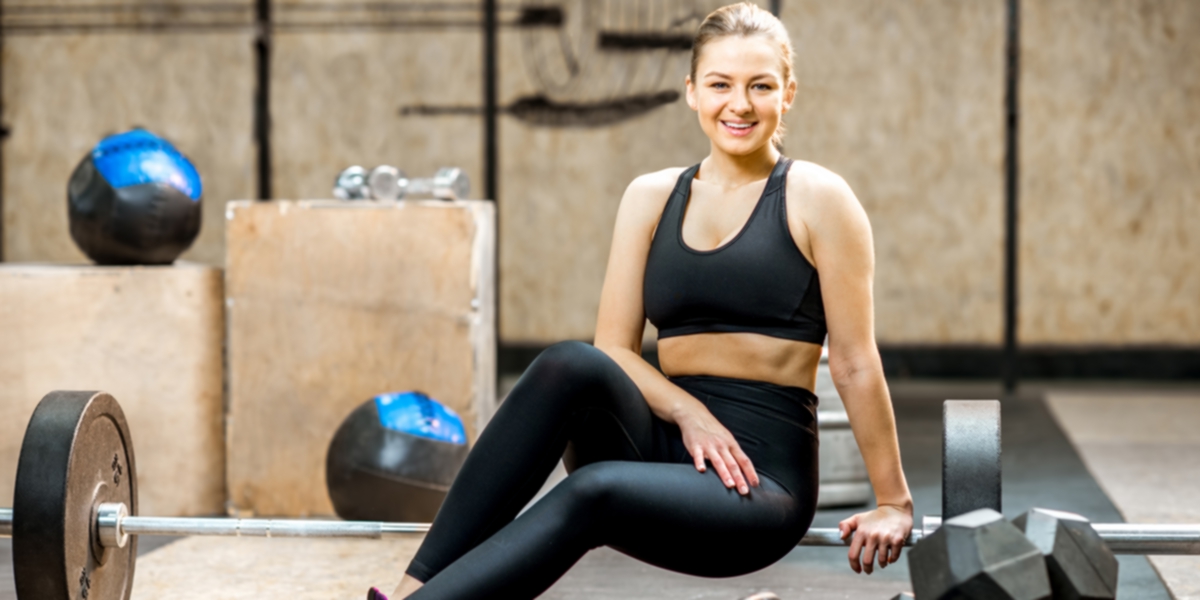
Strength training.
Between 2-3 strength training sessions per week are recommended, consisting primarily of structural exercises involving large muscle groups.
How to stay motivated with exercise during the menopause
Exercise is one of the best recommendations for the menopause as it can be a brilliant way to improve body image, increase well-being, reduce weight gain, and increase self-esteem and energy levels.
Women need to be aware of two factors in order to maintain their motivation for exercise during the menopause:
- How to prevent menopause symptoms.
- How to lift your spirits during the menopause.
You don’t need to set unreachably high goals, you can start with daily exercise (walking for 30 mins after lunch) to gradually increase your activity levels and then, for example, start to supplement this with strength training during the menopause routines.

Share the moment with a friend.
How does exercise affect the menopause?
Ongoing and programmed physical exercise will help:
- Retain good body composition
- Promote the proper functioning of the cardiovascular system.
- Maintain tissue firmness and muscle mass.
- Prevent osteoporosis.
- Maintain a good cognitive level.
Other recommendations for looking after yourself during the menopause
One of the questions that many women ask themselves at this stage in their life is why their legs ache during the menopause, and it’s due to fluid retention.
It is of paramount importance to stay active.
Another important point is muscle pain during the menopause, which will also be improved by maintaining a regular exercise routine.
Great exercises women over 50 can do at home include training with dumbbells. Learn more about how to do so with the guide on our blog.
A pair of dumbbells is all you need to start improving.
We also recommend doing a stretching and mobility routine, which carried out before bedtime, for example, will help you get a better night’s sleep.
We hope you can follow these menopause tips and start enjoying exercise as a way to maintain a better quality of life.
Related Entries
- We recommend the best Natural Supplements for Menopause
- Find out how Black Cohosh helps to reduce the hot flushes of the Menopause: Go to the link.