Fitness, Nutrition, Health and Sports Blog In the HSNstore Blog you will find tips about Fitness, sport in general, nutrition, and health – HSNstore.com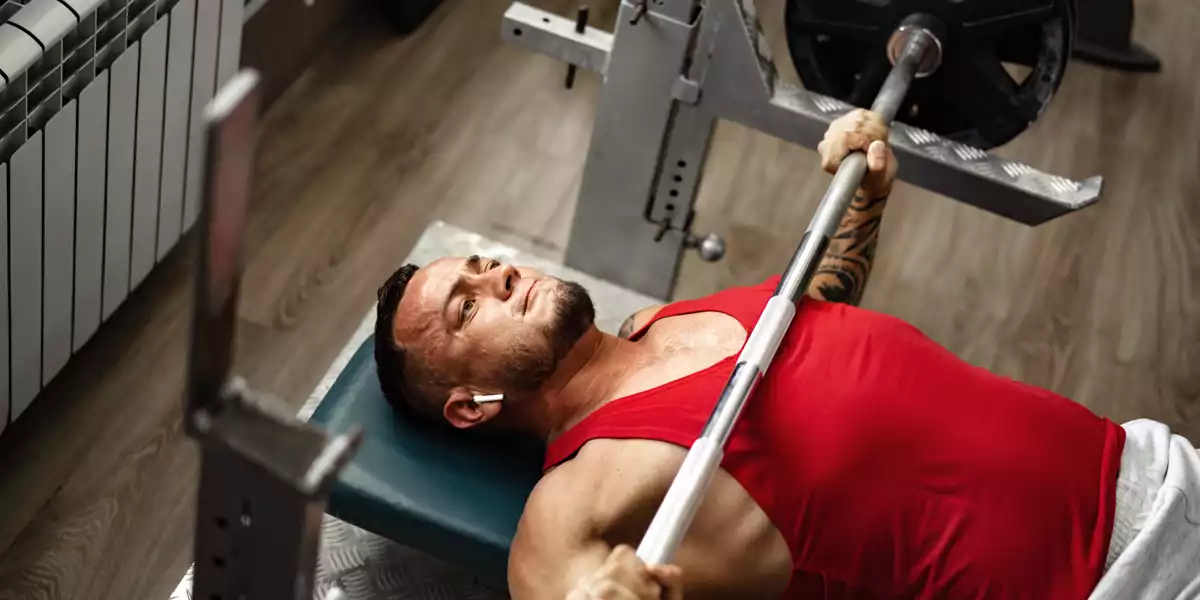
Chest training is essential for building a powerful upper body, improving your physique, and boosting functional strength for all kinds of movements. That’s why we’ve put together a series of training guides to help you get the most out of every rep and train your chest the smart way.
Why is Chest Training Important?
The pectoral muscles are crucial for upper body strength and stability. A strong chest isn’t just vital for pushing movements—like lifting or doing push-ups—it also plays a key role in keeping your shoulder joint stable and contributes to a more upright and confident posture.
Plus, since it’s one of the largest muscle groups in the upper body, training it helps to fire up your metabolism and supports a more balanced, athletic build.
Benefits of Chest Training
- More pushing power: Strengthens your pecs, front delts and triceps, improving your ability to push in any direction.
- Injury prevention: A strong, well-developed chest helps stabilise the shoulder joint—one of the most mobile and injury-prone in the body.
- Better sports performance: Sports like swimming, tennis, rugby or martial arts rely on a powerful chest to generate strength in every movement.
- Improved posture and aesthetics: A trained chest adds to a more athletic look and helps fight against that hunched posture (shoulders rolled forward).
- Boosted metabolism: Working such a big muscle group burns loads of energy, which supports calorie expenditure.
Tips for an Effective Chest Workout
Focus on technique and range of motion: Proper execution with a full range of movement is more important than lifting heavy if you want to activate muscle fibres and avoid injuries.
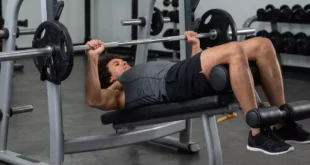
- Vary the angles: work the chest from different inclinations (incline, flat and decline press) to ensure full development of all portions of the chest (upper, middle and lower).
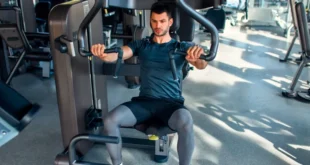
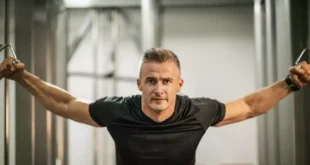
- Combine compound and isolation exercises: include basic movements such as bench presses and dips, and complement them with isolation exercises such as pull-ups for a total workout.
- Mind-muscle connection: focus on “feeling” the pec contract with each repetition rather than simply moving the weight.
- Don’t forget recovery: the chest needs adequate rest to grow. Make sure your nutrition and sleep are on par with your workouts.
Training your chest doesn’t just improve strength and looks—it also boosts overall performance and protects your shoulders. Combining barbell presses, dumbbells and isolation exercises will help you build balanced, functional strength.
Ready to train? Don’t forget to support your workouts with the right nutrition and high-quality supplements to power up your performance and recovery.
Don’t miss today’s chest workout!