Fitness, Nutrition, Health and Sports Blog In the HSNstore Blog you will find tips about Fitness, sport in general, nutrition, and health – HSNstore.com

We know that exercise and diet are essential for healthy muscle growth. But some supplements, such as creatine, can speed up this process when combined with sport and a proper dietary regime, including a sufficient intake of essential amino acids.
- To build muscle mass, it is recommended to take a generalised daily intake of creatine monohydrate of 3.5g. This way you won’t need to take rest periods.
- Competitive athletes may opt to take a 7-day loading phase (20g) to speed up the benefits.
- There is no “best time” to take it, the important thing is to use it consistently.
- There are several key factors to enhance the effects of creatine, such as staying well hydrated.
Find out below how to take creatine to increase muscle mass, as well as its properties, how long you should take it for and the factors you should take into account.

Recommended dose of creatine for muscle and strength gains
The following suggestion for taking creatine is aimed at those sportspeople and/or athletes seeking to boost its ergogenic benefits and planning for an upcoming competition:
Loading phase
The creatine loading phase involves taking a higher dose than maintenance for several days to saturate creatine stores as much as possible and improve performance during training.
Maintenance phase
This is a generalised phase to maintain creatine levels in the body and is the best option to increase muscle mass with creatine.
By following this dosing guideline, you will be providing your body with the optimal amount of creatine to improve your performance in the gym and enhance muscle growth in a safe and effective way.

How long can I take creatine?
When is the best time to take creatine?
You can take creatine before training or upon waking up, without having to be strict about the exact time. Although it can be consumed before or after training, its absorption effect in the body seems to be better at the end of exercise.

Tips on taking creatine
HSN brings you some recommendations to keep in mind to get the most out of your creatine supplementation:
- You can add it to your protein shake to take advantage of its synergy.
- Stay well hydrated.
- You can combine it with other supplements, such as HMB and Beta-alanine.
- Follow a balanced diet with sufficient calories and protein to support muscle growth.
- If you take creatine monohydrate (recommended) it is not necessary to mix it with fruit or carbohydrates to improve its absorption, as it is insulin-independent.
Benefits of creatine monohydrate to strengthen your body
Creatine monohydrate supplementation is effective for improving your performance, both in the gym and in other strength and power activities, and thus making your body noticeably stronger.
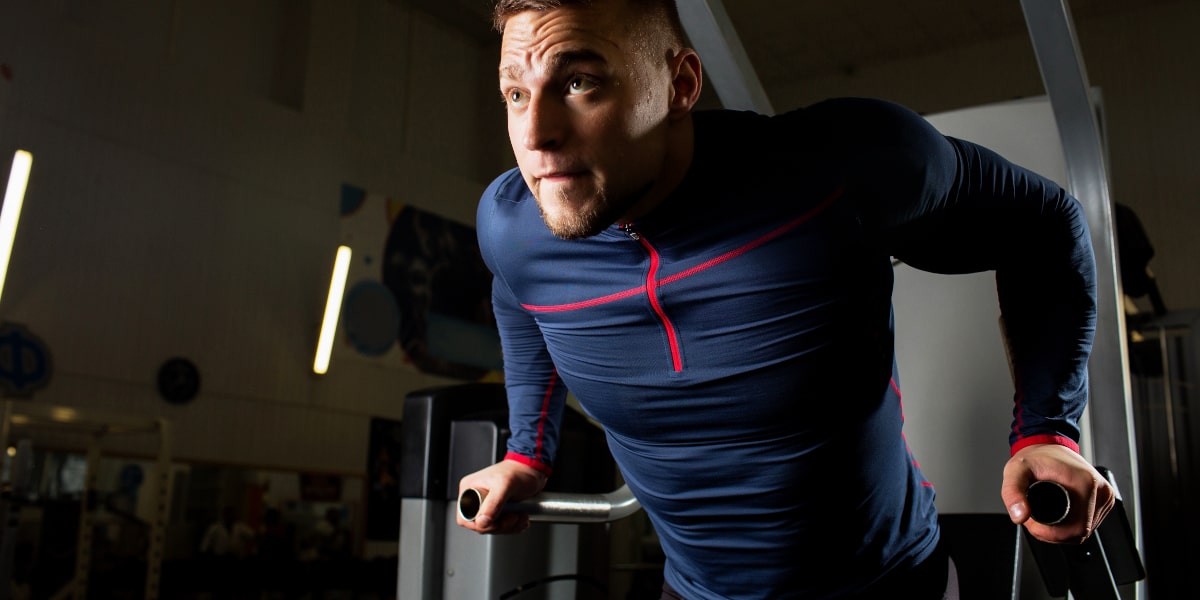
These are the reasons why you should consider using it in your sports routine:
- It increases phosphocreatine stores so that ATP can continue to be produced, providing energy to muscle cells.
- It speeds up muscle recovery after intense exercise in sportspeople.
- It boosts intensity during training and increases physical capacities.
- It draws water into muscle cells, increasing size and strength.
- It increases sporting performance.
- It helps overcome plateaus and optimise muscle gain.
Possible side effects
There have been reports of side effects in recent years, but these have finally been clarified and demystified:
- Fluid retention and weight gain (not fat): yes, there is water retention, but at the intracellular level, not subcutaneous.
- Muscle cramps and dehydration: it has been proven that maintaining proper hydration will not cause these symptoms. In addition, cramps, as current evidence suggests, are mostly due to an involvement of the nervous system or even attributed to the athlete’s own conditioning and genetics.
- Gastrointestinal problems: the classic recommendation of a loading phase or 0.1 grams of creatine per kg of body weight can lead to some stomach discomfort. We recommend the maintenance dose (3.5 grams of Creatine Monohydrate) from day 1 when you start taking it.
- Increased DHT production and hair loss: this assumption was the result of a study (the only one carried out) on American football athletes and it was not conclusively determined that creatine was the culprit, but rather a genetic predisposition.
Bibliographic sources
- Buford, T. W., Kreider, R. B., Stout, J. R., Greenwood, M., Campbell, B., Spano, M., … & Antonio, J. (2007). International Society of Sports Nutrition position stand: creatine supplementation and exercise. Journal of the International Society of Sports Nutrition, 4(1), 6. https://doi.org/10.1186/1550-2783-4-6
- Kreider, R. B., Kalman, D. S., Antonio, J., Ziegenfuss, T. N., Wildman, R., Collins, R., … & Lopez, H. L. (2017). International Society of Sports Nutrition position stand: safety and efficacy of creatine supplementation in exercise, sport, and medicine. Journal of the International Society of Sports Nutrition, 14(1), 18. https://doi.org/10.1186/s12970-017-0173-z
HSN content that you should check out on the subject:
- Arachidonic acid to increase muscle mass.
- Rest-Pause Method, get to know it and put it into practice in your workouts to increase muscle mass.
- Protein and muscle mass gain: When to take it to increase your strength?
- Do you know what to eat to increase your muscle mass? Here we tell you.
- Supplements to increase your muscle mass.