Fitness, Nutrition, Health and Sports Blog In the HSNstore Blog you will find tips about Fitness, sport in general, nutrition, and health – HSNstore.com

The grape (Vitis vinifera) is a plant that is familiar to everyone in Mediterranean countries, as it is native to these regions. It is used to make high-quality wines with protected designations of origin in different regions of Spain, France and Italy. However, in other countries, the plant may be more unknown, although grapes or their by-products are consumed more or less regularly all over the world.
The most common use of this plant is to eat its fruit, which is essentially what we know as grapes. From this, the juice is obtained through pressing, which when preserved and fermented generates alcohols that transform it into wine.
Sultanas are also made from grapes, which are used in confectionery and as a food itself. They are dried grapes.
I’m sure you’ve often heard that a glass of wine a day is a good thing. Well, that’s not quite true. The reasoning is due to its natural supply of resveratrol and polyphenols, but these compounds can be found in grapes without the need for fermentation to make wine.
There is no excuse (beyond responsible leisure) for consuming alcohol in the diet.
OPCs are famous because a lot of research has been carried out on them and many positive effects have been demonstrated from their consumption:
- Cholesterol-lowering properties.
- Positive effects on circulation.
- Antihypertensive properties.
- Better glycaemic (blood sugar) control.
- Reduced body weight and appetite.
- Boosting natural immune defences.
- Powerful antioxidant effect.

In this article, we take a closer look at OPCs and their properties. Don’t miss out!
What is grape seed extract for?
When we talk about preparations made from the grape plant, we normally think of products obtained from its fruit, but this is not the only part that can be used.
The parts of the grape that are the richest in the highly prized OPCs are the skin of the grape fruit, and its seeds.
Only a few things can be obtained from the seeds, as they are not eaten as often as other plant seeds, such as chia, sesame or sunflower seeds.
What can be done with the seeds is to treat them to extract them. In other words, concentrate the seeds into a powder that is then encapsulated so that the nutritional properties of the most naturally concentrated source of OPC can be enjoyed in a practical way.
1. A great source of antioxidants
Grape seed extract is an excellent antioxidant ingredient thanks to its high content of Oligomeric Proanthocyanidins.
Its polyphenols help to cope with oxidative stress, controlling inflammation and serving as prevention for many diseases such as high blood pressure, hepatic steatosis and diabetes that are catalysed by chronic low-grade inflammation generated by exposure to environmental oxidants.
2. It combats overweight
The oligomeric proanthocyanidins in grape seed, together with a healthy lifestyle (low-calorie diet and regular physical exercise), help reduce appetite. Thus resulting in better calorie control by ingesting fewer calories per day.
This, together with a decrease in basal insulinaemia, possible enhancement of the conversion of white adipocytes to brown fat and up-modulation of metabolic regulatory factors such as PPARγ, makes OPC-rich grape seed extract an excellent supplement for the reduction of fat percentage, body weight and for slimming diets in general.

3. It reduces the risk of cardiovascular disease
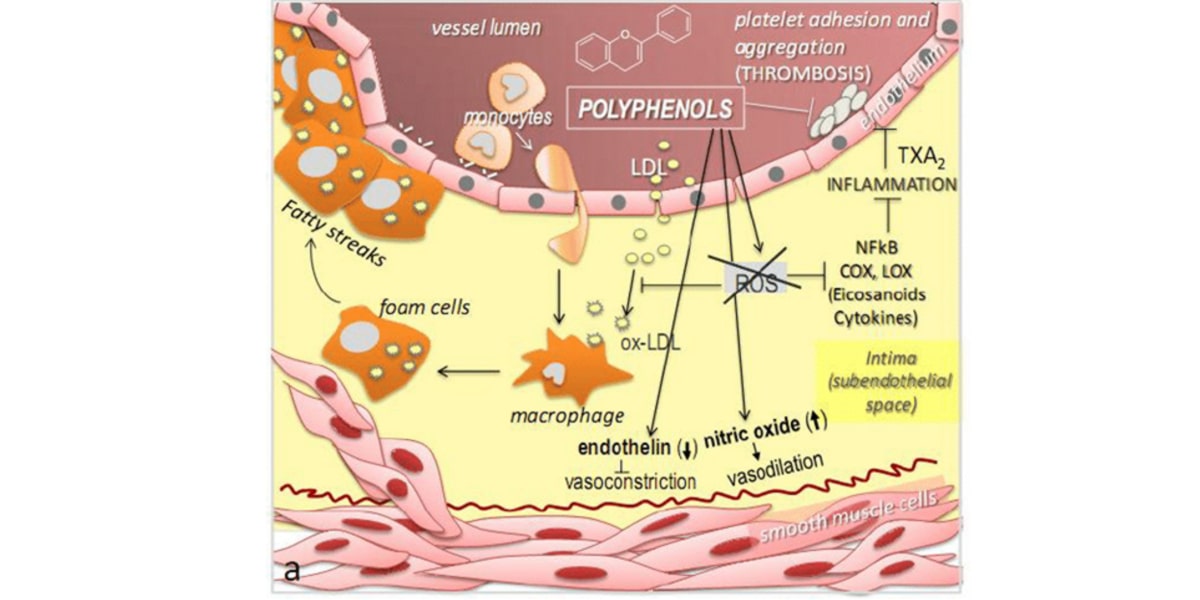
Thanks to the antioxidant properties of oligomeric proanthocyanidins, as well as other polyphenols present in grape seed, this compound has significant protective properties for the cardiovascular system (both heart and blood vessels).
It can reduce arterial stiffness by promoting the contraction-distension activity of the vascular endothelium, allowing arteries and veins to better adapt to changes in blood volume, lowering blood pressure and having a better haemodynamic effect that protects the heart and blood vessels from problems such as heart attacks and haemorrhages due to increased intravascular pressure.
4. It can improve sports performance
Such a vessel-flexing effect may help to improve blood transport during physical exercise.
It is not like consuming nitrates or arginine, which immediately affect nitric oxide synthesis, improving blood transport in a matter of minutes. But it is true that the biological pathways on which it has an impact:
How to take grape seed extract?
There are not many ways to consume the grape seed, as no culinary ingredients are made from it, and as such it is not consumed in the diet.
The only source we can eat on a regular basis is the fruit of the plant, i.e., the grape itself, as the skin is also rich in OPCs.
Quality grape seed extracts are available in food supplement shops. Unfortunately, however, many of them do not adequately control the OPC content of their extract.
Alfredo Valdés, one of our ingredient and product experts, explains in simple terms what it means that an extract may “not know its contribution of an important compound” (such as OPCs).
OPC or grape seed extract food supplements
It is therefore important to carefully check where grape seed extract is bought.
HSN has in its catalogue a product called “OPC COMPLEX” made from a highly concentrated grape seed extract, with a guaranteed high content (95%) of Oligomeric Proanthocyanidins (OPC). In addition, it has a complete formula with synergistic nutrients such as vitamin C which supports the functioning of blood vessels, and thiamine which contributes to heart care.
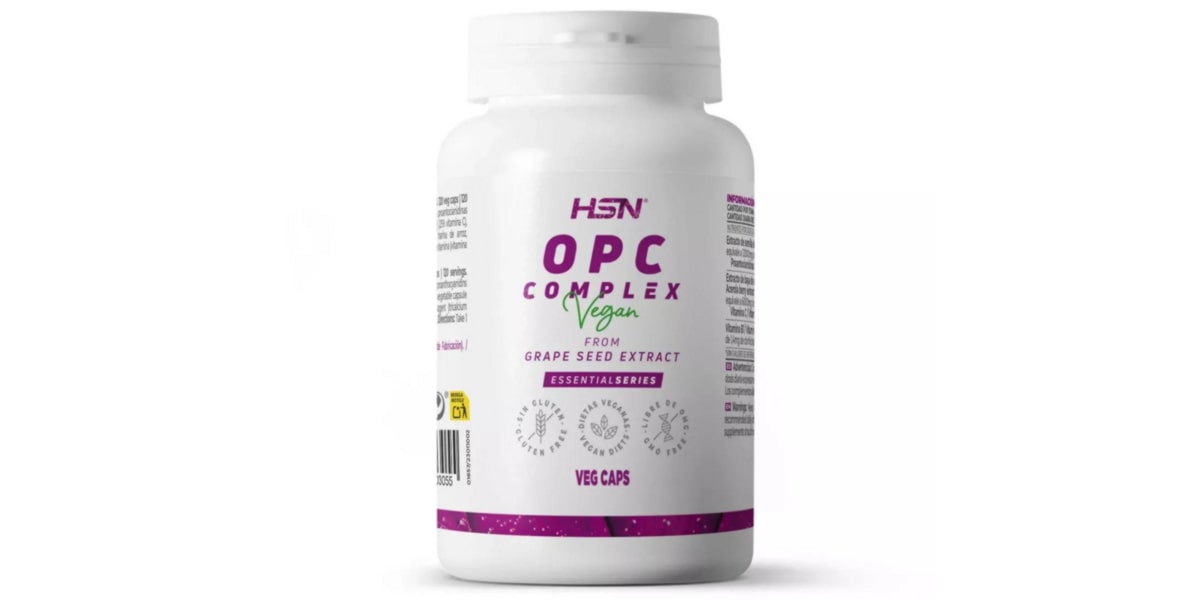
OPC Complex (Grape Seed Extract) by EssentialSeries.
Bibliographical references
- Dillon, K. N., Shariffi, B., Thompson, B., Steele, R., & Kim, J. K. (2020). Effects of acute grape seed extract supplementation on hemodynamics in normal body weight and obese males. Journal of Nutritional Science and Vitaminology, 66(5), 427–431.
- Gupta, M., Dey, S., Marbaniang, D., Pal, P., Ray, S., & Mazumder, B. (2020). Grape seed extract: having a potential health benefits. Journal of Food Science and Technology, 57(4), 1205–1215.
- Iriti, M., & Faoro, F. (2009). Bioactivity of grape chemicals for human health. Natural Product Communications, 4(5), 611–634.
- Rodríguez-Pérez, C., García-Villanova, B., Guerra-Hernández, E., & Verardo, V. (2019). Grape seeds proanthocyanidins: An overview of in vivo bioactivity in animal models. Nutrients, 11(10).
- Schön, C., Allegrini, P., Engelhart-Jentzsch, K., Riva, A., & Petrangolini, G. (2021). Grape seed extract positively modulates blood pressure and perceived stress: A randomized, double-blind, placebo-controlled study in healthy volunteers. Nutrients, 13(2), 1–18.
- Taghizadeh, M., Malekian, E., Memarzadeh, M. R., Mohammadi, A. A., & Asemi, Z. (2016). Grape seed extract supplementation and the effects on the biomarkers of oxidative stress and metabolic profiles in female volleyball players: A randomized, double-blind, placebo-controlled clinical trial. Iranian Red Crescent Medical Journal, 18(9), e31314.
Related Entries
- Find out more about another great antioxidant: Quercetin.
- Lycopene is a carotene found mainly in tomatoes… Read more.
- Are you interested in Krill Oil? Click here for more info.