Fitness, Nutrition, Health and Sports Blog In the HSNstore Blog you will find tips about Fitness, sport in general, nutrition, and health – HSNstore.com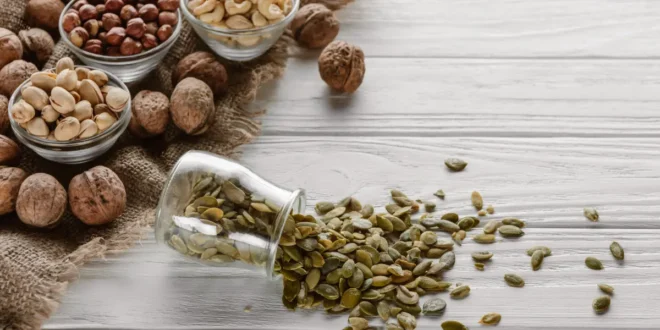

The antioxidant power of coenzyme Q10 is known in every corner of the planet. Not without reason, it is regarded as the ‘Fountain of Youth’. When trying to slow down the inexorable passage of time, a varied diet rich in ubiquinone (as it is also known) can become your best ally. The aim of this post is to introduce you to foods rich in coenzyme Q10, so that your shopping basket is overflowing with antioxidants.
List of the foods that contain the most Coenzyme Q10
Among the foods with the highest coenzyme Q10 content (more information) are fish, liver, meat, poultry, kidneys and whole grain sprouts.
The list of foods richest in coenzyme Q10 is headed by:
- Meat from grass-fed cattle
- Herrings
- Free-range chicken meat
- Trout
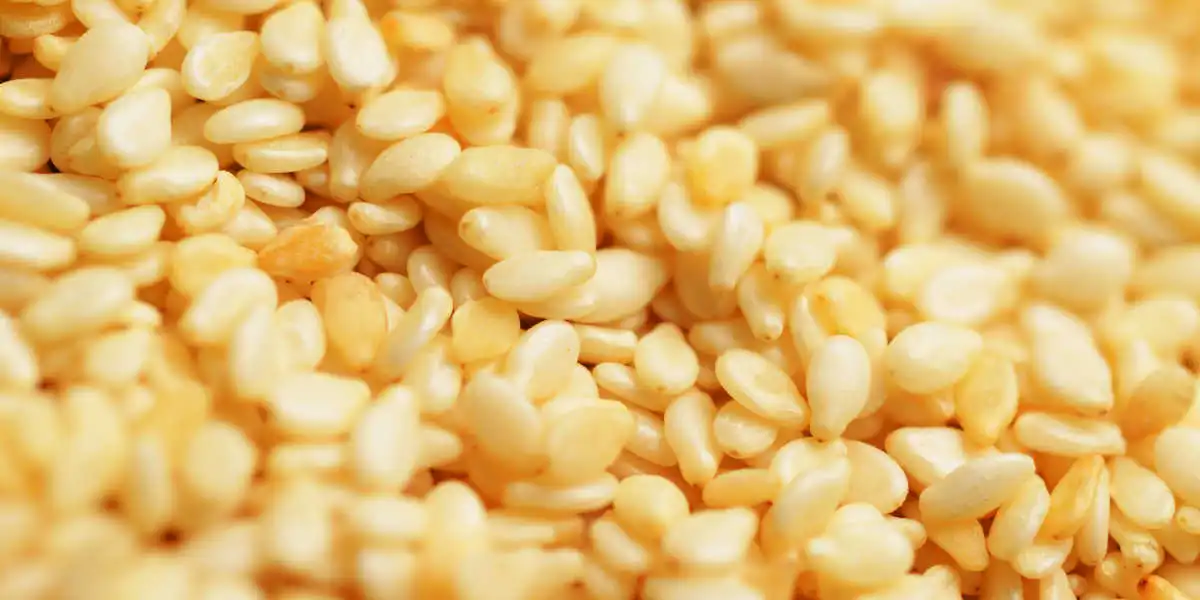
- Sesame seeds
- Pistachios
- Broccoli
- Cauliflower
- Oranges
- Strawberries
- Eggs from farm-raised animals
- Sardines
- Mackerel
Coenzyme Q10 is a fat-soluble compound synthesised mainly by the body and that you can find naturally in certain foods. The body tends to produce less coenzyme Q10 as time goes by. For this reason, it is in your interest to team up with this powerful antioxidant with a view to preventing the ageing process and wrinkles.
It goes without saying that a substance so revered by the cosmetics industry is also available to you in supplement form. But did you know that it can also do a lot for your health?
Why should you include them?
Once the ‘anti-ageing‘ properties of coenzyme Q10 have been mentioned, it is worth noting that it is also a significant source of energy, capable of supporting blood circulation. Not to mention the fact that its antioxidant properties support a healthy immune system!
In answer to the question we have posed, it is in your interest to include these foods because, with that simple gesture, you can counteract the effects of the passing years, as we have already indicated. To this, you can add the intake of coenzyme Q10 supplements.
Meat, oils, chicken and eggs
The meats that provide the most coenzyme Q10 are pork heart, beef heart and reindeer meat.
We understand that these are not particularly common foods on your table, so we are going to suggest some alternatives such as pork liver, beef liver and ham. These may be easier for you to get hold of, right? That said, the amount of coenzyme Q10 they provide is lower than that of the former.
For their part, and leaving meat aside, you can obtain significant amounts of this antioxidant from soya, cotton seeds, rapeseeds, sesame and maize, which is why vegans and vegetarians find them to be unmatched allies.
Fish, vegetables, legumes, seeds and nuts
Coenzyme Q10 from the sea? Of course it exists, and its greatest representatives are salmon, sardines, mackerel, horse mackerel, pollock, tuna, cuttlefish and herring, which contain high amounts of coenzyme Q10. Eels, soles and trout also include it in their composition, although they contribute in a more modest way.
In the chapter on vegetables, lovers of the plant kingdom are in luck, as there are several vegetables with coenzyme Q10, even if they provide it in smaller amounts. Those worth mentioning are spinach, peppers, broccoli, sweet potatoes, carrots, garlic, peas and cauliflower.

Primary and secondary sources
The foods that contain the most coenzyme Q10 can be divided into primary sources and secondary sources. Salmon, sardines and mackerel, leaders in the ranking of fish with the most coenzyme Q10, are considered primary sources. At the same time, they can boast their high contribution of Omega 3 fatty acids, which helps reduce the risk of suffering from heart disease and cardiovascular accidents.
On the other hand, there are those foods that contain coenzyme Q10 in smaller amounts and which, therefore, are considered secondary sources.
Coenzyme Q10 supplements to complement your intake
Although there is currently no specific health and nutritional recommendation in relation to coenzyme Q10, it is useful to know one golden rule: due to its status as a fat-soluble antioxidant, it is absorbed more easily when consumed together with a small amount of healthy fats (in the same way as vitamins E and A).
It would not be at all unusual for you to wonder that, if you can obtain coenzyme Q10 from certain foods, why do you need to take supplements? For the simple reason that the amount offered by natural sources is too low. To offset its consequences, experts recommend taking ubiquinone supplements.
To ensure the contribution of coenzyme Q10 that your body needs, follow a nutrient-rich and varied diet and take coenzyme Q10 supplements in those cases where you are at risk of suffering from an inflammatory disease or heart condition, as well as to take care of the health of your skin and show off an enviable appearance!
Add foods rich in coenzyme Q10 to your recipes, and enjoy the benefits of one of the most powerful antioxidants known!
Related Posts
- Here are all its benefits explained in detail: