 Fitness, Nutrition, Health and Sports Blog In the HSNstore Blog you will find tips about Fitness, sport in general, nutrition, and health – HSNstore.com

How to you interpret a blood analysis? What do the key values mean and how do you decipher them? We tell you everything you need to know about the key values.
Generally, when someone has a blood analysis taken, it’s because they’re feeling certain symptoms, ad a doctor will prescribe one or several clinical analysis to safely determine an accurate diagnosis of the patient’s situation.
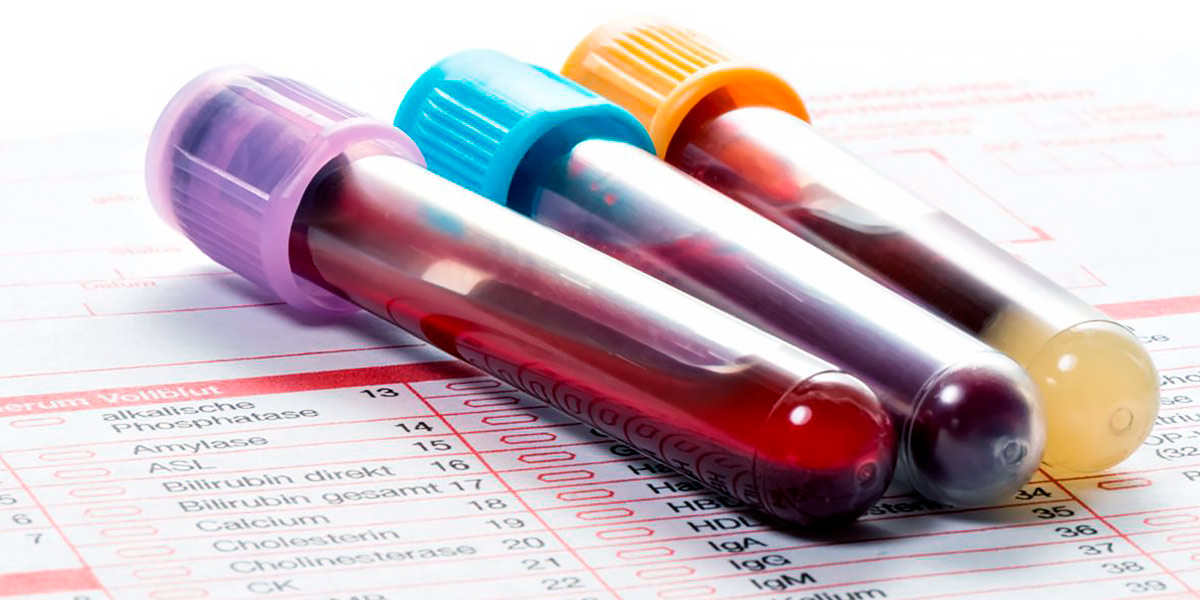
The results of a test giving the state blood values is important for the professional taking care of the patient.
What are the Key Values we should be looking at?
The key values, identified as Leukocytes, Haemoglobin, Glycemia or Glucose, Urea and Cholesterol, show on paper what our state of health is, and indicate to the doctor clues to the ailment beyond the symptoms.
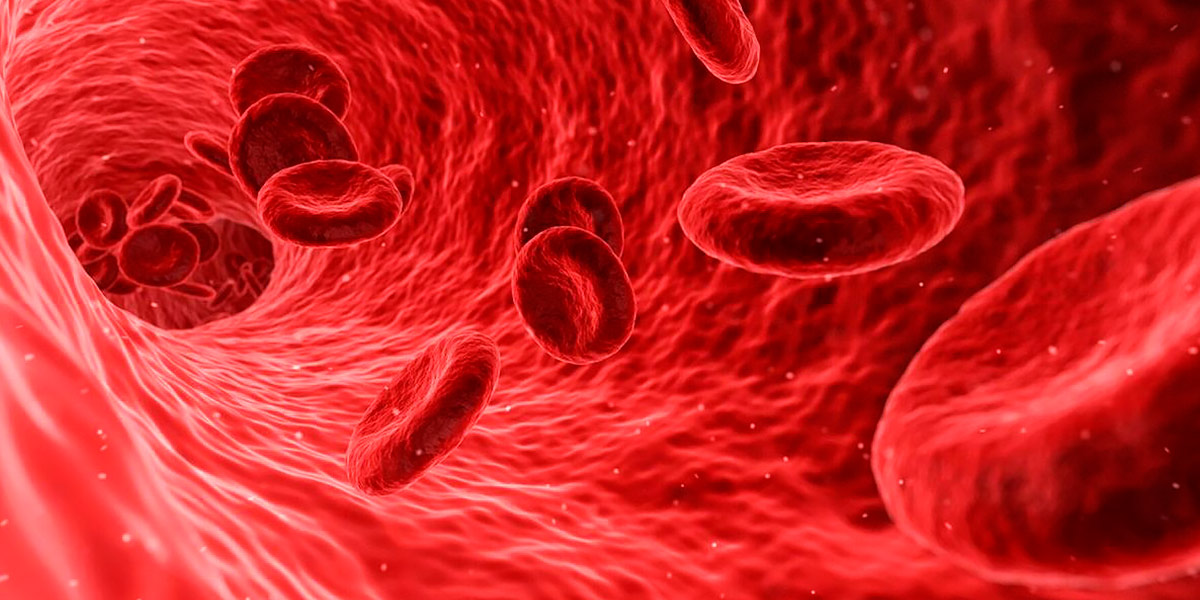
How to Interpret the Results
When we see the result of the analysis, we naturally want to interpret what the values are telling us.
Especially those that are accompanied by some kind of signal placed by the laboratory to indicate that some value exceeds or does not reach the normal range.
They need to be carefully considered, since the results of the analysis you’ve been given do not necessarily indicate that you’re ill..
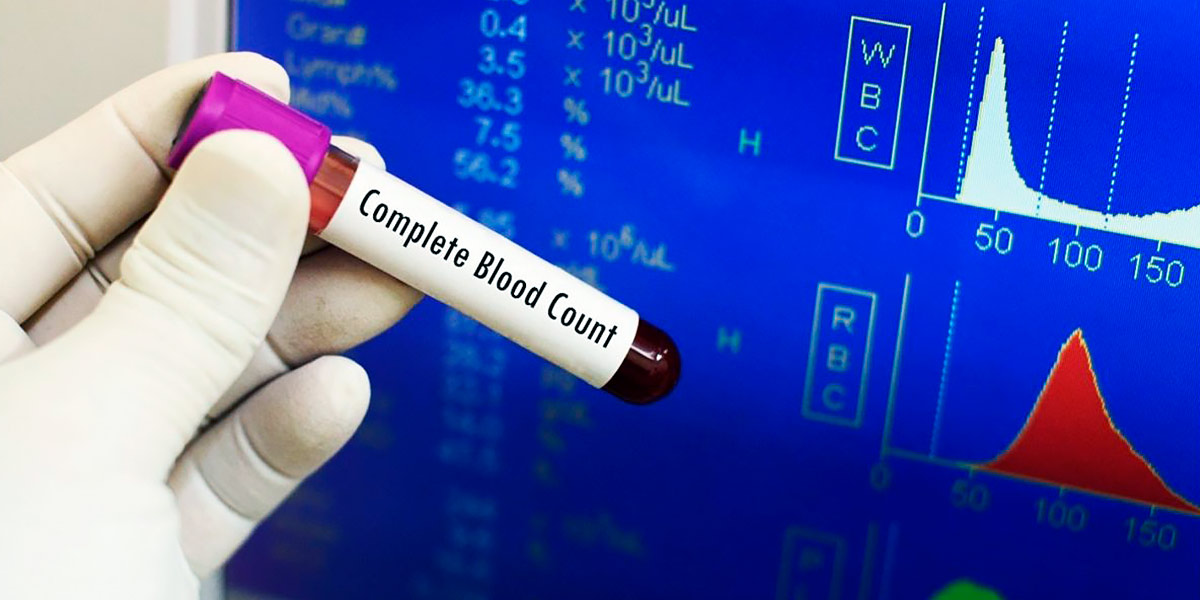
At this point it’s worth specifying why we consider the values indicated in this paper to be some of the most important:
Leukocytes, body defences
Leukocytes are identified as a type of white blood cell.
These cells play an important role in blood flow as they control the body’s defences against infections.
The caliber of the condition depends on the rate of growth of the amount of leukocytes in the blood test.
- The ideal value of these globules is considered to be between 4,000 and 11,000 cubic millilitres (mm3).
- If this number is exceeded by around 2,000 or 3,000 mm3, there’s no need to trouble yourself by inventing reasons that do not exist.
You may simply have had a respiratory infection. For example, if these do not reach 4,000 mm3 , i.e., they range from 3000 mm3 to 4,000 mm3, then they may indicate that you recently took antibiotics or an anti-inflammatory.

Bear in mind that exaggerated stress level can also increase the number of leukocytes.
Haemoglobin, essential protein
Another key value is Haemoglobin (Hb), which is responsible for the crimson colour in blood.
This protein is found in red globules that transport oxygen from the respiratory system to the body’s tissues.
When haemoglobin levels are below normal, we may be suffering from conditions such as anaemia, indicating an iron deficiency in the body. This may have been caused by a deficiency in the diet or a shortage of the mineral.

Many adolescents engaged in compulsive diets may fall prey to simple or pernicious anemia.
Kidney failure or cancer, for example, may also be revealed by a very low haemoglobin, when the situation is persistent and despite adequate treatment being given to the patient.
If this value is higher than normal, it should be attended to, as it could signal significant dehydration in the body or a respiratory condition.
Glucose: a source of nourishing energy
Glucose is a carbohydrate valued as the main source of energy for cells.
Its levels are at their highest two hours after eating and lowest if you’ve been fasting for a long period of time. It’s values normally range between 70-110 mg/dL.
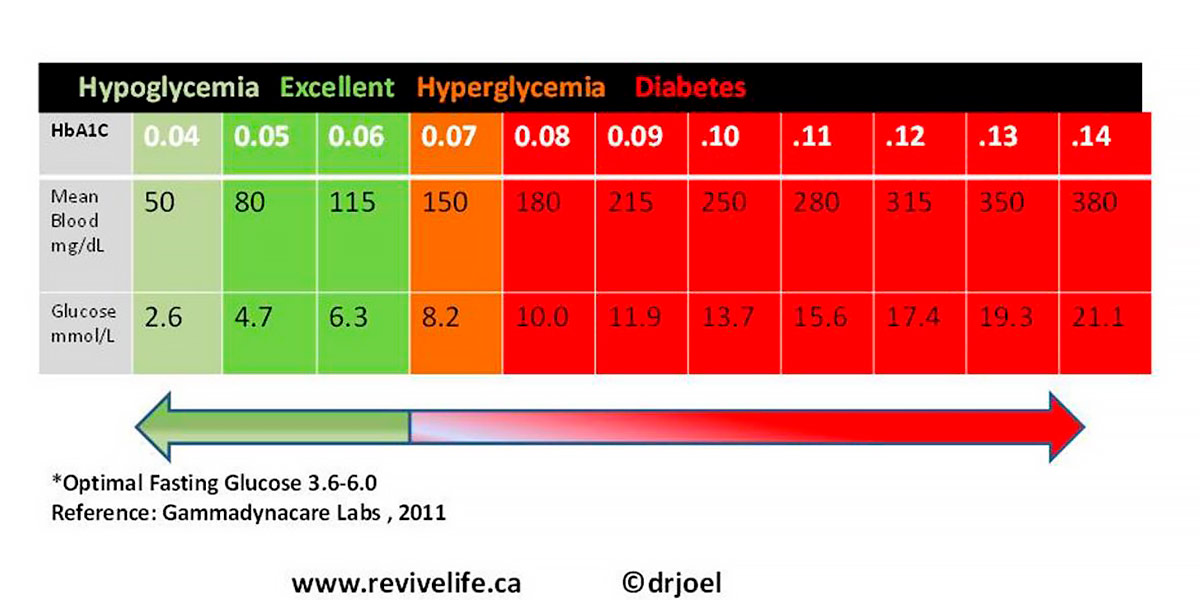
It’s important to keep glucose levels within the normal range.
Urea, kidney informer
The Urea is one of the key values to pay attention to in blood analysis.
This results from the breakdown of the proteins taken care of by the liver. It is filtered by the kidneys and eliminated through urine as a residue of the body.
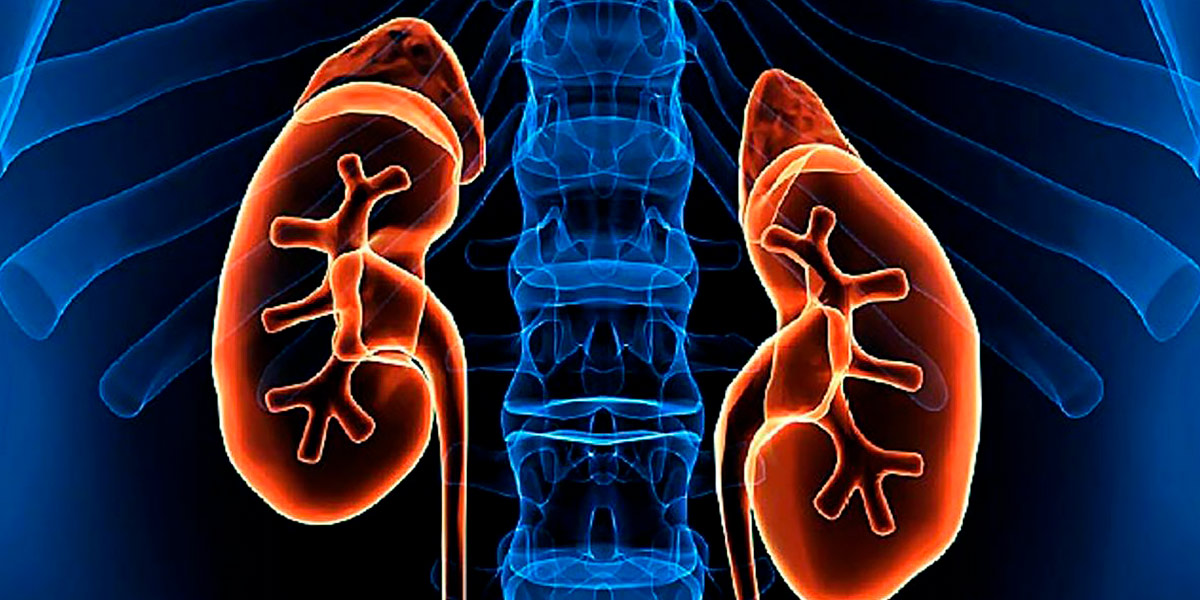
That’s why the quantity of urea in the blood can indicate whether or not the kidneys are functioning properly. Its value normally range between 17-49 mg/dl.
Creatinine
Related to this point is creatine, which is the compound generated from the breakdown of creatine.
It’s a waste product of muscle metabolism that is normally filtered by the kidneys and excreted in the urine.

Cholesterol and fat
Without a doubt, cholesterol is one of the most important substances to be analysed by the doctors.
It’s a fat substance found in many animal cell membranes and blood plasma.
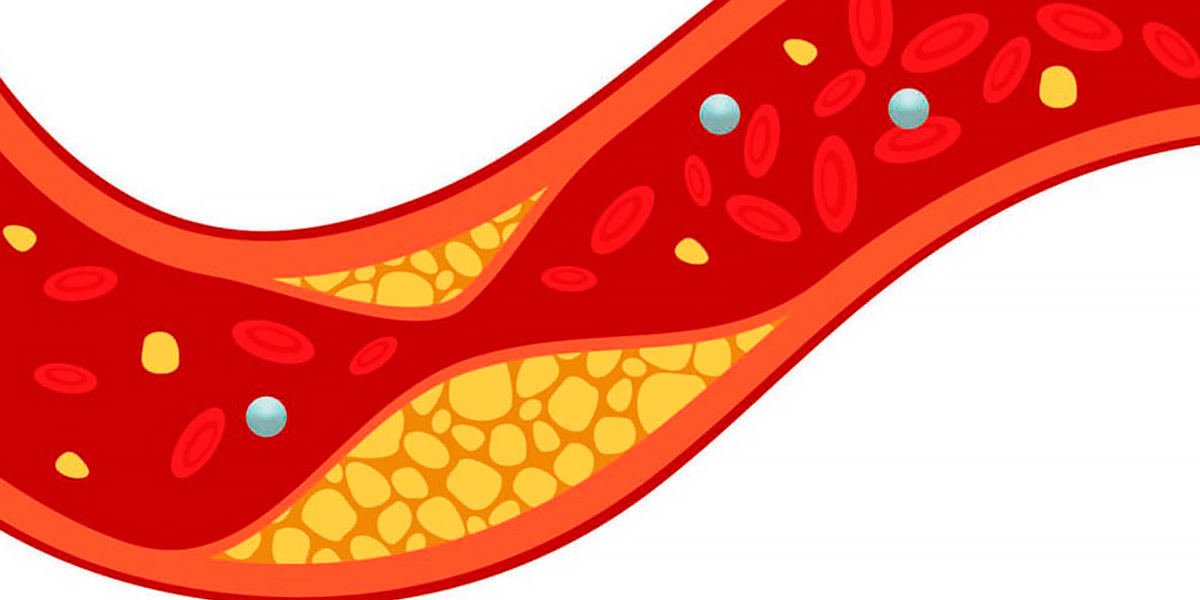
Because of this, it’s important check cholesterol levels frequently.
A blood test provides information on total cholesterol, LDL (“bad”) cholesterol, HDL (“good”) cholesterol and triglycerides (fats in the blood)..
- Cholesterol levels in the blood should ideally be less than 200 mg/dL.
- Anything over 200 to 239 mg/dL indicates a significant risk, although current scientific studies now accept these higher values as normal.
- 240 mg/dL and over is considered to be high blood cholesterol; that is, more than twice the desirable level.
Platelets
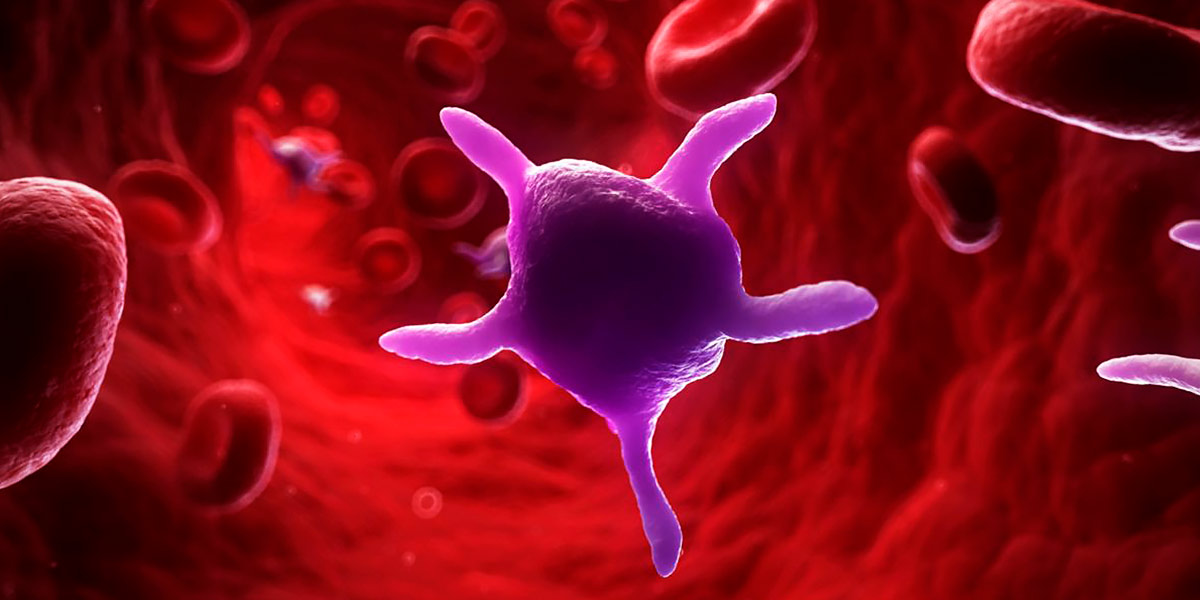
These are the element of the blood that measures the ability to clot properly.
Transaminases
These are enzymes found inside the cells of organs such as the liver, heart, kidneys or muscles, and which have important metabolic functions.
The most important are:
- Alanine aminotransferase (ALT or GPT); and
- Aspartate aminotransferase (AST or GOT) that are inside the cells of the liver (called hepatocytes).
Gamma glutamyl transferase, commonly called GGT, is also a transaminase found in liver cells that determines the state of health of the liver.

High Intensity Athlete.
Conclusions
Remember, as we mentioned at the beginning, that if an analysis is carried out in the hours after certain high-intensity training activities, analysis values may be altered, so it’s essential that the professional takes it into account and knows how to interpret your results correctly.
Bibliography
- Interpretación de exámenes de laboratorio.
- Renato Failace: “Hemograma: Manuela de interpretación” (2012) Editorial Panamericana
- Mónica Duarte Romero: “Hematología. Casos clínicos: preguntas y respuestas. (2011)
- Personal notes from Human Nutrition and Health degree
Related Entires
- If you’re an Athlete, this post about the Biomarkers for Health Monitoring parameters might interest you.
- How do you know if your Cholesterol is right? We tell you here.