Fitness, Nutrition, Health and Sports Blog In the HSNstore Blog you will find tips about Fitness, sport in general, nutrition, and health – HSNstore.com

Abdominal bloating is usually due to a build-up of gas somewhere in the digestive tract, causing the digestive tract to look slightly larger than normal. This may be accompanied by an uncomfortable feeling of “trapped air”, tightness, or mild pain after eating.
Causes of a bloated abdomen
Gas
Gas is a natural by-product of digestion but excessive intestinal gas means that digestion is incorrect. Although gas can be ingested by swallowing air or drinking carbonated beverages, most of it escapes by burping without reaching the intestines.
This intestinal gas is the result of bacterial fermentation of carbohydrates. Excessive fermentation occurs when insufficient carbohydrates are initially absorbed.
Food intolerances
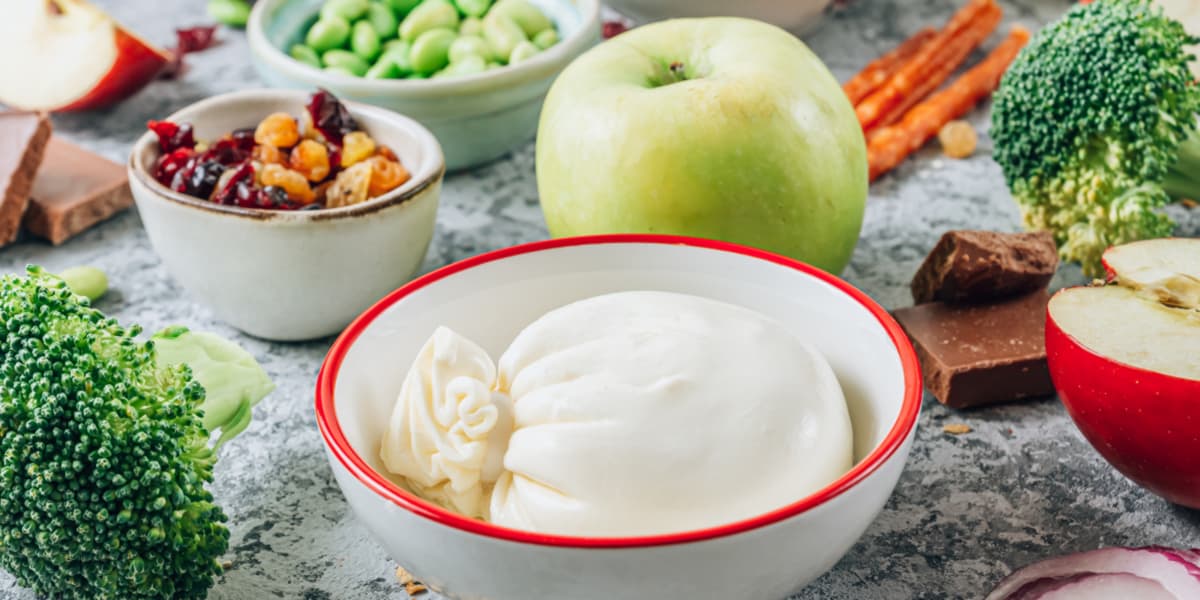
Food intolerances and allergies can lead to excessive gas production or to gas being trapped in the gastrointestinal tract, causing abdominal bloating.
This is because some foods contain specific carbohydrates called FODMAPs (fermentable oligosaccharides, disaccharides, monosaccharides and polyols), which when not fully absorbed by the body can cause bloating and gas.
Fluid retention
In fluid retention or oedema, it is usually temporary and mild (in some cases it is a symptom of a more serious problem, such as kidney failure).
Premenstrual Syndrome (PMS)
Bloating is considered a very common symptom of PMS, which can begin one to two weeks before menstruation starts.

Medical conditions
Bloating that comes and goes usually disappears quickly, but if this does not happen or worsens (other symptoms of serious illness, such as fever or vomiting), medical attention should be sought to rule out other causes.
Tips to prevent the symptoms of a bloated belly
- Taking care of your diet: Some dietary changes can prevent bloating. For example, it is important to consume enough fibre because although it may initially cause more gas, once it starts to travel through the digestive system, it will help to eliminate the fermenting faecal matter that is stuck there.
- Avoid processed foods: As they are low in nutrition, low in fibre, high in salt and fat. Salt causes fluid retention and fat slows down the digestive process because it takes longer to digest and can cause constipation and bloating.
- Engage in moderate physical exercise: Exercise helps prevent fluid retention and makes the bowels move more regularly, which can help release excess gas and faeces. For example, cycling or walking can quickly relieve gas pressure. When practising yoga, some postures position the abdominal muscles in a way that promotes the release of excess gas from the gastrointestinal tract and thus reduces bloating. Regular trunk-strengthening exercise can also help to combat abdominal bloating.
- Drink enough water: Staying well hydrated throughout the day will promote motility throughout the digestive tract, prevent fluid retention caused by dehydration, and prevent constipation (a common cause of bloating) by keeping digesting food from becoming too hard and compact to be expelled.
- Avoid carbonated drinks: The carbonation in these drinks comes from gas mixed with water, so when a carbonated drink is consumed, the gas builds up and can bloat the stomach.
- Reduce stress: Stress often precedes emotional turmoil, hindering digestion. Daily stressors affect gut function through the gut-brain axis, a communication link between the brain and the digestive system that controls gut function and emotional cognition in the brain. When stress or anxiety increases, the limbic system is activated, causing the adrenal glands to release cortisol. In turn, cortisol in the gut alters the microbiome (beneficial gut bacteria), causing bloating.
- Fatigue, fever, vomiting, bleeding, diarrhoea.
- Constipation.
- You get progressively worse or experience severe pain.
People who experience bloating after most meals should also consult a doctor.
Supplements to reduce abdominal bloating
Supplements can be tried to reduce stomach inflammation or prevent bloating.
- Ginger Extract: It aids digestion and helps process gas. Ginger can reduce fermentation, constipation and other causes of bloating and intestinal gas.
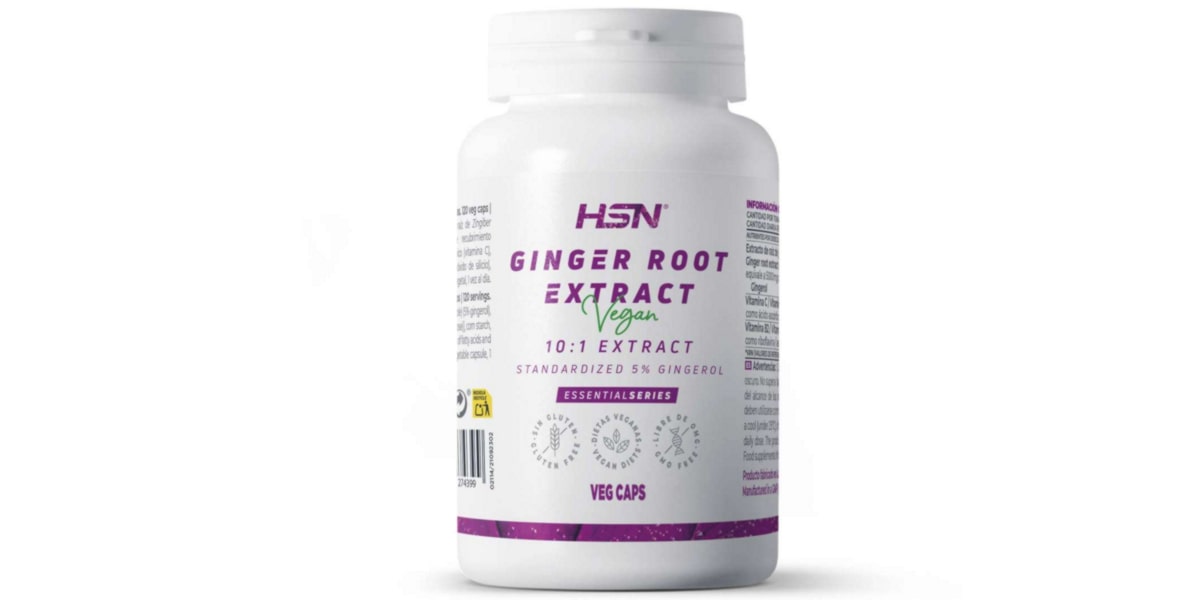
Ginger Extract by EssentialSeries
Peppermint Oil: These softgels are a natural antispasmodic. They help to relax the intestinal muscles, relieving stomach cramps, bloating and facilitating the expulsion of stool and gas.

Peppermint Oil Complex by EssentialSeries
Probiotics: They can help to supplement or rebalance gut bacteria. Some help digest food better, and others may help absorb excess gas.
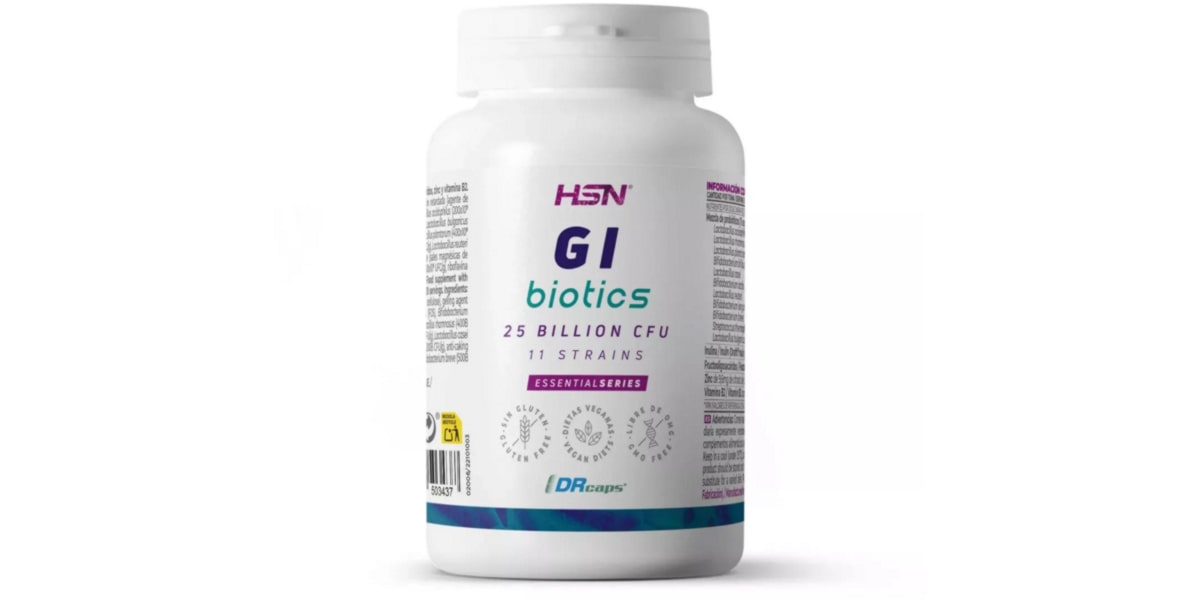
GI Biotics (Probiotics) by EssentialSeries
Activated charcoal: It is a product that has been used in traditional medicine to treat digestion problems such as abdominal bloating and excess gas, however, it is important to note that the scientific evidence on the efficacy of activated charcoal is limited and varied, while some people may experience temporary relief from their symptoms, others may not notice any significant benefit.
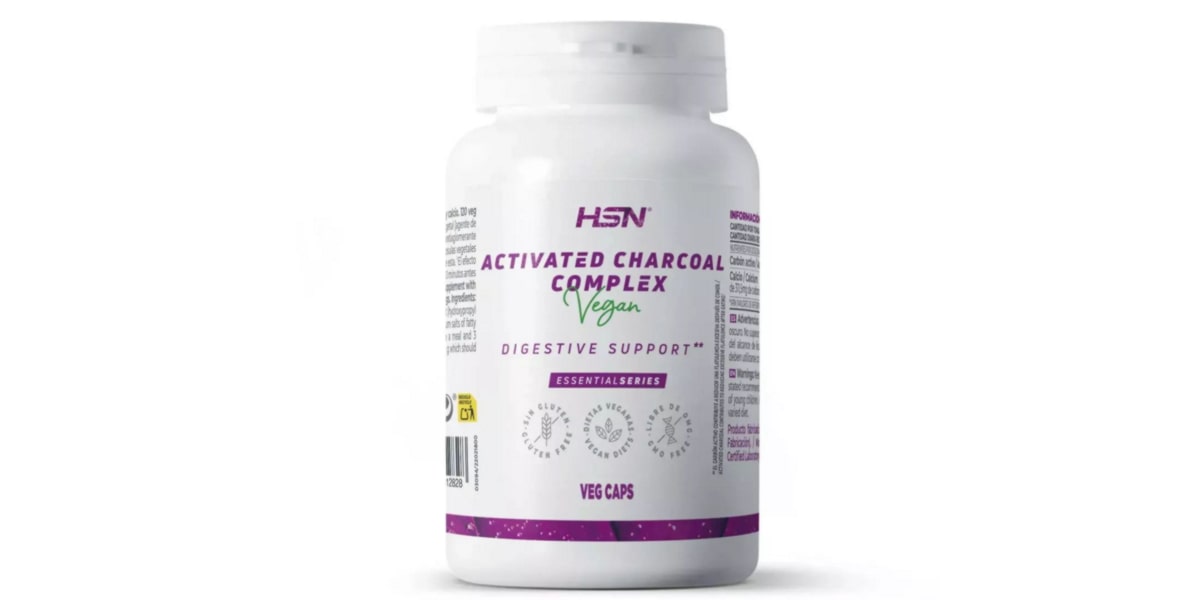
Activated Charcoal Complex by EssentialSeries
Related Entries
- What is the best fibre supplement?
- Lactose Intolerance: Improve it with Lactase Enzymes!
- What are Probiotics for?
- Horsetail, a natural diuretic