 Fitness, Nutrition, Health and Sports Blog In the HSNstore Blog you will find tips about Fitness, sport in general, nutrition, and health – HSNstore.com

Humans are made to move. If you love physical exercise, you’ll notice how after a session of working out, playing paddle tennis, or trekking in the mountains, you feel more vital and energetic, right?
It’s a fact, well studied and proven scientifically, that physical exercise brings about tremendous positive changes in our health and overall well-being.
Indeed, we increasingly see doctors, physical exercise professionals, and health experts labeling physical exercise as the polypill against all diseases.
What is it about exercise that feels so good?
Before delving into details, it’s important to know that movement in humans means life, and the more we move, the better we will feel both organically and mentally.
When we perform physical exercise, everything in our bodies, from the smallest cells to neurons, starts working together activating a plethora of mechanisms within our body:
- Neural mechanisms, with an increase in brain plasticity;
- Hormonal mechanisms, involving hormone secretion and regulation of the hormonal and endocrine systems;
- Increased blood circulation, which brings more oxygen to our cells for better functioning…
- Even the digestive system, and the well-known Gut-Brain axis get going.
What happens in the body when we exercise?
It’s logical to think that controlled and structured physical exercise will benefit our health in the most holistic way. We delve deep into the changes that occur in the body:
At a molecular level
The molecular mechanisms that result from the effects of exercise are not yet fully understood, although since the year 2000, it has been discovered that muscle contraction releases IL-6 (interleukin-6). Since then, the identification of a number of exercise-associated signaling molecules has increased.
Exerkines are signaling fragments released in response to acute and/or chronic physical exercise, and they exert their effects through endocrine, paracrine, and autocrine pathways.
Many organs, cells, and tissues release these exerkines: heart (cardiokines), muscle tissue (myokines), neurons (neurokines), among others.
These exerkines have potential benefits for cardiovascular, metabolic, immunological and neurological health.

By engaging in physical exercise, we promote cardiovascular activity, which means we enhance the transportation of oxygen to every single cell in the body to improve its functioning.
Tissues with a lower rate of cellular activity are more susceptible to damage from oxidative stress. Physical exercise delays the accumulation of reactive oxygen species thanks to the improvement of antioxidant mechanisms in the myocardium and also thanks to the generation of more mitochondria, which are the “power plants” of the cells.
- On the other hand, exercise favors the expression of a type of proteins that protects cardiomyocytes from ischemic damage, i.e., it helps to prevent heart diseases.
- With age and inactivity, there is an increase in cardiomyocyte cell death, and exercise has a protective effect against this, as it modulates genes related to this type of cell death.
At a hormonal level
The muscle is a powerful endocrine organ and, therefore, a regulator of the hormonal and endocrine system of our body. This endocrine system ensures the normal functioning of the homeostatic (balanced) function of the body.
The hormones and their responses to exercise help mediate the optimal adaptations of training:
- The muscle is the target of hormonal interactions, hence the importance of physical exercise. Hormones are deeply involved in the mechanisms of synthesis and degradation of proteins that are part of the adaptations of training.
- Physical exercise facilitates the production and secretion of certain hormones for the correct functioning of the hormonal system, thus playing a key role in all processes related to the endocrine system.
Hormones such as insulin, insulin-like growth factors (IGF), testosterone, and growth hormone contribute to the process of muscular adaptations from exercise, promoting muscle and tissue development.

Physical exercise reduces the secretion of stress hormones and regulates the secretion of cortisol, which is tremendously important for preventing diseases related to inflammation.
At a metabolic level
Exercise, at a metabolic level, reduces the concentration of triglycerides, cholesterol, and LDL (bad cholesterol), helps reduce and maintain a healthy body weight by increasing calorie consumption, normalizes glucose tolerance (sugar) and improves insulin function; and increases the ability to use fats as an energy source.
Blood circulation
Physical exercise enhances cardiovascular function and this means an improvement, not only in the oxygenation of muscle cells, but also in the vascularization network and capillary networks.
Likewise, there is an improvement in venous return; and better oxygen and nutrient supply to all tissues in addition to regulating blood pressure at rest.
At a psychological level
With all the above, physical exercise fosters neural connections (increases the “happiness hormones”), and this is what causes the sensation of well-being during and after sports practice.
Exercising stimulates the production of different chemicals in the brain responsible for well-being and mood.
Recommendations to increase your energy through exercise
Physical exercise should be a time to disconnect from daily responsibilities and a moment to connect with yourself in search of energy and well-being.
- Dedicate 5 minutes just after waking up to some kind of dynamic stretching, mobility to start the day regulating your cortisol preventing it from spiking, and feeling that you move better.
- If you can perform your workout in the morning, it will help you face the rest of the day with more energy due to all the actions that are triggered that we have seen.
- To enhance the positive and beneficial effects of exercise, try to do it outdoors, during daylight hours (to benefit from vitamin D), and in contact with nature.
- Remember that, a good workout leaves you feeling better than when you started: even if you feel lazy, don’t stop doing it and think about the reward of feeling great afterwards.
- Introduce high-intensity exercises or sessions as well and set small challenges to maintain motivation: this in addition to being committed will make you see better results, and therefore, you will feel better about yourself.
- Besides exercise, a good nutrition throughout the day to boost energy levels and avoid high glucose peaks that alter your mood.
Dietary supplements that provide an extra dose of energy
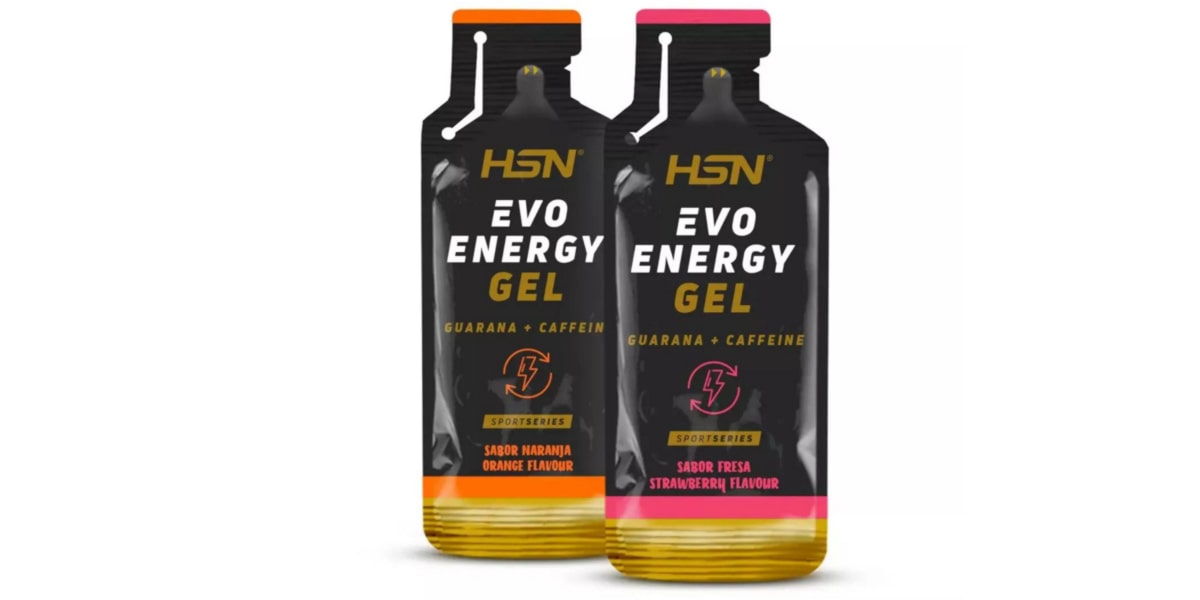
To avoid any “energy dips” during your workouts, we suggest using these products:
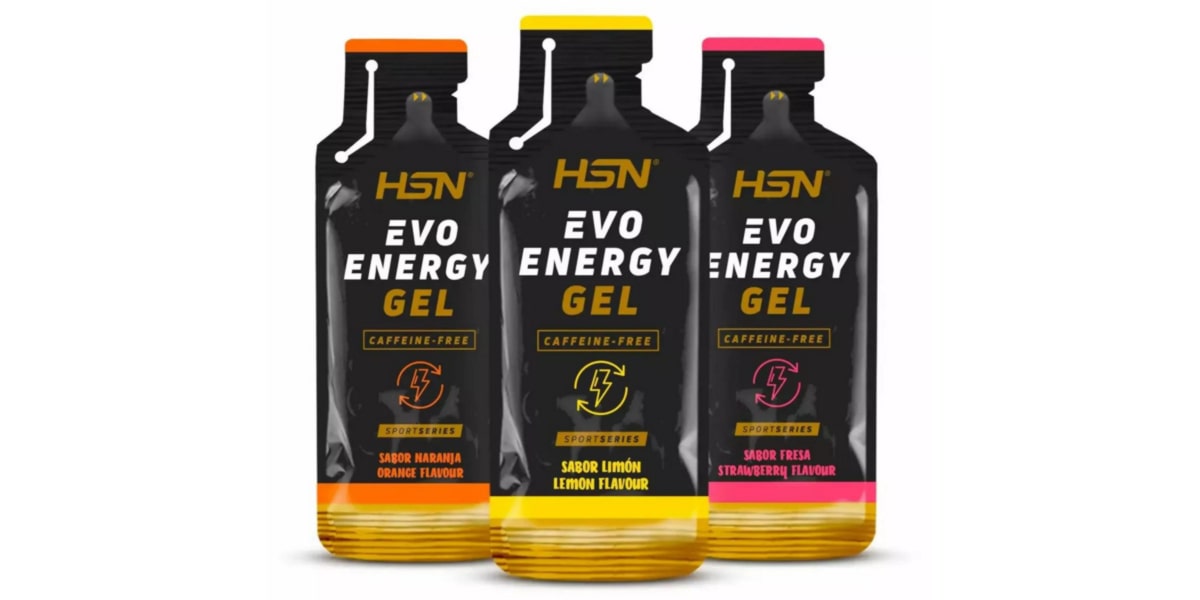
Evoenergy Gel Without Caffeine
References
- Chow LS, Gerszten RE, Taylor JM, et al. Exerkines in health, resilience and disease. Nat Rev Endocrinol. 2022 Mar 18
- Gregory Hall G, Travis Tripplet N, Principles of Strength Training and Conditioning, chapter 4, Paidotribo, 2018
Related Posts
- 12 Health Benefits of Playing Sports
- Healthy Foods to Boost Your Energy
- How Playing Sports Improves Mood
- The Relationship Between Sports and Endorphins