Fitness, Nutrition, Health and Sports Blog In the HSNstore Blog you will find tips about Fitness, sport in general, nutrition, and health – HSNstore.com

Have you ever wondered how to take creatine, what your ideal daily dose is and how long you should take it for? HSN tells you all about optimal creatine dosage and duration, tailored to your individual needs and training goals.
- You can do a loading phase or start with a constant daily dose from the beginning.
- Differences in creatine intake between men and women are not significant, so both genders can take the same dose.
- If daily dosing is chosen, there is no need to take breaks.
What is the recommended daily dose of creatine?
How much creatine to take per product type
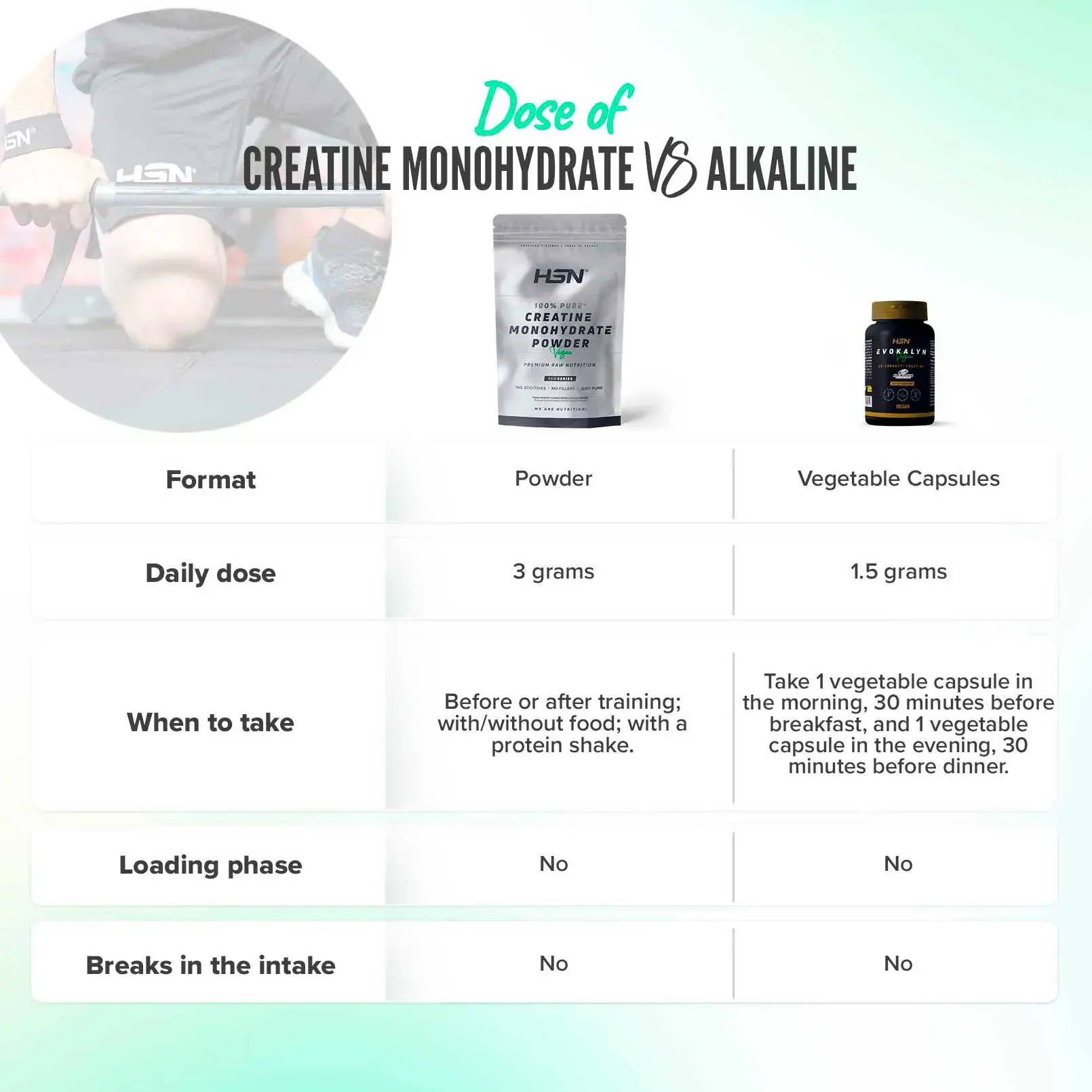
- Creatine Monohydrate: The standard dose is 3.5 grams per day (3 grams of creatine base). No loading phase is required (optional if competition is your goal) and you can take this dosage from day one.
- Creatine Creapure: It is exactly identical to creatine monohydrate but under the Creapure:registered: patent. The same dosage as monohydrate should be followed.
- Creatine alkaline (Kre-Alkalyn): This type of creatine is designed for more efficient absorption, so the dosage is usually lower. It is recommended between 1.5 grams per day, no loading phase is required.
The recommended daily dose of creatine is 3 grams.
How much creatine to take per kilo of body weight?
If you are a competitor looking for a strategy to maximise the benefits of creatine supplementation for your next event, you can do the creatine loading phase.
Creatine loading phase: for 5-7 days you should take a total of 20-25 g/day in a fractional manner.
According to your gender
Both men and women can follow the same dosage guidelines.
How long should I take creatine?
The duration of creatine supplementation at the indicated daily dosage can be maintained without the need for break cycles.
If you opt for the loading phase, rest periods are necessary: they allow the creatine reserves in the muscles to remain high.
Long-term effects of creatine supplementation
In general, creatine is considered a safe supplement when consumed within recommended doses. Some studies have explored the long-term effects of creatine supplementation on the body, concluding that there are no serious adverse effects on the body.
Where can I get quality creatine supplements?
HSN is the sports nutrition website for athletes looking for quality creatine supplements. Our products are specially formulated for high intensity exercise with certified quality ingredients.
- Creatine monohydrate powder: created by combining the amino acids arginine, methionine and glycine. Its effect concerns the increase of strength, performance and muscle mass. Easy to mix and fast absorption.
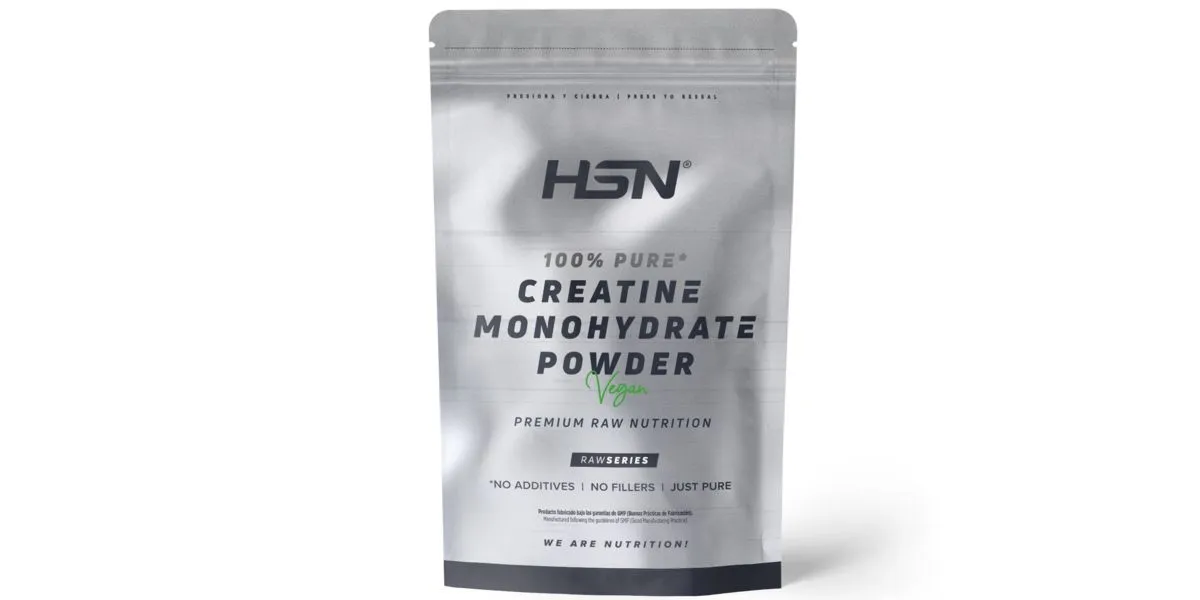
Buy this creatine product in our online shop.
- Creatine Creapure®: a creatine free of impurities and contaminants, which means better results and less chance of side effects.
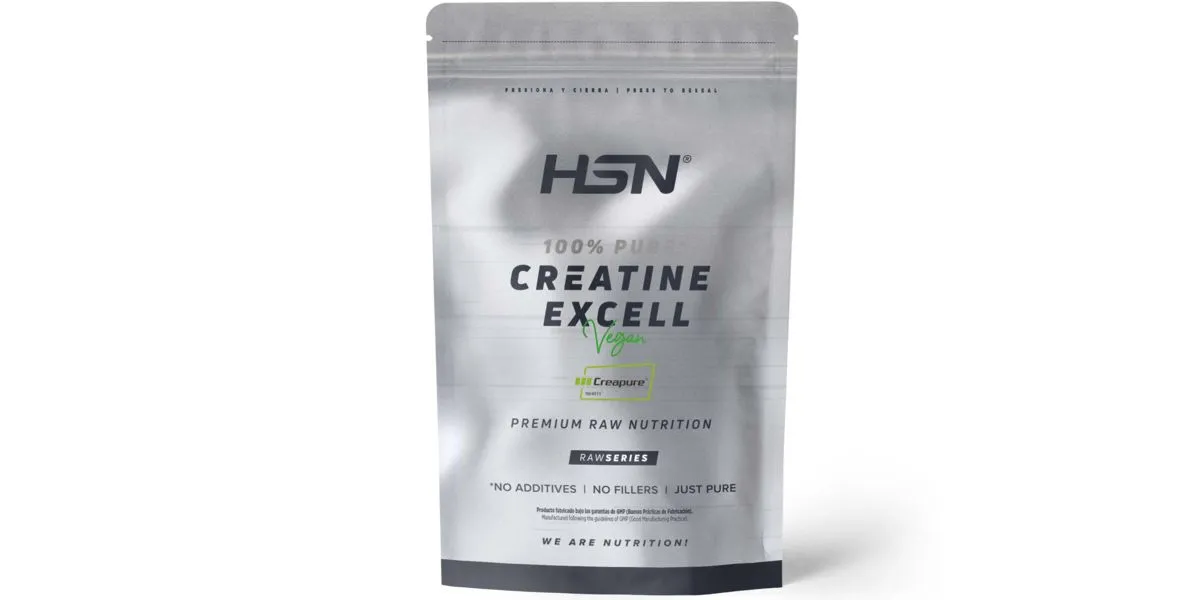
Creatine with Creapure seal for sale at HSNstore.
- Alkaline creatine: the benefits of Kre-Alkalyn® include improved absorption and use, while reducing fluid retention and stomach upset associated with other forms of creatine.
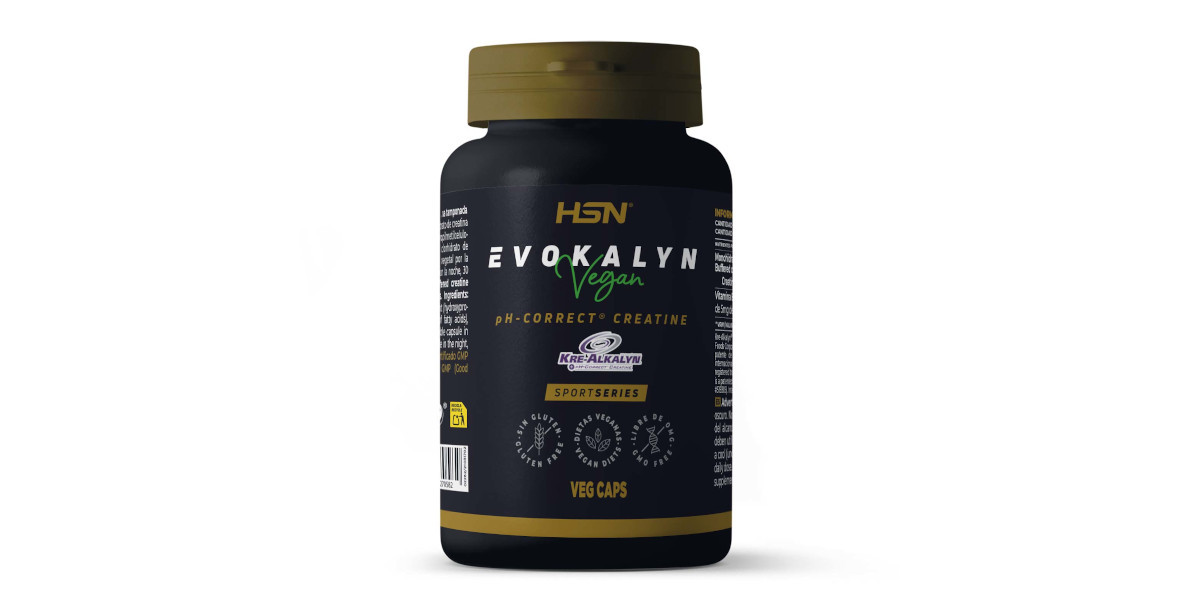
Type of alkaline creatine for sale on our website.
Bibliographic sources
- Buford, T. W., Kreider, R. B., Stout, J. R., Greenwood, M., Campbell, B., Spano, M., … & Antonio, J. (2007). International Society of Sports Nutrition position stand: creatine supplementation and exercise. Journal of the International Society of Sports Nutrition, 4(1), 6. https://jissn.biomedcentral.com/articles/10.1186/1550-2783-4-6
- Kreider, R. B. (2003). Effects of creatine supplementation on performance and training adaptations. Molecular and cellular biochemistry, 244(1), 89-94. https://link.springer.com/article/10.1023/A:1022465203458
- Hultman, E., Söderlund, K., Timmons, J. A., Cederblad, G., & Greenhaff, P. L. (1996). Muscle creatine loading in men. Journal of Applied Physiology, 81(1), 232-237. https://journals.physiology.org/doi/full/10.1152/jappl.1996.81.1.232
- Persky, A. M., & Brazeau, G. A. (2001). Clinical pharmacology of the dietary supplement creatine monohydrate. Pharmacological Reviews, 53(2), 161-176. https://pharmrev.aspetjournals.org/content/53/2/161.long
- Cooper, R., Naclerio, F., Allgrove, J., & Jimenez, A. (2012). Creatine supplementation with specific view to exercise/sports performance: an update. Journal of the International Society of Sports Nutrition, 9(1), 33. https://jissn.biomedcentral.com/articles/10.1186/1550-2783-9-33