Fitness, Nutrition, Health and Sports Blog In the HSNstore Blog you will find tips about Fitness, sport in general, nutrition, and health – HSNstore.com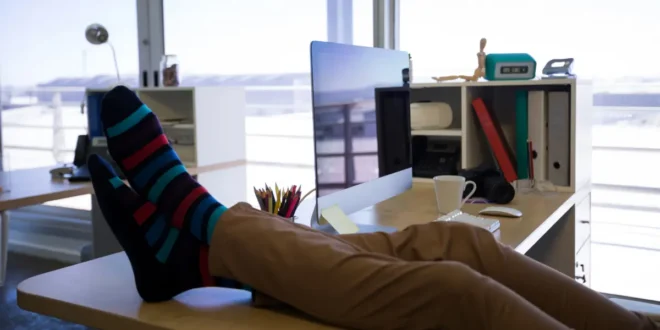

Changing habits is a challenge that often meets resistance. Whether we aim to build new habits or eliminate those that do not benefit us, one of the biggest obstacles we face is procrastination.
- This habit of postponing what we know benefits us in favour of easier or more pleasurable activities is something we all experience at some point.
After reading this post, you will fully understand what procrastination is, why it occurs, and what we can do to minimise it.
Tips and tricks to avoid procrastination in sport
- Choose your “facilitators” wisely: Get ahead of yourself by preparing everything you need for your training, such as laying out your sportswear in advance, which will make it easier to stick to your goals.
- Focus on the goal and imagine future pleasure: Visualise the well-being you will feel after completing the activity you are avoiding, such as the relief after a successful workout.
- Remember: you have done it before: Procrastination always comes back, but you have beaten it before, so you can do it again.
- Act despite your feelings: Discipline means doing what is right even when you do not feel motivated. It is the result of consistent repetition.
- Do not forget the basics: Getting enough sleep, avoiding overtraining and taking care of your health are key to avoiding procrastination.
- Focus on the micro: Instead of focusing on big goals, concentrate on small immediate steps, such as starting with the first set at the gym.
- Avoid temptations: If you tend to get distracted by your phone or social media, keep it out of reach or use blockers to stay focused.
- 5, 4, 3, 2, 1: Apply Mel Robbins’ rule and count down to create urgency and take action before excuses stop you.
Why do we fall into procrastination?
There are many theories about why we procrastinate. The most widespread describes the phenomenon as a coping mechanism.
Emotions
In this sense, procrastination is a way of dealing with difficult emotions triggered by a certain activity (in the case of today’s post: physical training). These emotions vary widely: boredom, anxiety, frustration or insecurity, to name a few. Also physical pain.
In other words, procrastinating is a way of avoiding an imminent discomfort, disguised by clever mental justifications that we eventually come to believe.
In this sense, procrastination is a problem of emotional regulation, not productivity, as we are often led to believe.
Organic factors
Of course, some personality traits are predictors of procrastination and make us more prone to it. The most evident are self-control and impulsivity.
Continuing with “organic” factors, there are interindividual differences in the metabolism of brain regions involved in decision-making that may make us more prone to procrastination: the parahippocampal cortex and the prefrontal cortex.
Contextual factors
Finally, there are contextual factors that affect us all equally. Temporal motivation theory explains why (all of us, without exception) are more motivated to do something the closer we are to its deadline.
This is why there are so many students on the night before an exam in libraries all over the world.
- It is not about “I did not have enough time to study”.
- It is not about “you have to make the most of the last moment”.
No.
It is about “the motivation to study was not there before, but now that the exam is imminent it is present, so I will at least make use of the last few hours before the exam to do everything I can”.
Some ways of procrastinating
Procrastination has two ingredients that are most of the time present in the act of procrastinating.
Mental justification
The self-generated one, which “exonerates” us from feeling bad for not taking the course of action expected of us (or that we expect from ourselves). This mental justification is usually original and fits perfectly with our current situation.
You deserve that rest, you have been working hard for 5 days in a row.
That exam is not that important, take the opportunity to rest for a while.
I will get in shape in January, when I feel more motivated.
Temptation
The second ingredient is the element of pleasure.
It usually takes the form of a new Netflix series, or hours of scrolling through social media without a specific purpose (the new zapping). But it can also take the form of constant snacking on hyper-palatable products or, in the worst cases, the consumption of alcohol or other drugs.
The pattern is always the same: replacing discomfort with pleasure. And in this, we are all experts. We are wired for it.
Bibliography
- Shunmin Zhang, Peiwei Liu, Tingyong Feng. To do it now or later: The cognitive mechanisms and neural substrates underlying procrastination.
- Xiaoyu Li, Orfeu M Buxton, Yongjoo Kim, Sebastien Haneuse, Ichiro Kawachi. Do procrastinators get worse sleep? Cross-sectional study of US adolescents and young adults.
Related Posts
- Avoid these habits that age you
- Do you know why most people do not exercise?
- 11 tips to have more energy during the day
- Learn to eat better with HSN