 Fitness, Nutrition, Health and Sports Blog In the HSNstore Blog you will find tips about Fitness, sport in general, nutrition, and health – HSNstore.com


Getting enough zinc in your body is something that matters whether you’re an athlete or just care about staying healthy. To make it happen, nothing beats checking out the foods rich in zinc, the mineral. Keep reading and make sure they don’t miss from your shopping list because, luckily, you can get this mineral from many products available on the market.
1. Oysters
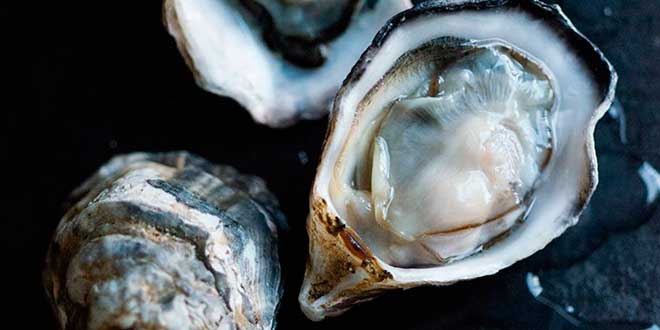
When you put this marine delicacy on your table, highly valued for its aphrodisiac effects, you’re also placing one of the richest food sources of zinc, since it provides 16 mg per 100 g of product, a figure that comfortably exceeds the daily recommended amount.
That alone makes oysters a great choice, but what if we told you they’re also packed with iron, selenium, vitamin B6 and B12, vitamin C, copper, and Omega3 fatty acids? We get that it might not be a common food in your diet, but it’s a perfect treat to indulge in every now and then.
2. Pumpkin Seeds
You’ve probably noticed before that this food, surprisingly to many, tops many must-have lists for your body. Perfect for complementing vegan and vegetarian diets, it also fits well in other diets thanks to its high nutritional value.
3. Cashews

And if healthy snacks are your thing, cashews are another must-have on this list of nutrient-rich foods, offering a more than considerable nutritional boost. Get almost 6 mg of zinc per 100 g of product while enjoying the taste. Since that’s more than half the daily amount your body needs, you know why cashews deserve a spot in your diet.
Plus, this nut packs more benefits, as it’s rich in monounsaturated fats, which are great for keeping your cardiovascular health in top shape.
4. Beans
In the irreplaceable legume category, beans provide 4 mg of zinc per 100 g of product. In fact, they boast one of the best nutrient profiles. There are several types, all sharing a common trait: they’re rich in antioxidants, fiber, plant protein, and low glycemic index carbs.
Eating foods from this group at least 3-4 times a week will do you a world of good.
5. Beef
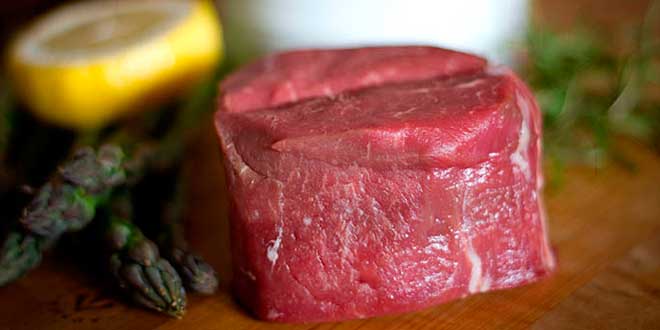
Beef is a highly nutritious source that delivers a high concentration of micronutrients, plus its high-quality proteins. To get the most out of it, always go for grass-fed beef when you can.
6. Chickpeas
When it comes to enjoying a good serving of chickpeas, another excellent legume you shouldn’t skip, you don’t have to stick to traditional stews or casseroles. Their many culinary uses also make them perfect for delicious salads, of which there are countless varieties, or the irresistible hummus.
Eat them however you like and you’ll get almost 3,5 mg of zinc per 100 g of product, while also enjoying a food rich in iron, potassium, and fiber. And don’t forget, it’s an unmatched source of plant protein.
7. Prawns
The next seafood delicacy is also a solid zinc source, providing more than 3 mg per 100 g of product. Treat yourself while getting a pure health boost, as the same amount gives you almost 20 g of protein.
If that’s not enough, their varied nutritional profile also stands out for selenium, phosphorus, iodine, copper, vitamin B12, and choline. That explains why prawns are great for keeping your immune system in top shape and thyroid function in check.
8. Quinoa
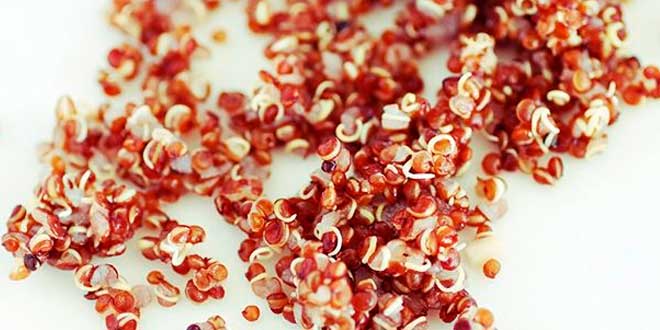
Quinoa’s versatility lets you cook it many ways and include it in tons of recipes, both traditional and modern. High in fiber, magnesium, B-complex vitamins, calcium, iron, potassium, phosphorus, vitamin E, and antioxidants, it also provides proteins with all essential amino acids and low glycemic index carbs. Have it as a snack before a workout and you’ll see why it has a fan club!
9. Egg Yolk
Don’t underestimate the nutritional power of egg yolk since it alone holds most of the nutrients found in the whole egg. This is backed by the fact it provides 2,3 mg of zinc per 100 g.
Do you like oat pancakes? If so, you’ll want to know that’s one recipe where the yolk is used and the white discarded. Still, we recommend eating the whole egg to get 100% of the nutritional benefits, and remember that the myth about eggs raising cholesterol has already been busted.

10. Turkey
The last spot in our ranking of foods with the highest zinc concentration goes to turkey meat, high in protein and rich in amino acids. It’s no coincidence that this makes it one of the foods closely linked to maintaining and building muscle mass. Its zinc content is about 2 mg per 100 g of product, a bit less than the others on this list, but still nothing to sneeze at.
Knowing you need this mineral, putting zinc-rich foods on your table is an easy way to get it. Grab a pen and paper so they don’t miss from your next shopping list!
Keep reading on the topic, because we’ve got more info:
- Do you know the link between this trace element and testosterone? Click and read
- Low levels? Learn how to fight it with supplements, here
References:
Related Posts