 Fitness, Nutrition, Health and Sports Blog In the HSNstore Blog you will find tips about Fitness, sport in general, nutrition, and health – HSNstore.com

CrossFit and Functional Training are currently two very popular types of workouts that have made their way into many gyms.
More and more people, feeling capable and confident thanks to good physical condition developed in a short time, dare to try these types of workouts, sometimes making them the main pillars of their routine.
Although these two practices are often confused due to their similarities, they have differences that define and separate them. Given these similarities, several questions may arise: what’s best for our body? what’s really the goal of our training? how much effort can we handle?
The most important thing to highlight and understand what each practice can offer lies in the level of demand, the discipline and control applied in each session, and the philosophy behind each one.
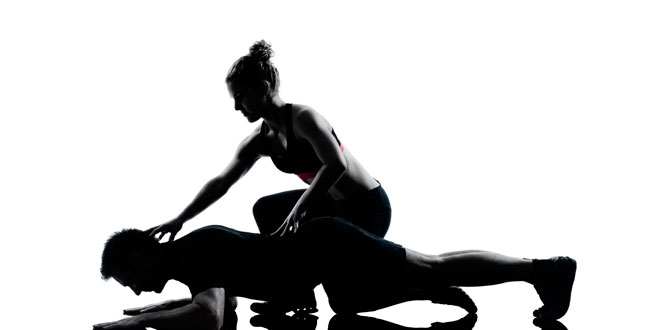
What do we call Functional Training?
You could say functional training has a more traditional methodology and can adapt to any sport. It involves working different body parts, doing exercises that focus on and adapt movement patterns that can later be applied in competitions or simply equip and strengthen the body to compete.
For example, learning how to do bench press and push-ups to know how to react to an obstacle like having to jump a fence
This type of training is often used in sports like swimming, football, tennis, and many other individual athletics-related practices. If done correctly and with a good coach, it can be highly recommended since it primarily works with the athlete’s own body weight and helps strengthen muscles and prevent injuries.
What is CrossFit?
CrossFit, like other popular gym workouts, is a regulated training that requires specific licenses to legally use the name and to officially teach classes. This can be a downside if exercises are followed to the letter without the individual fully mastering them, and if the coach isn’t fully committed, it can become a big problem.
Although the CrossFit methodology is based on functional and varied exercises, these are usually performed with higher intensity and demand. The training focuses on constantly beating challenges and pushing yourself. It requires exercise individualization and great precision in technique.
The tools generally used are weights, bands, plates, balls, boxes, bars, but applied in different routines with more intensity and effort.

Main differences between CrossFit and Functional Training
- CrossFit is more competition-oriented, aiming to beat specific challenges, while functional training can have many other goals and focuses more on developing skills to perform tests that follow similar patterns rather than just one type of movement-exercise.
- In functional training, intensity and weight are added as the athlete improves, without needing to use any weight at the start.
- Work and rest times are more flexible in functional training since they adapt to the group and the type of exercises performed.
- Anyone can do functional training by adapting exercises to their ability, while CrossFit is less flexible, though scalable according to the person’s level.
What are the best conditions to do CrossFit?
While functional training can be practiced by both kids and older adults, CrossFit is more recommended for people who already have control and more trained physical skills or some prior exercise experience.
If someone with little experience wants to start CrossFit, they should at least be able to perform some exercises without much effort, and for a minimum amount of time.
Crowded gyms and lack of personalized training often lead CrossFit athletes to suffer injuries in shoulders, knees, or lower back. This mainly happens because CrossFit exercises require excellent technique and strict knowledge of how to perform all exercises.

Ideal conditions for this type of training
- Awareness and knowledge of your own limits
- Small groups with expert professionals in charge of routines
- Individualized training
- Gradual increase in intensity based on results
- Adequate and sufficient warm-up
- Excellent exercise technique
- Prior adaptation
- Discipline
- Proper hydration
- Medical check-ups beforehand to tailor training to your body
The key to choosing the right training depends on each athlete’s needs and goals, as well as their physical condition. Individualization is essential, knowing the technique and gradually increasing intensity and weight are pillars in every training program.
Sports should enhance each athlete’s abilities and not let the body get injured