 Fitness, Nutrition, Health and Sports Blog In the HSNstore Blog you will find tips about Fitness, sport in general, nutrition, and health – HSNstore.com
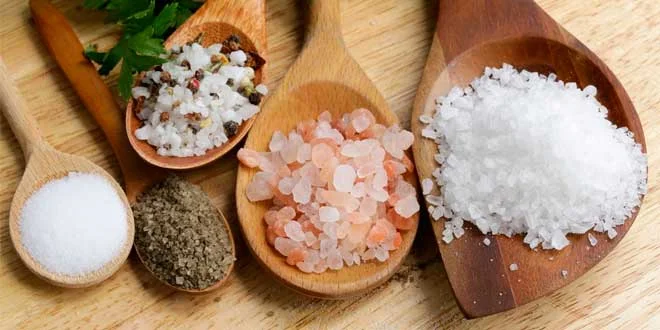

Getting your body into an optimal state of health means keeping the balance of certain Essential Elements, like Mineral Salts, which are crucial for the proper functioning of countless biological processes
What are Mineral Salts?
Mineral Salts are a group of inorganic ionic molecules. In nature (soil, rocks, stones…) these elements aren’t found in their ionic form, meaning that to be absorbed and used by our body, they must be bound to an organic molecule like enzymes, proteins, or amino acids.

We get mineral salts from various foods that we need to include in our daily diet
Functions of Mineral Salts
Inside the body, they perform a series of functions, where even a slight deficiency can be critical, related to:
- Immune system
- Nervous system
- Bone system
- Muscle function
- Body pH control
- Energy production
Types of Mineral Salts
When classifying mineral salts, we mainly talk about two types:
- Macrominerals, which we need to consume in amounts over 100mg/day. This group includes: Sodium, Chloride, Potassium, Calcium, Phosphorus, Magnesium, and Sulfur.
- Microminerals, which we only need in trace amounts. Also known as Trace Elements, including: Zinc, Iron, Iodine, Selenium, Copper, Manganese, Fluoride, Chromium, and Molybdenum.

Fruits and vegetables are important sources of mineral salts, and they should be part of any diet
What are Mineral Salts good for?
| Mineral | Function | Deficiency |
| Sodium | Fluid regulation; Nerve transmission; Muscle contraction | Can cause fatigue |
| Chloride | Acid-base balance regulation; Stomach acid synthesis (hydrochloric acid) | Muscle weakness; loss of appetite; dehydration |
| Potassium | Nerve transmission; Muscle contractile function; Energy production | Edema, constant thirst, hypoglycemia, dry skin, general weakness |
| Calcium | Joint and bone health; Muscle relaxation and contraction; Nervous function; Blood clotting; Blood pressure regulation; Immune system support | Brittle hair and nails; Memory loss; Risk of osteoporosis; Muscle spasms and cramps |
| Phosphorus | Lecithin production; Neutralizes blood acidity; Energy production | Nervousness; Insomnia; Fatigue; Difficulty breathing; Skin numbness |
| Magnesium | Nervous function; Muscle function; Energy production; Bone and joint health | Muscle cramps; General fatigue; Anxiety; Irregular heart rhythm |
| Sulfur | Antioxidant; Detoxifier; Anti-inflammatory; Cardiovascular health; Skin health | Acne; Arthritis; Brittle nails and hair; Seizures; Intestinal problems |

Mineral salts perform essential functions in the human body
How do we lose Mineral Salts?
We need to pay special attention to factors that cause our body to lose mineral salts.
- Diuretics: some substances promote the movement and excretion of body fluids, like coffee.
- Exercise: doing sports or any physical activity is a great way to stay healthy. However, training at certain times of day or in extreme weather (very cold or very hot) speeds up mineral loss through excessive sweating.
- Alcohol, Carbonated Drinks, and Excess Sugar: cause rapid depletion and excretion of calcium, potassium, magnesium, and lead to bone demineralization.
- Excess Grain Foods: because phytic acid binds minerals and partially blocks their intestinal absorption.
- Illness: especially those affecting the digestive system, or during recovery from surgery. Also due to vomiting, diarrhea…
- Medications: many medicines (antacids, contraceptives, antibiotics…) can deplete mineral salt levels in the body. In some cases, they also prevent proper absorption from food.
- External factors: which affect us indirectly, with the main one today being soil quality, which is mineral-poor. The use of certain farming techniques, like fertilizers or pesticides, means foods don’t contain the ideal mineral concentrations they used to have. Similarly, the animals we eat are often not fed the best mineral-rich feed; and even for free-range animals, it’s unclear if the soil is mineral-rich. Modern era problems.
Why are Mineral Salts important?
These elements are needed in certain amounts to carry out vital functions, meaning they’re essential for our body, and therefore for life.
They must be supplied through our diet, as they’re constantly fluctuating in many reactions inside the body. So, our goal is to have a highly varied diet to have a wide range of sources providing these important elements.

A varied diet guarantees meeting our mineral requirements and needs
Foods Rich in Mineral Salts
Here’s a roundup of foods ranked by concentration of the main mineral salts. The percentage shown is relative to the NRV (Nutrient Reference Values established in Regulation (EU) 1169/2011 of 25 October 2011), sourced from http://nutritiondata.self.com.
Generally, the list falls into these food groups:
- Dairy
- Meats
- Fish
- Fruits and Vegetables
- Cereals and Legumes
That’s why a balanced diet can cover any nutritional deficiency.

Sources of Mineral Salts
Foods Rich in Sodium
| Food | Per 100g |
| Table salt | 38758mg |
| Pickles | 1200mg |
| Roquefort cheese | 1800mg |
| Olives | 1556mg |
| Bacon | 833mg |
Foods Rich in Potassium
| Food | Per 100g |
| Banana | 358mg (17,9%) |
| Apricots | 259mg (12,9%) |
| Potatoes | 421mg (21%) |
| Sunflower seeds | 645mg (32%) |
| Watercress | 330mg (16,5%) |
Foods Rich in Calcium
| Food | Per 100g |
| Kale | 135mg (17%) |
| Milk | 110mg (13,7%) |
| Egg | 58mg (7,25%) |
| Mozzarella cheese | 505mg (63%) |
| Sesame seeds | 975mg (122%) |
Foods Rich in Phosphorus
| Food | Per 100g |
| Turkey | 195mg (28%) |
| Chia seeds | 948mg (135%) |
| Salmon | 371mg (53%) |
| Gouda cheese | 546mg (78%) |
| Oat flakes | 523mg (74%) |
Foods Rich in Magnesium
| Food | Per 100g |
| Spinach | 79mg (21%) |
| Chard | 81mg (21,6%) |
| Almonds | 275mg (73%) |
| Pumpkin seeds | 535mg (142%) |
| Lentils | 122mg (32,5%) |
Related Posts
- Minerals and their Importance in the Diet
- Hydration and Sports
- Magnesium Salts
- Foods Rich in Antioxidants
- Foods Rich in Proteins
- Foods Rich in Carbohydrates
- Foods Rich in Amino Acids