Fitness, Nutrition, Health and Sports Blog In the HSNstore Blog you will find tips about Fitness, sport in general, nutrition, and health – HSNstore.com

Not long ago, a study was published tracking the preparation (6 months) and recovery (6 months) during a season of a natural bodybuilder (drug-free) aged 26. I’d like to share it with you.
Cardiovascular parameters, body composition, strength gains and losses, aerobic capacity, fatigue, mood, resting energy expenditure, hormonal status… were all evaluated.
During the prep period, the bodybuilder was guided by a personal trainer who monitored progress, planned workouts, and provided nutritional advice.
The bodybuilder supplemented only with creatine and protein powder, although the latter was included within the total daily calorie intake.
Diet
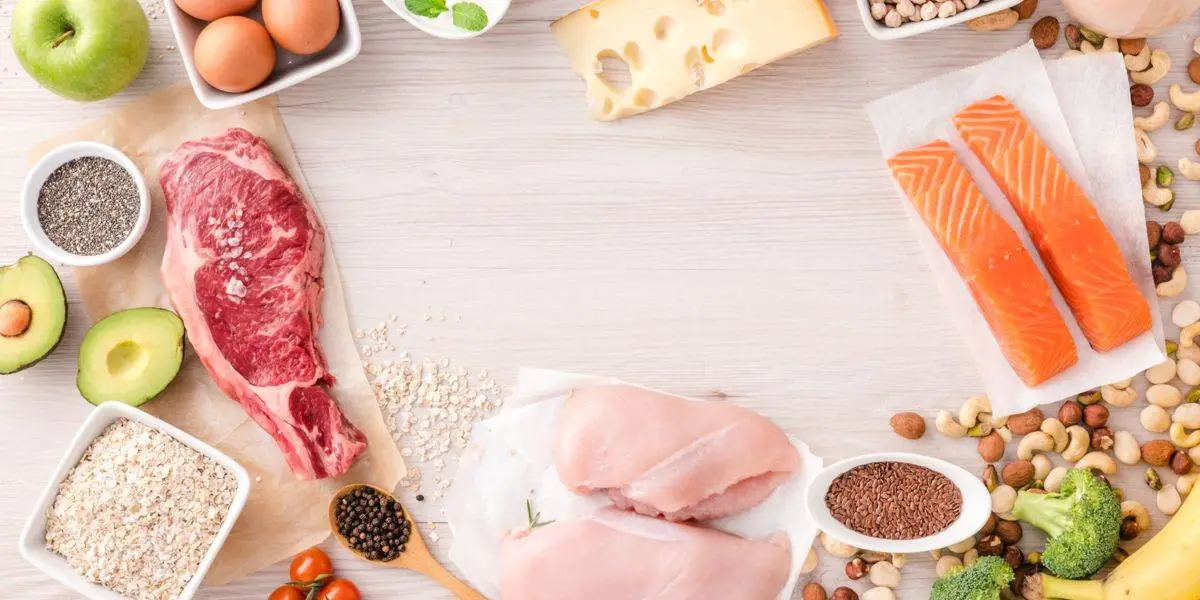
Throughout the study, the subject ate 5 meals a day (spaced 4 hours apart). During prep, pre- and post-workout meals together made up a total of 50% of the subject’s daily carbohydrate intake. This once again shows the importance of diet timing.
During prep, the macronutrient breakdown was:
- 5 days a week: 36% PRO + 36% CH + 28% FATS
- 2 days a week REFEED of CH: 30% PRO + 48% CH + 22% FATS.
During prep, total calorie intake didn’t change dramatically, though weekly reductions in CH and/or FATS were made for the cutting phase.
Right before the competition:
- 46% PRO + 29% CH + 25% FATS
During recovery, the diet was more flexible in terms of macros, but generally consisted of:
- 25-30% PRO + 35-40% CH + 30-35% FATS
Training
During prep, the subject did:
- 4 days of weight training (total 5h / week);
- 1 day of high-intensity interval training (total 40 min / week);
- 1 day of low-intensity aerobic training (30 min / week).
This training style allowed the athlete to train each muscle twice a week.
Right before the competition, training intensity was reduced and “posing routines” of 30-60 sec isometric contractions were added, in sessions lasting 15 to 30 minutes. These started 20-26 weeks before prep with one session per week, increasing to 3 or 4 times in the 6 weeks leading up to the competition.
In the 6 months after the competition:
- 4 days of weight training (total 5h / week);
- 1 day of high-intensity interval training (total 20 min / week)
Each muscle group was kept trained twice a week during this period.

Measurement results
- Weight varied from the initial 103 kg down to 89 kg at competition. After three months, 9 kg were regained (98 kg) and this weight was maintained until the 6 months the study lasted.
- Heart rate dropped from 53 to 27 beats/min during prep and rose to 46 beats/min 1 month after the competition.
- Blood pressure decreased from 132/69 to 104/56 mmHg during prep and returned to 116/64 mmHg 6 months post-competition.
- Body fat percentage dropped from 14.8% to 4.5% during prep and returned to 14.6% during recovery.
- Strength levels fell during the phase right before competition and didn’t fully recover during the 6 months of recovery.
- Testosterone dropped from 9.22 (prep) to 2.27 ng/ml (competition) and returned to baseline (9.91 ng/ml) after it.
- Regarding mood, stress (cortisol), aggression, and fatigue increased. Concentration ability and libido decreased. These measures were taken at the start of the program and at competition. Afterward, values didn’t return to initial levels during the 6 months of recovery.
Sources
- Rossow, L. M., Fukuda, D. H., Fahs, C. A., Loenneke, J. P., & Stout, J. R. (2013). Natural Bodybuilding Competition Preparation and Recovery: A 12-Month Case Study. International Journal Of Sports Physiology & Performance, 8(5), 582-592.
Related posts