Fitness, Nutrition, Health and Sports Blog In the HSNstore Blog you will find tips about Fitness, sport in general, nutrition, and health – HSNstore.com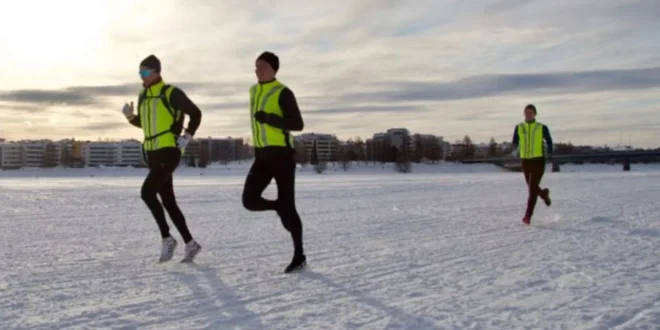

Physiological responses
When muscles get cold, they weaken and fatigue shows up sooner. Several authors have concluded that fiber recruitment, contraction speed, and power decrease. If the athlete is dressed warmly enough, weakness and fatigue won’t appear.
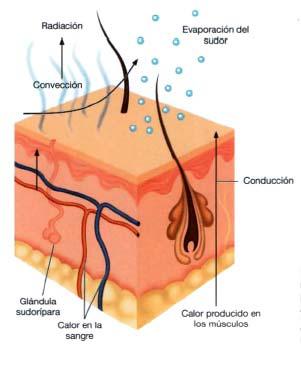
However, we shouldn’t overdress because if we bundle up too much, our body can heat up and start sweating. When sweat soaks through the clothes, evaporation cools us down quickly.
Metabolic responses
- During prolonged exercise in cold environments, when energy supply drops and exercise intensity declines, people become progressively more prone to hypothermia.
- Exercise triggers the release of catecholamines, which boost the mobilization and use of free fatty acids as fuel. But in cold environments, vasoconstriction limits blood flow to subcutaneous fat tissue, so this process slows down.
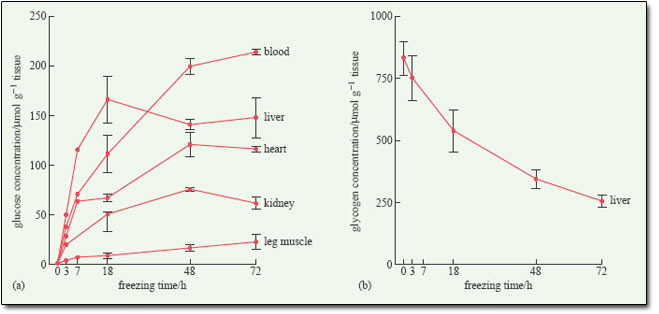
- Blood glucose plays an important role in cold tolerance and endurance during exercise. Hypoglycemia (low blood sugar) suppresses shivering and significantly lowers rectal temperature. The reasons for these changes are unknown. Luckily, blood glucose levels stay reasonably stable during cold exposure. Muscle glycogen, on the other hand, is used at a slightly higher rate in cold water than in warmer conditions.
Health risks in cold environments
- HYPOTHERMIA: the lethal lower limit of body temperature usually sits between 23 and 25 ºC, although there have been patients who recovered after having rectal temperatures below 18 ºC. Once body temperature drops below 29.5 ºC, the hypothalamus starts losing its ability to regulate body temperature. As a result, the cardiorespiratory system is affected.
- FROSTBITE (Skin: T<0ºC / Ears, nose, and fingers T<-29ºC): It’s a consequence of the body’s attempts to prevent heat loss. Vasoconstriction to the skin causes reduced blood flow, so the skin cools down quickly. This, along with lack of oxygen and nutrients, causes death of epithelial tissue.
Acclimation to cold environments
Some data shows that daily exposure to cold water increases subcutaneous body fat, alters peripheral blood flow and skin temperature, allowing greater cold tolerance.
Sources
- Extreme Cold: A Prevention Guide to Promote Your Personal Health and Safety, Centers for Disease Control and Prevention, http://www.bt.cdc.gov/disasters/winter/guide.asp . Last accessed 13-12-2013.
- Jack H. Wilmore, David L. Costill. (2007). Physiology of Sport and Exercise (3rd ed). Editorial Paidotribo. Barcelona.
- López Chicharro .J. (2008). Clinical Exercise Physiology. Ed. Médica Panamericana.
- Pinder, A. W., Storey, K. B. and Ultsch, G. R. (1992). Estivation and hibernation. In Environmental Physiology of the Amphibians (ed. M. E. Feder and W. W. Burggren), pp. 250-274. Chicago: The University of Chicago Press
Related posts
- Is the Wim Hof Method safe?