Fitness, Nutrition, Health and Sports Blog In the HSNstore Blog you will find tips about Fitness, sport in general, nutrition, and health – HSNstore.com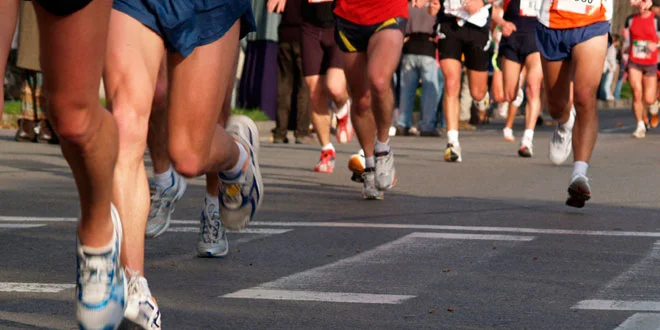

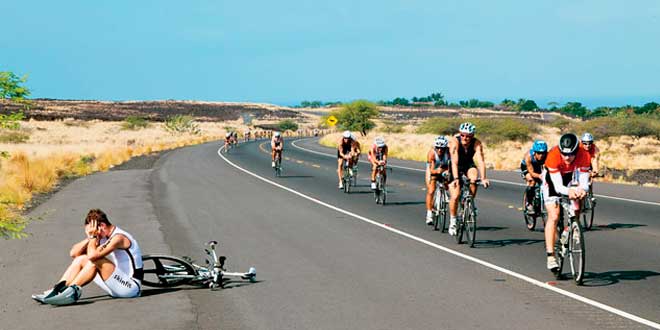
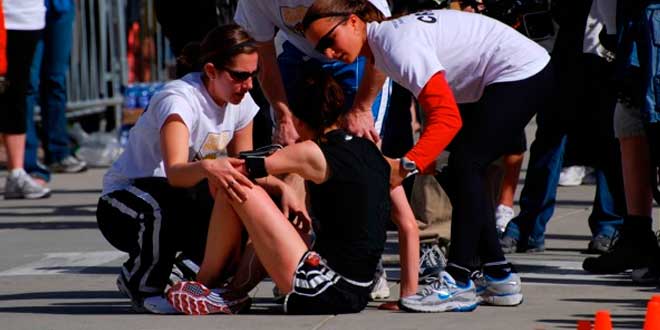
If you’re into long-distance competitions, chances are you’ve seen an athlete suddenly collapse for no apparent reason. Running or cycling, and then suddenly stopping dead in their tracks, lying on the ground… They might have hit “The Wall”. Let’s explain what this is and why this physiological phenomenon happens, which with proper sports planning and ideal nutrition can be eased.
Sports Bonk
The expression “hitting the wall” is commonly known as “bonking”, and it causes a near immediate drop in the athlete’s performance, to the point of almost having to stop. It’s a phrase often used in cycling, but it can happen in other sports too, especially those that demand great endurance from the athlete.

When you hit the wall, you’ll know it….
What Are the Symptoms of a “Bonk”?
Some symptoms an athlete might experience include:
- Weakness
- Fatigue
- Confusion
- Disorientation

In sports slang, it’s called “bonking”, and it can end your race…
Causes of the Dreaded “Bonk”
When doing long-duration exercise, the body will switch between substrates to get the glucose needed to keep muscles contracting. Glucose comes from several sources:
- Bloodstream, which will run out in a few minutes during high-level exercise
- Glycogen stored in muscles, which supports intense activity for about 90 minutes.
- The liver also releases glucose into the blood to meet demand.
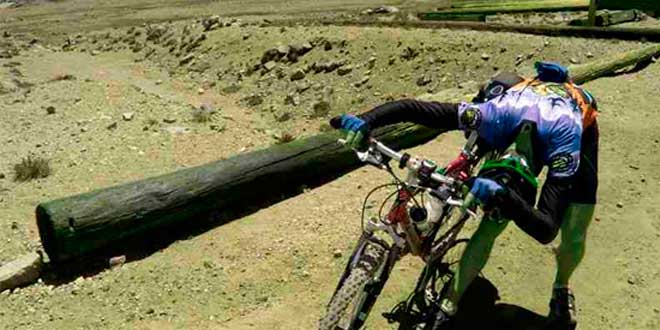
If you want to dig deeper into the exact cause, you’ll need to look into the energy pathways the body uses
How to Know You’re Approaching “The Wall”
Low blood glucose causes emotional and cognitive effects in addition to physical ones.
Glucose levels dropping
When these levels drop drastically, the first symptom will be trouble generating muscle contractions. You’ll feel slow, heavy, and weak. If you keep going, physical exercise will get harder, and you’ll experience muscle tremors, spasms, excessive sweating, and lack of coordination.
You might feel extremely hungry, or have no appetite at all…
Drop in sports performance
In this scenario, your body will protect the brain by “shutting down” your muscles. Soon, however, the brain and nervous system will be affected, and you’ll experience the mental and emotional symptoms of “the wall”:
- Dizziness
- Vertigo
- Tunnel vision
- Disorientation
Experiencing anxiety episodes
Some people report feeling anxiety, nervousness, even irritability and hostility. Some athletes feel an overwhelming sense of depression. Severe hypoglycemia cases have led athletes to seizures and even coma…
Who Can Suffer “The Wall”?
Any athlete, whether high-level or amateur, can experience this at some point in their sports life. It usually happens in sports demanding huge endurance, like triathlon.
Ironman
The toughest triathlon event, where many participants show symptoms described above, and some even worse, forcing them to quit. You could say they completely run out of energy…
Cycling and Marathon
But cycling is where most cases happen, because pedaling causes much less muscle damage than running, so athletes can “handle” high endurance and pain better, pushing limits further. Still, runners hit the wall in big races like marathons.
What to Do If You Experience a Sports Bonk?
As soon as you start noticing the signs above, especially if you’ve been active for a while, stop exercising! Quickly drink some fast-absorbing carbs. Among the best options are sports drinks, which have the ingredients needed for quick hydration.
How Can We Avoid the Bonk?
As explained before, no one is immune to this happening at some point, since it depends on many factors as complex as the human body itself, including physical condition, energy reserves, or even emotional state… To reduce the chances of this dreaded moment, you need proper sports and nutrition planning, plus gaining experience in smaller competitions before stepping up to big ones.

It’s important to know your body, how you react to different protocols, and of course, to “practice” them before the competition.
Recognizing Your Personal Symptoms
Blood glucose drop isn’t directly related to how far you’ve gone or how intense the exercise is. It depends on how well you’ve “loaded” your glycogen stores in the days before the event. Also, it depends on how efficient your body is at releasing glucose, plus other factors like environmental conditions, terrain…
Know your body
Some people recognize the wall symptoms when they feel their legs almost out of strength or unusually tired and heavy, more than what the event itself would cause. For others, symptoms may be more cognitive, like episodes of irritability or frustration, or even difficulty making decisions.
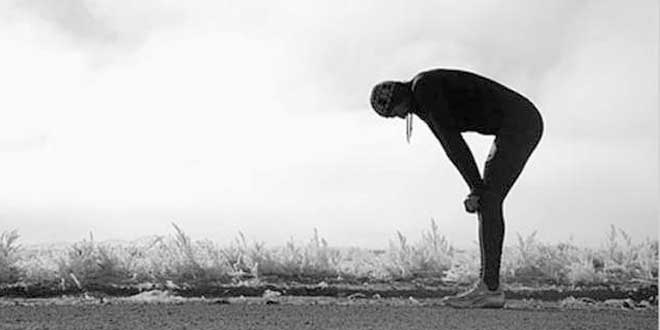
Training level and previous experience play a key role in knowing firsthand how your body will behave in these situations, and how to prevent them.
Related Posts
- What happens in our body in the initial moments of exercise?
- Effects of Lactate
- Getting started in Triathlon
- Why should we supplement when doing Triathlon?
- HSN Guide: Nutrition for Endurance Competition Day