Fitness, Nutrition, Health and Sports Blog In the HSNstore Blog you will find tips about Fitness, sport in general, nutrition, and health – HSNstore.com

Hair loss is a condition that affects people regardless of age, gender, or race. Everyone experiences some hair loss every day. In fact, it’s normal for men, women, and kids to lose 50 to 100 hairs a day.
However, some people experience hereditary hair loss or hormonal causes and lose hair at a faster rate. Hereditary or hormonal hair loss in both men and women is characterized by a progressive miniaturization of hair follicles, causing a shortening of the hair growth cycle. As the growth phase (anagen) shortens, hair becomes thinner and shorter, until there’s no growth at all.
Because hereditary hair loss is gradual, the earlier you start treatment, the better your chances of slowing down or stopping the hair loss process.
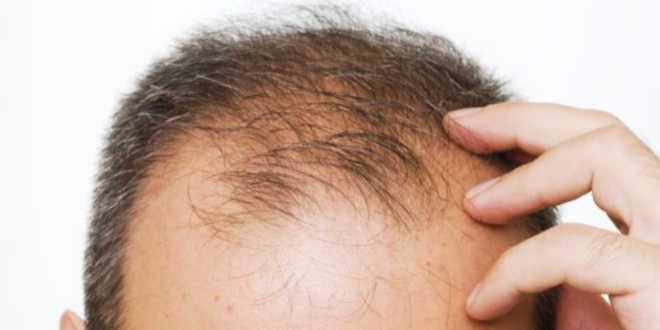
Hair loss in men
Men have a 50% chance of experiencing hair loss by their 50th birthday. However, many start losing hair from 25-30 years old.
Male pattern baldness is the most common type of progressive hair loss caused by hormones, genes, and age. Research shows the main cause is increased levels of DHT (dihydrotestosterone).
This form of testosterone perfectly fits a receptor site in the hair follicle, shortening its normal growth phase. In most men, hairs at the front of the scalp are more sensitive to DHT.
Hair loss in women
The effect of increased DHT levels in women is noticeably different from men. Women tend to suffer from overall hair thinning as they age.
This type of hair loss in women is called female pattern thinning.
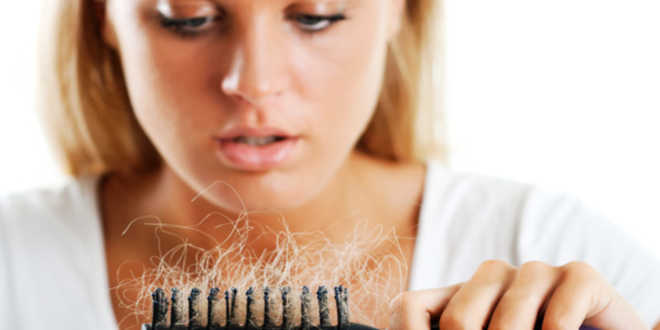
Women also suffer from hair loss, although not as prominently as men. The condition affects up to 25% of pre-menopausal women and about 40% of post-menopausal women.
While hair loss usually doesn’t affect the front of women’s heads like in men, thinning at the front and top of the scalp is typical and can be devastating for a woman’s self-esteem.
Other causes of hair loss
Here are some examples of temporary hair loss:
- Illness
- Poor nutrition
- Medications
- Medical treatments
- Pregnancy
- Aggressive hair treatments
- Scalp infection
- Stress
Related links on the topic: