 Fitness, Nutrition, Health and Sports Blog In the HSNstore Blog you will find tips about Fitness, sport in general, nutrition, and health – HSNstore.com

Millions of women are affected by premenstrual syndrome (PMS) during part or all of their reproductive years
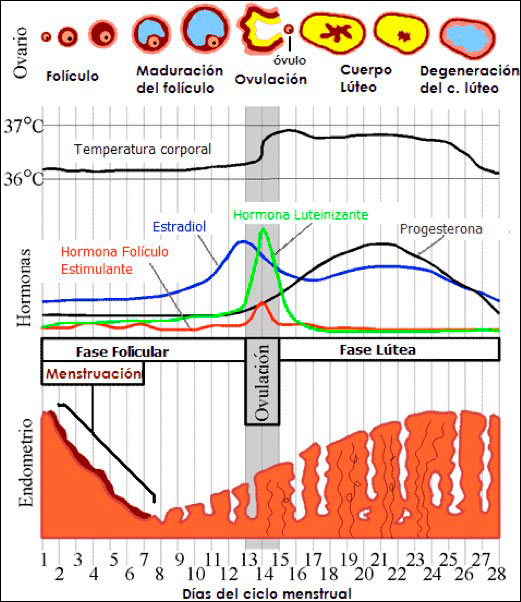
Premenstrual syndrome is characterized by a set of affective, somatic, and behavioral symptoms that repeat during the menstrual cycle starting about 10 days before menstruation (luteal phase), and tend to disappear with the onset of menstruation or shortly after.
Premenstrual syndrome can significantly interfere with the physiological, psychological, and social function of affected women, sometimes leading to a severe and predominantly psychological form of PMS: “premenstrual dysphoric disorder (PMDD)”. The American College of Obstetricians and Gynecologists states that 20–40% of all women experience PMS symptoms severe enough to affect their lifestyle or work, and that 3–8% meet the strict criteria for PMDD.
The wide range in prevalence is due to several methodological issues in research such as weak interventions or measurement methods, inappropriate statistical analyses, and lack of physical and/or anthropometric data.
Symptoms and timing patterns
Diagnosing premenstrual syndrome is tricky because it involves more than 200 possible symptoms, plus some of them aren’t exclusive to PMS. So, it’s important to distinguish PMS from concurrent medical or psychiatric disorders; that’s a job for the doc. Independently and personally, a woman can detect the absence of chronic psychiatric disorders when these don’t occur for at least a week mid-follicular phase of each menstrual cycle, but a monitoring period of two menstrual cycles under medical supervision can be used to confirm or rule out the diagnosis.
Various symptom timing patterns have been observed, though the most common (with great variability) is one where symptoms gradually increase in intensity throughout the luteal phase and end with the start of menstruation or even persist into the first days of the next cycle.
Among the 8 symptoms most reported by women are:
- Pain
- Reduced concentration
- Behavioral changes
- Autonomic reactions
- Water retention
- Negative affect
- Disturbance
- Motor dysfunction
These symptoms were already being evaluated back in 1931, when Dr. Frank RT described premenstrual syndrome as a unique disorder requiring therapeutic attention associated with “an indescribable feeling of tension 10 to 7 days before menstruation which, in most cases, continues until menstrual flow begins. Their personal suffering is intense and manifests in many reckless and sometimes blameworthy actions.”
This definition highlights both the severity of symptoms and the desperation of affected women in their quest for a cure or at least relief.
Therapies with limited effects
To date, tested methods include hormone therapy, yoga, vitamin and mineral supplements, psychological counseling, hypnosis, meditation, self-hypnosis, guided imagery treatment, phototherapy (sunlight exposure), and surgery. Unfortunately, these treatments have shown limited success in reducing symptoms:
- Evidence on the effectiveness of hormone treatment aimed at suppressing ovulation or reducing progesterone sensitivity has been mixed and burdened with unwanted consequences, such as masculinizing effects or side effects associated with menopause.
- pharmaceutical therapy, like antidepressants, shouldn’t be avoided when solidly indicated (considering patient history and personalizing). However, when drug side effects tip the risk-benefit balance against the patient, alternative methods (instead of or combined with medications) should be sought.
Exercise and PMS
There’s no doubt that improving physical fitness has psychological and physiological benefits.
Several hypotheses have been offered over the years to explain the positive relationship between exercise and mental health improvement. The distraction theory, the monoamine hypothesis (noradrenaline, serotonin, and gamma-aminobutyric acid are linked to depression), or the best-known, the endorphin hypothesis, which suggests exercise leads to a euphoric state after working out:
- Physical fitness is positively associated with mental health and well-being.
- Exercise is linked to reducing stress emotions such as anxiety.
- Anxiety and depression are common symptoms of untreated and unmanaged mental stress; exercise has been associated with decreased levels of mild to moderate depression and anxiety. Severe depression usually requires professional treatment that may include medication, electroconvulsive therapy, or psychotherapy, but exercise SHOULD be a complement.
- A proper and personalized exercise program including strength, aerobic, flexibility, coordination, and balance results in reduced stress markers like neuromuscular tension, resting heart rate, and some stress hormones (notably cortisol).
So, all evidence suggests exercise is effective in reducing or eliminating some premenstrual syndrome symptoms, especially physical and psychological ones. Since PMS prevalence is similar in less developed and Western countries, I believe prescribing sport is worthy of serious consideration by primary care professionals, obstetricians, and gynecologists, before or alongside medication prescription.
Exercise is medicine (#ExerciseIsMedicine by ACSM) and has the unique feature of being medicine that involves active adaptations (training our organic system) rather than just passive ones (medications).
Sources
- Aganoff JA, Boyle GJ. Aerobic exercise, mood states and menstrual cycle symptoms. J Psychosom Res 1994; 38:183-192.
- Al-Bibi KW. The effects of aerobic exercise on premenstrual syndrome symptoms. Ph.D. thesis. University of Connecticut. 1995.
- Al-Bibi KW. Women’s health. Aspetar Sports Medicine Journal 2015; 4(2), 374-377.
- De Souza MJ, Maresh CM, Maguire MS, Kraemer W, Flora-Ginter G, Goetz K. Menstrual status and plasma vasopressin, renin activity, and aldosterone exercise responses. J Appl Physiol 1989; 67:736-743.
- El-Lithy A, El-Mazny A, Sabbour A, El-Deeb A. Effect of aerobic exercise on premenstrual symptoms, haematological and hormonal parameters in young women. J Obstet Gynaecol 2015; 35:389-392.
Related Posts
- Tips to Relieve Menstrual Pain
- How Does Menstruation Affect Fat?