 Fitness, Nutrition, Health and Sports Blog In the HSNstore Blog you will find tips about Fitness, sport in general, nutrition, and health – HSNstore.com

Nutrition for middle-distance runners for maximum benefit. We tell you everything you need to optimise nutritionally
Middle-distance runners are the most diverse athletes in the field of athletics when it comes to using a large number of energy systems to supply ATP to meet energy demands.
Middle-distance athletes
Highly trained athletes can reach 20 times the resting VO2 values, and in a 1500m race athletes work at 115% VO2max for about 4 minutes, with high blood lactate concentrations.
However, 60-75% of energy production is derived from aerobic sources in 800m and 1500m races, respectively.
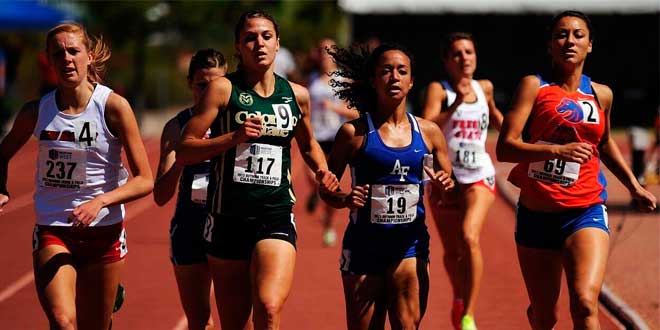
Therefore, medium-distance athletes must develop all energy pathways and muscle fibre types through a dynamic continuum in training volume, duration and intensity.
Nutrition for Runners with Periodisation Training
Periodisation involves the progressive cycling of various aspects of a training programme over a specified period in different phases, to optimise the annual training structure towards maximum performance on the main objective.

In summary, training stimuli during these phases can differ in terms of intensity, volume and duration and therefore so do the types of fuel used to generate ATP.
Runners’ nutrition recommendation
Carbohydrates
When exercising above 75% VO2max, the amount of carbohydrates used during exercise increases rapidly.
During endurance exercise, the body also relies heavily on anaerobic ATP production, with decreases in muscle glycogen.
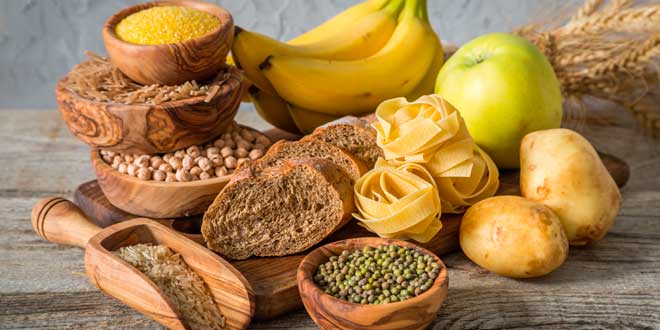
As much of medium distance training is equal to or greater than 75% of VO2max, carbohydrate-rich foods should provide most of the energy supply
Fats
Fat provides fuel at lower to moderate exercise intensities
Fat also provides 4 times more ATP per molecule compared to carbohydrates, but the ATP supply per litre of oxygen is about 10% less when fat is the fuel than when it is the carbohydrate. So when the supply of oxygen is limited, this difference is critical.
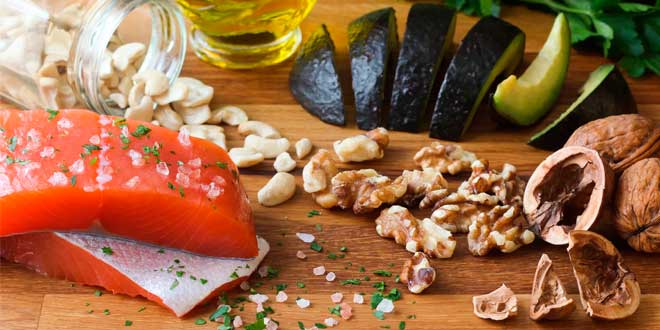
However, due to its energy density, excessive consumption of fat in the diet can lead to unwanted increases in body weight
Adapting to fats
In addition, in several studies where subjects consumed high amounts of fat while training for 5 days, followed by a carbohydrate loading day, it resulted in a decrease in carbohydrate use.
This ‘impaired glycogen use’ would most likely decrease the performance of a middle-distance athlete by inhibiting glycogen degradation and aerobic carbohydrate oxidation. Therefore, it is not currently recommended that middle-distance athletes make any adjustments to dietary fat in pursuit of further performance enhancement.
However, fat is an important component of a healthy, balanced diet.
Proteins
Proteins perform several functions including as enzymes, cell signalling processes and structural proteins comprising muscle fibres
During endurance exercise, protein oxidation represents only 2-5% of total energy expenditure. However, this proportion of amino acid oxidation can increase when training at higher intensities, during longer periods of exercise or when carbohydrate reserves are depleted.
Protein to Recover
Many athletes are aware of the benefit that low body weight brings to sports performance, and many believe that eating protein after exercise can bring unwanted gains in muscle mass, leading to weight gain.
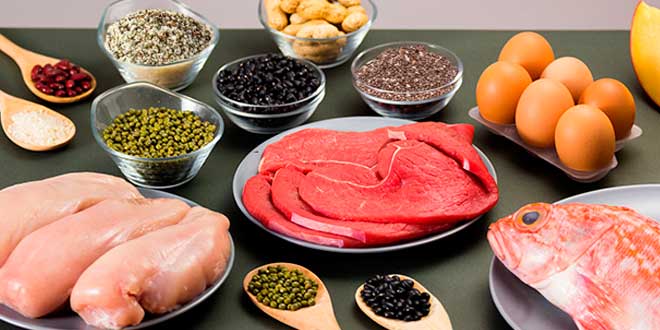
However, recent evidence suggests that exercise-specific stimulation, rather than nutritional intervention, plays an important role in the types of protein synthesised after exercise, which explains the adaptive response to training.
All of the above general recommendations should be implemented appropriately within the training plans and objectives and carried out on an individual basis for each athlete
General Preparation Phase: Aerobic and Strength Development
Due to the large contribution of fat reserves to aerobic ATP production, the recommended fat intake may be higher during this phase (1.5-2g/kg/day)
Moreover, in this phase a greater work of strength is done, so it is also advisable to take proteins both in the diet and to recover after the session. The protein recommendations during this phase are 1.5-1.7g/kg/day. Therefore, carbohydrate intake should be high, varying between 7-10g/kg/day

Specific Preparation Phase: Anaerobic Development, Power and Speed
At this stage, the main fuel for the intense training type is carbohydrates, and therefore intake is maintained at 7-10g/kg/day
Due to the lower total energy expenditure, dietary fat intake can be reduced to 1-1.5g/kg/day. And protein recommendations should be kept at 1.5-1.7g/kg/day.

In the specific preparation phase there is a greater emphasis on anaerobic capacity and aerobic power, while maintaining the aerobic capacity developed in the previous phase.
Competition Phase: Taper and Peak Shape
The increasing intensity of training and competition requires a high carbohydrate intake of about 7-10g/kg/day
Fat intake is further reduced during this phase (1g/kg/day), while protein intake should be at a level to maintain lean muscle mass (1.2-1.5g/kg/day).

This phase is characterised by short, intense sessions and a reduction in training volume
Transition Phase/Rest Days: Physical Recovery
The main objective of this phase is to recover from the previous meso or micro cycle, which allows training adaptations to take place
Therefore, the training volume and intensity are generally very low. Due to the decrease in training volume and intensity, nutritional energy intake during this phase or day should be reduced, and therefore macronutrient recommendations are very similar to those of the general population.
Conclusions
Training involves meticulous planning, where there is an ideal time, place, duration and intensity of training that is timed for optimum performance. This same rigorous approach must also be applied to nutritional strategies.

These strategies should be closely monitored and varied where necessary and individualised
However, by realising the important and integrated role of nutrition in this aspect, the athlete will be one step closer to their objectives
Sources
- Achten, J., Halson, S. L., Moseley, L., Rayson, M. P., Casey, A., & Jeukendrup, A. E. (2004). Higher dietary carbohydrate content during intensified running training results in better maintenance of performance and mood state. Journal of Applied Physiology, 96(4), 1331-1340.
- ACSM. (2000). Joint Position Statement: nutrition and athletic performance. American College of Sports Medicine, American Dietetic Association, and Dietitians of Canada. Medicine and science in sports and exercise, 32(12), 2130-2145.
- Burke, L. M., Kiens, B., & Ivy, J. L. (2004). Carbohydrates and fat for training and recovery. Journal of sports sciences, 22(1), 15-30.
- Coggan, A. R., & Coyle, E. F. (1991). Carbohydrate ingestion during prolonged exercise: effects on metabolism and performance. Exercise and sport sciences reviews, 19, 1-40.
Related Entries
- How to Do Carbohydrate Loading?
- Nutrition and Supplements for Beginner Runners
- Strength Training for Runners