Fitness, Nutrition, Health and Sports Blog In the HSNstore Blog you will find tips about Fitness, sport in general, nutrition, and health – HSNstore.com

Discover with our table the secrets of an effective bulking diet designed specifically for men looking to maximize muscle gain. Learn what to eat, when, and how to get optimal results and transform your body.
| Day | Breakfast | Lunch | Dinner | Snacks |
| Monday | Oats with protein powder and banana | Chicken breast with quinoa and broccoli | Baked fish with sweet potato and mixed salad | Greek yogurt with nuts |
| Tuesday | Scrambled eggs with spinach and whole wheat bread | Grilled beef with brown rice and peas | Salmon with mashed potato and asparagus | Protein shake with almond milk and berries |
| Wednesday | Egg white omelette with tomato and avocado | Whole wheat pasta with meatballs and tomato sauce | Lentil stew with chicken | Cottage cheese with pineapple |
| Thursday | Protein pancakes with honey and fresh fruit | Turkey sandwich on whole wheat bread with coleslaw | Fish tacos with guacamole and salsa | Hummus with carrots and celery |
| Friday | Protein smoothie with spinach, banana, and almond butter | Chickpea curry with basmati rice | Beef steak with mushrooms and cauliflower mash | Nuts and a piece of fruit |
| Saturday | Greek yogurt with homemade granola and berries | Chicken curry with jasmine rice and steamed vegetables | Homemade pizza with cauliflower crust and protein-rich toppings | Protein jelly |
| Sunday | Modified English breakfast (eggs, beans, mushrooms, grilled tomatoes) | Beef fajitas with peppers and onions in whole wheat tortillas | Protein-rich fish soup with vegetables | Protein shake and avocado |
- It’s important to adjust portions and specific foods to each person’s needs and body response.
how many calories are needed?
The bulking diet to gain muscle mass should focus on a proper macronutrient distribution, especially around training, when the body demands more energy.
Studies suggest that consuming 22 kcals per every 0.5 kg of body weight is a good starting point, although it’s important to remember nutrition should be personalized according to individual metabolism, and calorie needs may vary depending on body response.
macronutrients in meals
At HSN we provide a table with the different macronutrients according to portions, which from my experience, I’m consuming, and it simplifies the “problem.” These are approximate values but very close when it comes to macronutrient equivalences, leaving you plenty of combinations to choose from.
proteins
Food | Amount | Protein amount |
Chicken breast | 125gr | 25gr |
Turkey breast | 100gr | 25gr |
Lean beef | 125 | 25gr |
Whey | 1 scoop | 25gr |
Casein | 1 scop | 25gr |
Egg (size L) | 3 | 22,5gr |
Egg whites | 250ml | 26gr |
Tuna in water | 2 cans | 25gr |
White fish | 125gr | 25gr |
Blue fish | 125gr | 25gr |
Low-fat fresh cheese | 250gr | 20gr |
Cottage cheese | 200gr | 25gr |
carbohydrates
Food | Amount | Carbohydrate amount |
Rice | 60gr | 50gr |
Pasta | 60gr | 50gr |
Potato | 250gr | 50gr |
Sweet potato | 250gr | 50gr |
Oats | 80gr | 50gr |
Muesli | 80gr | 50gr |
Sliced bread | 4 slices | 50gr |
Fruit | 3 pieces | 50gr |
fats
Food | Amount | Fat amount |
Olive oil | 1 tablespoon | 12-15gr |
Nuts | 1 handful | 12-15gr |
Egg (size L) | 3 | 15gr |
Avocado | 1/2 | 12-15gr |
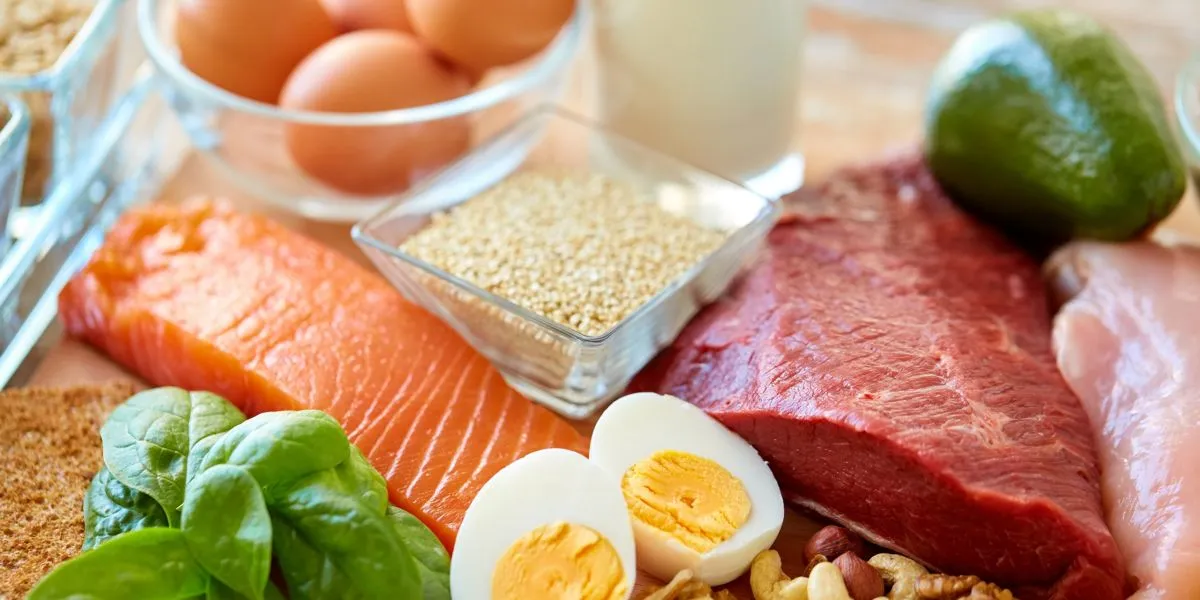
distribute macronutrients
It’s necessary to specify grams of each macronutrient according to our body type.
| Proteins | Fats | Carbohydrates | |
| Mesomorph | 1,6-2,2 g/kg | 0,8-1 g/kg | Until calories are complete |
| Ectomorph | 2-2,5 g/kg | 1-1,2 g/kg | Until calories are complete |
| Endomorph | 1,6-2 g/kg | 0,6-0,8 g/kg | Until calories are complete |
Example: If we’re mesomorphs and weigh 85 kg:
Energy expenditure (enter data in the calculator): 2975kcals
Protein: 136-170g (we take 170g)
Fats: 68-85g (we take 85g)
Carbohydrates: Remaining calories go to carbohydrates.
- Total calories from protein and fat: (170*4) + (85*9) = 1445kcals // each gram of protein provides 4kcals; each gram of fat provides 9kcals.
- Calories for carbohydrates: 2975−1445=1530kcals
- Carbohydrate amount: 1530/4 = 383g // each gram of carbohydrate provides 4kcals.
| Calories | Proteins | Fats | Carbohydrates | |
| Mesomorph | 2975kcals | 170g | 85g | 383g |
tips for following a bulking diet
Special attention should be paid to:
- The frequency of meals is subjective and varies between individuals. Although there’s no fixed rule, spacing meals and consuming large doses of protein can be beneficial for protein synthesis.
- It’s not necessary to eat every few hours to avoid the body’s “starvation mode.” Nutrients keep releasing up to 4-6 hours after a meal.
- The best strategy is to try different approaches to find what works best for each person.
- Setting a meal plan and prepping meals in advance can make sticking to the diet easier.
- When buying foods, especially proteins like meats and fish, it’s helpful to divide them into portions according to protein needs.
- Slowly increase, week by week, the amount of carbohydrates.
supplements to gain muscle mass
Proper nutrition is key for any athlete wanting to maximize training results, especially during a bulking phase that requires a considerably high calorie intake.
However, hitting this daily calorie level can be challenging, leading many to choose supplements to ensure proper nutrition. Among the most effective options are HSN mass gainers, specifically designed to complement bulking diets.
These products are an excellent source of quality calories, combining proteins and carbohydrates, which are essential for muscle development.
Related posts
- How to Gain Muscle Mass?
- What to Eat to Gain Muscle Mass?
- How to Gain Muscle Mass and Lose Fat at the Same Time?
- What’s the Optimal Protein Amount to Gain Muscle?
- 4 Factors to Gain Muscle Mass