Fitness, Nutrition, Health and Sports Blog In the HSNstore Blog you will find tips about Fitness, sport in general, nutrition, and health – HSNstore.com

Expiration date and best before date on food are two different things.
The numbers printed on products that could negatively affect our health if they’re spoiled have always been a source of concern for us consumers.
- What does that date mean?
- Is expiration date the same as best before date?
- Does it mean I can’t consume that product after that date?
- Will I get sick if I do?
What is a food expiration date?
It’s the date from which, according to the manufacturer, the product is no longer safe for the consumer’s health. Usually, the expiration date serves as a guide, telling you until when you can eat a certain product.
Sometimes it’s our own negligence as consumers that’s one of the main causes of premature food spoilage…
What’s the difference between expiration date and best before date?
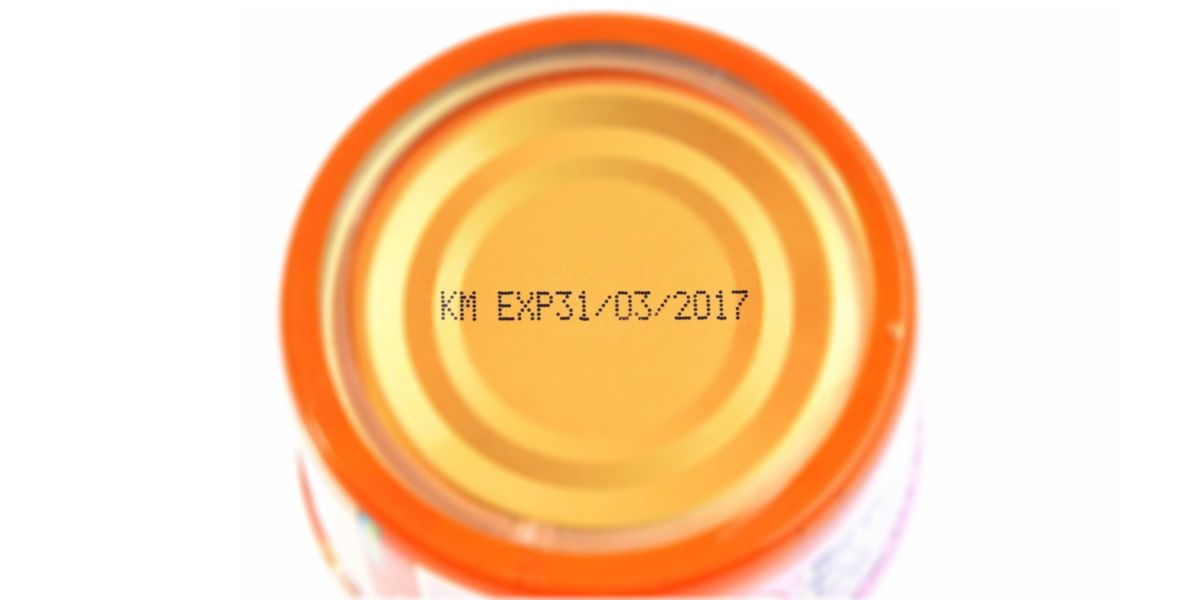
The difference between “expiration date” and “best before date,” also called the minimum durability date, is that the first determines the shelf life of a food. It’s used for products that are perishable for microbiological reasons and can become a health hazard after a short time.
Fresh meats and fish, eggs, dairy, and vegetables mainly have expiration dates, and it’s highly recommended you stick to them.
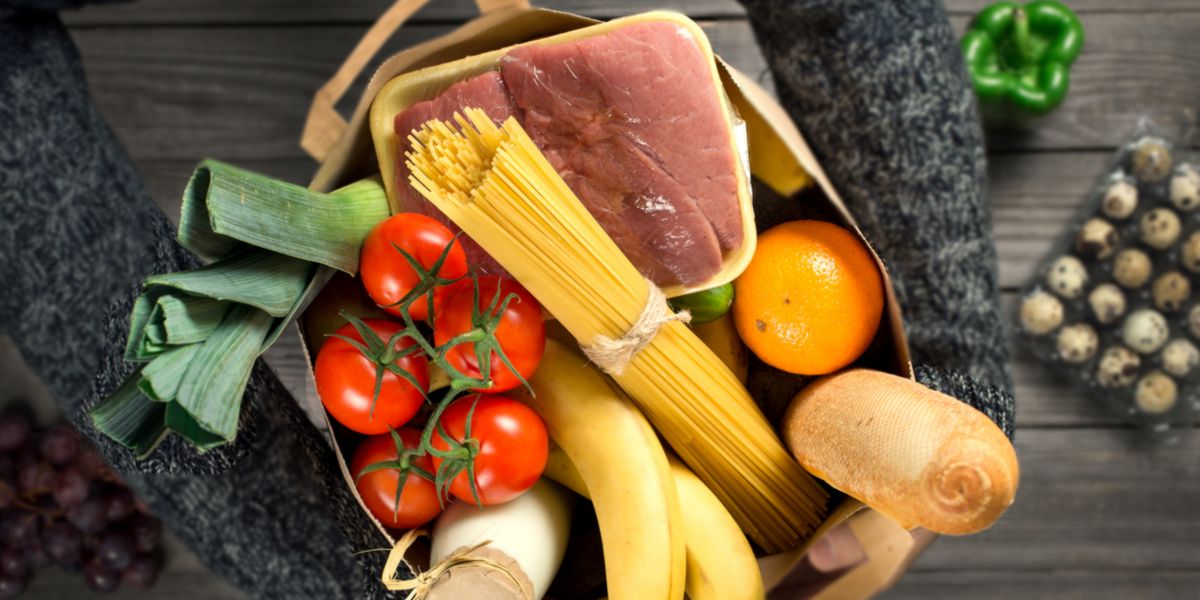
Have you noticed that sometimes the best before date shows day and month, and other times just the month?
That’s because the European regulation governing the food information consumers receive states that foods:
- With a minimum shelf life under 3 months: must show day and month of best before date, followed by “best before…”
- With a minimum shelf life between 3 and 18 months: must show month and year of best before date, followed by “best before the end of…”
- With a minimum shelf life > 18 months: must show the year of best before date.
What dates can we find on foods or food preparations?
Mainly 3:
Best before date or minimum durability date
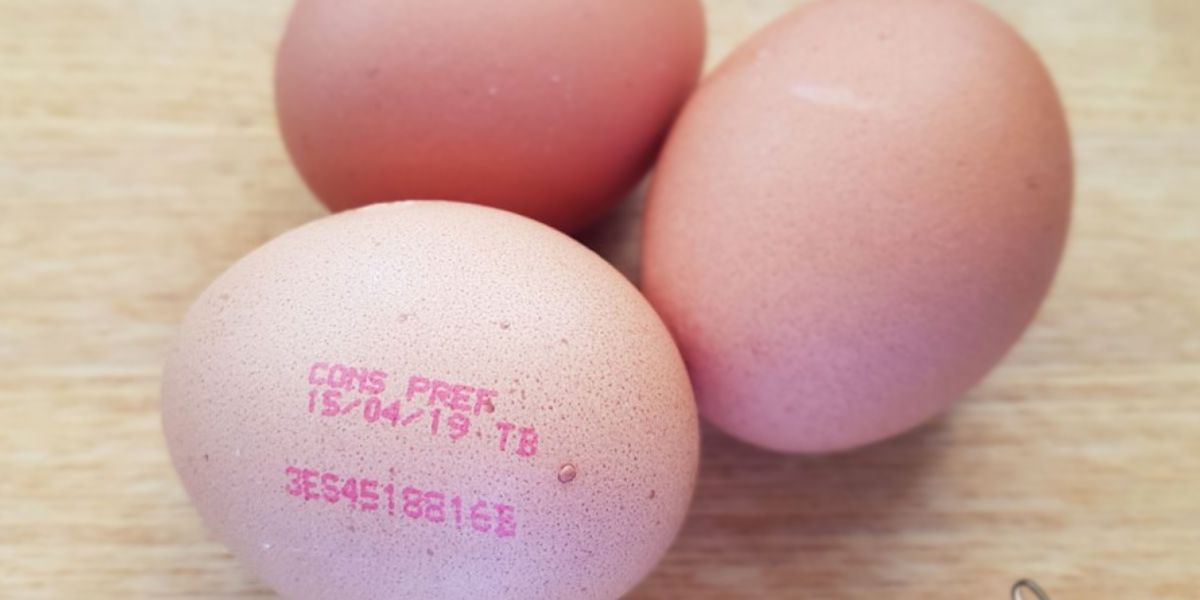
Expiration date or maximum durability date
Freezing date
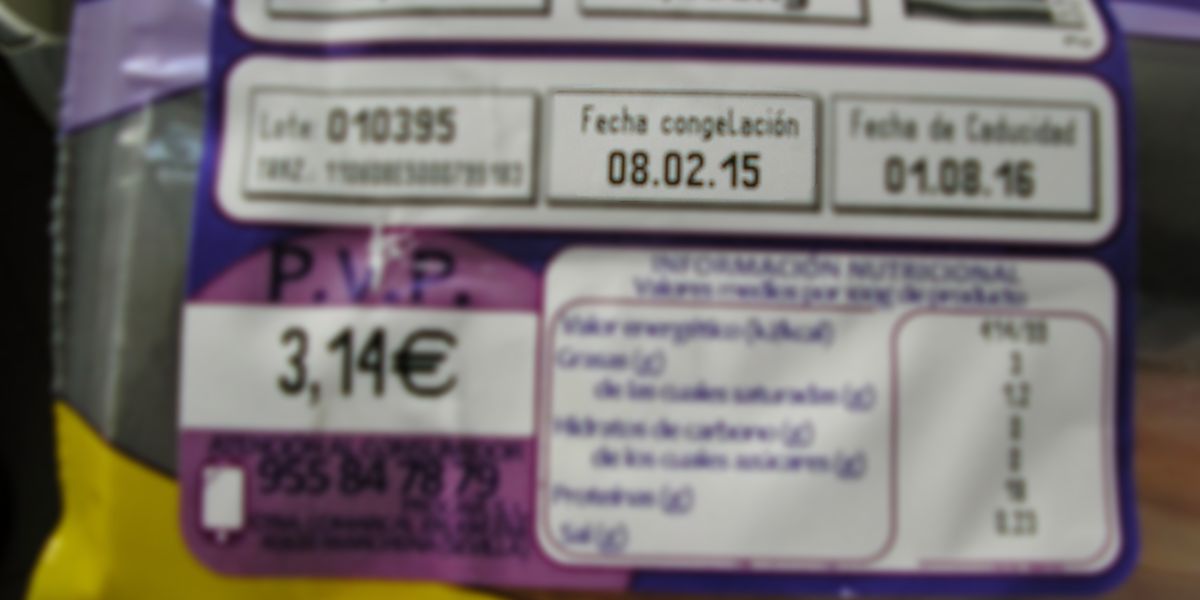
This date indicates the first time the food was frozen, since many foods are frozen multiple times during processing and manufacturing.
Explanation
- The first two dates are mutually exclusive, meaning either one or the other appears (either expiration date or best before date), never both at the same time.
- The freezing date appears, logically, on frozen foods; specifically on frozen meat, frozen meat preparations, and frozen unprocessed fish products.
What determines food preservation?
Companies carry out all kinds of analyses to determine food quality and traceability.
Among them, the most important is the microbiological analysis, which determines how long it takes for a food to be colonized by pathogenic microorganisms.
Even though everyone worries about whether to eat a product past its best before date, very little attention is paid to storage conditions.
Do you know what temperature your fridge is set at?
That’s the main cause of microbiological contamination in foods in Spain: fridges that aren’t cold enough.
Some tips
To make sure eating not only nourishes you but also keeps you healthy, it’s a good idea to:
- Wash your hands well before eating. Do it when preparing food and after using the bathroom.
- Handle raw foods separately to avoid cross-contamination.
- Eat foods well cooked.
- Keep foods at a safe temperature. It’s recommended to refrigerate below 5° and heat above 65°.
- Buy and consume foods from authorized places.
- Drink only potable water. If none is available, boil it for at least 3 minutes.
- Clean well the area and utensils used to prepare food.
- Keep the kitchen clean.
Expiration and best before dates on supplements
Food supplements and food preparations aimed at sports nutrition are non-perishable products in the short and medium term.
Most of the time their minimum shelf life is around two years.
This makes supplements very safe products to consume, since with such a long minimum shelf life, their maximum shelf life becomes indeterminable.
Mostly, it’s enough to keep them in a cool, dry place, away from light. Easy, right? Just storing them on the shelf in your pantry will extend your supplements’ shelf life.
You’ll probably finish them before the best before date anyway!
Consuming supplements past best before date
“I left an Evolate 2.0 in the pantry and its best before date passed. Can I still consume it?”
This question is quite common and really tricky to answer, since it depends on factors like:
“…which supplement it is, how it’s been stored, how long it’s been opened, how long since the best before date expired, what the appearance is (and other organoleptic properties of the product…)…”
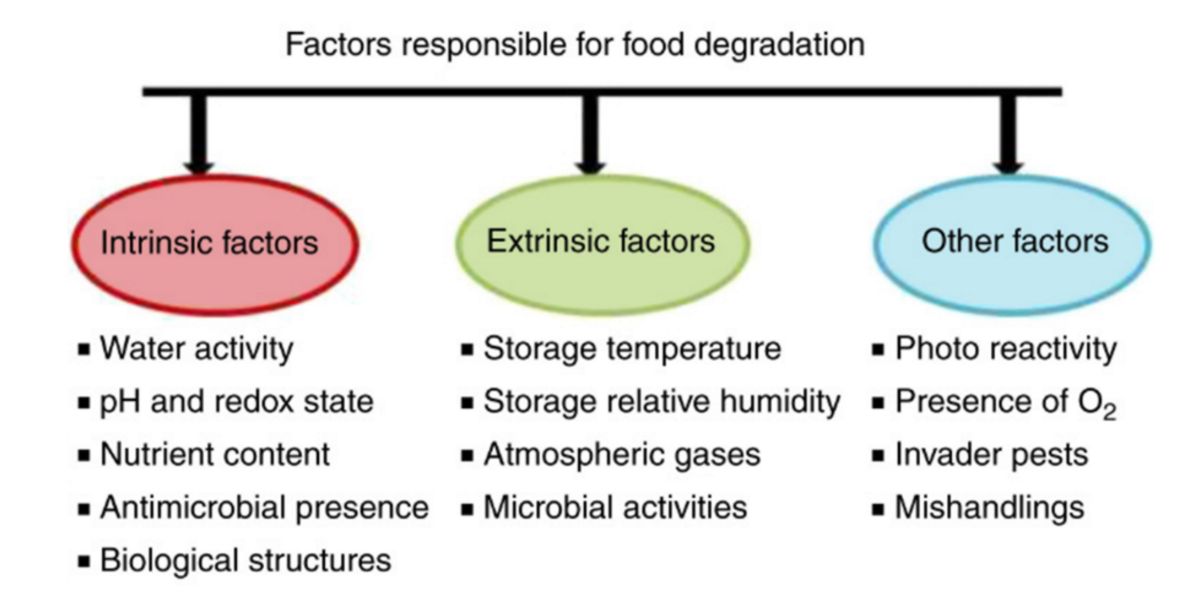
Again, the best before date is just “the date until which the food keeps its specific properties when stored properly.”
How to store a supplement?
Here are some easy tips to keep your supplements in good shape, unless the product indicates otherwise:
Store in a cool place
Microorganisms can grow at any temperature; although most are mesophilic, with an optimal growth temperature of 37ºC.
Although some microorganisms have a cryophilic profile, they’re less common.
Store in a dry place
High humidity can affect micronized supplements, since their treatment means that increasing ambient water content alters the product’s integrity.
Store away from light and properly sealed
Sunlight and air contact can oxidize the contents of food preparations, peroxidize their lipids, making them rancid, polymerize the micronized powder causing clumps, and glycate the protein (sugars reacting with amino acids).
Protein can be perceived as spoiled when its texture is grainy, when sulfur notes are detected in its smell, and when it doesn’t dissolve, precipitates (settles at the bottom), and coagulates in solution.
References
- Bondi, M., Messi, P., Halami, P. M., Papadopoulou, C., & De Niederhausern, S. (2014). Emerging microbial concerns in food safety and new control measures. BioMed Research International, 2014, 251512.
- European Commission (2011). Regulation 1169/2011 on the provision of food information to consumers. Official Journal of the European Union, 2011, 18–63.
- European Commission. (2002). Regulation 178/2002 laying down the general principles and requirements of food law, establishing the European Food Safety Authority, and laying down procedures in matters of food safety. Official Journal of the European Communities, (9), L 128/8.
- Majumdar, A., Pradhan, N., Sadasivan, J., Acharya, A., Ojha, N., Babu, S., & Bose, S. (2018). Food Degradation and Foodborne Diseases: A Microbial Approach.
- Petruzzi, L., Corbo, M. R., Sinigaglia, M., & Bevilacqua, A. (2017). Chapter 1 – Microbial Spoilage of Foods: Fundamentals. In A. Bevilacqua, M. R. Corbo, & M. Sinigaglia (Eds.), The Microbiological Quality of Food (pp. 1–21).
- USDA (2019). Food Product Dating.
- Xavier, D., Jaffrès, E., & Zagorec, M. (2016). Spoilage: Bacterial Spoilage. Encyclopedia of Food and Health.
Related posts
- What you need to know to Interpret a Plant Extract Supplement Label. Direct link.
- To dive deeper into Additives in Food Supplements, click here.
- What do the HACCP and GMP seals mean? More info by clicking this link.