 Fitness, Nutrition, Health and Sports Blog In the HSNstore Blog you will find tips about Fitness, sport in general, nutrition, and health – HSNstore.com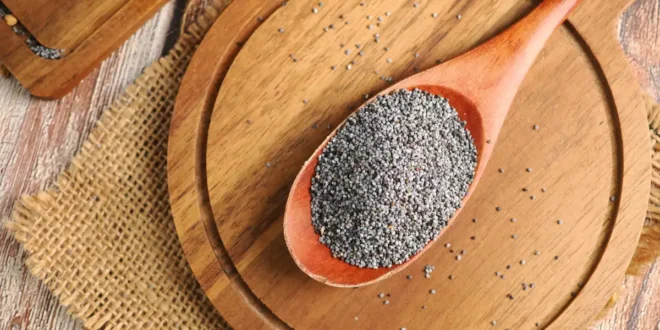

Have you tried poppy seeds yet? These tiny treasures, with their delicate nutty flavour, are the perfect way to give your diet a healthy and tasty twist. But beyond their culinary uses, their real power lies in their nutrient density: fibre, healthy fats, and essential minerals that support your digestion and take care of your heart.
Small in size but big on benefits, poppy seeds promise to turn every recipe into a delicious, stylish, and healthy experience. Discover all their benefits with us!
Nutritional Value of Poppy Seeds
| Nutrient | Amount per 100g |
| Energy | 525kcals |
| Protein | 18g |
| Total fat | 42g |
| -saturated | 4g |
| -monounsaturated | 6g |
| -polyunsaturated | 29g |
| Carbohydrates | 28g |
| -fibre | 19g |
| -sugars | 3g |
| Calcium | 1438mg |
| Iron | 9.8mg |
| Magnesium | 347mg |
| Phosphorus | 870mg |
| Potassium | 719mg |
| Zinc | 7.9mg |
| Manganese | 6.8mg |
| Copper | 1.1mg |
Main Benefits of Poppy Seeds
Heart Protection
Poppy seeds stand out for their high content of polyunsaturated fatty acids, especially omega-6 and small amounts of omega-3. These healthy fats help keep LDL (‘bad’) cholesterol in check and support a balanced lipid profile. Including them regularly may contribute to better cardiovascular health and help prevent heart disease.
They are rich in minerals like magnesium and potassium, which are key for regulating blood pressure. Magnesium relaxes the arterial muscles, improving blood flow, while potassium counteracts the effects of sodium, helping to keep blood pressure within healthy limits.
Bone Health Support
With exceptional levels of calcium and phosphorus, poppy seeds are great allies for your bone structure. Calcium is the main component of bones and teeth, and together with phosphorus, it helps form and maintain bone tissue, preventing density loss as we age.
Magnesium also plays a role in bone mineralisation, supporting proper calcium absorption and contributing to skeletal strength. Eating poppy seeds regularly can be especially useful in vegetarian or vegan diets, where dairy intake may be limited.
Digestive Health Boost
With nearly 20g of fibre per 100g, poppy seeds are powerful intestinal regulators. Insoluble fibre adds bulk to stools and promotes bowel movement, helping prevent constipation and supporting a healthy colon.
Their soluble fibre works as a prebiotic, feeding your good gut bacteria and producing short-chain fatty acids that nourish intestinal cells. This can lead to less inflammation and a more resilient digestive system.
Energy and Satiety
Rich in healthy fats and plant-based proteins, poppy seeds offer a sustained source of energy. These macronutrients take longer to digest, helping to keep you feeling full longer and avoiding blood sugar spikes.
Adding them to your breakfast, in yoghurts or smoothies, or as a topping for salads and bread, provides a quality calorie intake that powers your day, boosts physical performance and curbs cravings between meals.
How to Add Poppy Seeds to Your Diet?
At HSN we recommend our 100% Natural Poppy Seeds from FoodSeries: crunchy, with a mild nutty flavour, and loaded with fibre, plant protein, essential fatty acids, calcium and magnesium.
- Add to breakfast cereals.
- Sprinkle over salads, meals, or mix into dressings (they can be lightly toasted first).
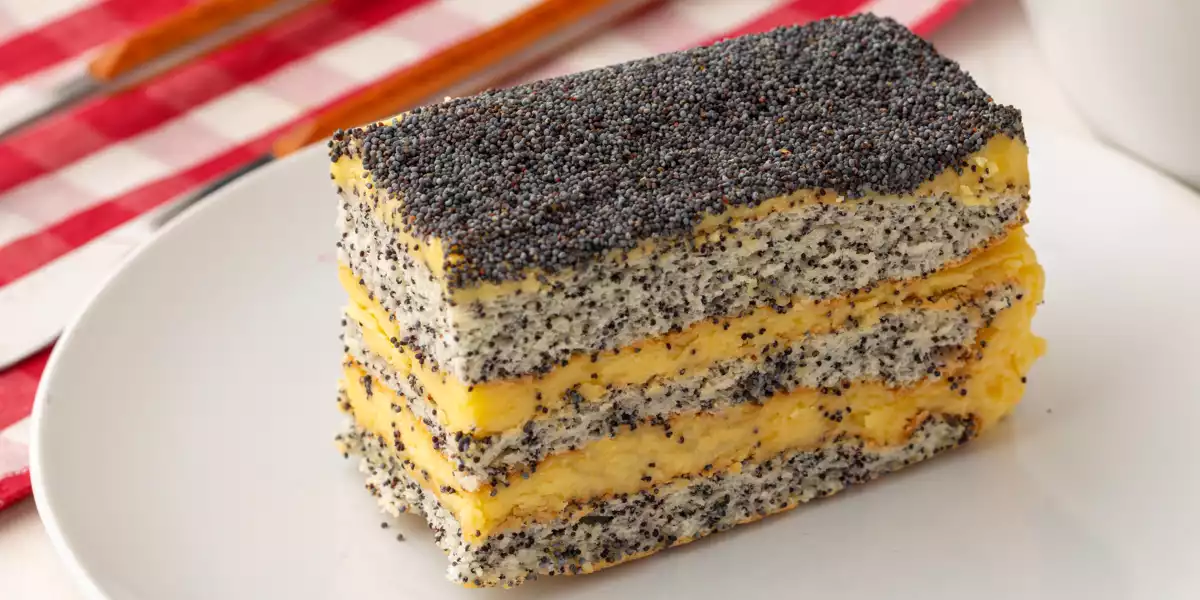
- Combine with melted butter, honey or sugar to make a paste for filling pastries, biscuits, or buns.
- Add to soups or broths.
- Mix into yoghurts or fruit juices.
- Enjoy in herbal infusions.
- Sprinkle a pinch over bread, toast, or biscuits with jam or honey.
- Eat them on their own, with one or two glasses of water.
Some Tips
Poppy seeds tend to oxidise quickly due to their high unsaturated fat content. For this reason, it’s best to buy them fresh and from trusted sources.
Once purchased, it’s advisable to store them in dry, dark places. Avoid humid areas, and if possible, keep them in airtight jars or containers for up to six months without concern.
If you’re aiming for a rich and balanced diet, adding new ingredients and trying new combinations is the ideal formula. That’s why sprinkling a small amount of poppy seeds onto meals, breakfasts or teas is a simple way to fill your dishes with essential nutrients and enjoy all their benefits.
Related Articles