Fitness, Nutrition, Health and Sports Blog In the HSNstore Blog you will find tips about Fitness, sport in general, nutrition, and health – HSNstore.com

Let’s talk about a hormone that hardly anyone has heard of, at least in the fitness scene or health world: oxytocin.
We’re all used to hearing about growth hormone or insulin as anabolic hormones.
What is Oxytocin?
Oxytocin is a hormone produced in cells of the hypothalamus (parvocellular and magnocellular neurons) and classically (that’s how I learned about it in med school) it’s linked to two essential physiological processes for humans:
- Inducing labor
- Breastfeeding (along with prolactin)

What metabolic effects does oxytocin have?
Besides its roles in labor and breastfeeding, oxytocin seems to act as a nutritional status sensor in both sexes (men and women).
It appears that OXT has an anorexigenic effect, leading to lower energy intake by acting on multiple homeostatic and neurobehavioral pathways.

Ever heard the saying “they lost their appetite, they’re in love”?
How is it produced?
Oxytocin is released in response to labor and the baby suckling at the nipple.
What’s interesting is that available studies show weight loss due to fat mass loss, not lean mass.
Subjects increase their energy expenditure and reduce intake when exposed to high oxytocin levels.

Are we looking at the new GH?
Probably not, since its secretion pattern is much more specific, but if it could be isolated and safely administered to patients with obesity, could this be a new anti-obesity drug?
Benefits
Lipolysis
Greater fat oxidation.
Muscle anabolism
What any bodybuilder would want…
It’s also of interest for people with chronic conditions, as many develop sarcopenia over time.

Bone anabolism
Let’s not forget bone, muscle’s close cousin, whose health is at least as important as muscle’s.
Slower gastric emptying rate, promoting fullness
It’s the same mechanism as other hormones used in obesity like GLP-1 analogs, a widely used incretin in antidiabetic and anti-obesity therapy.
Increased insulin secretion for the same glucose load
In other words, it helps the pancreas secrete insulin when needed, potentially reducing hyperglycemia.
Changes in the microbiome
Nowadays, talking about the microbiome is talking about metabolism.
The microbiota and their metabolites have been shown to act through hundreds of different metabolic pathways.
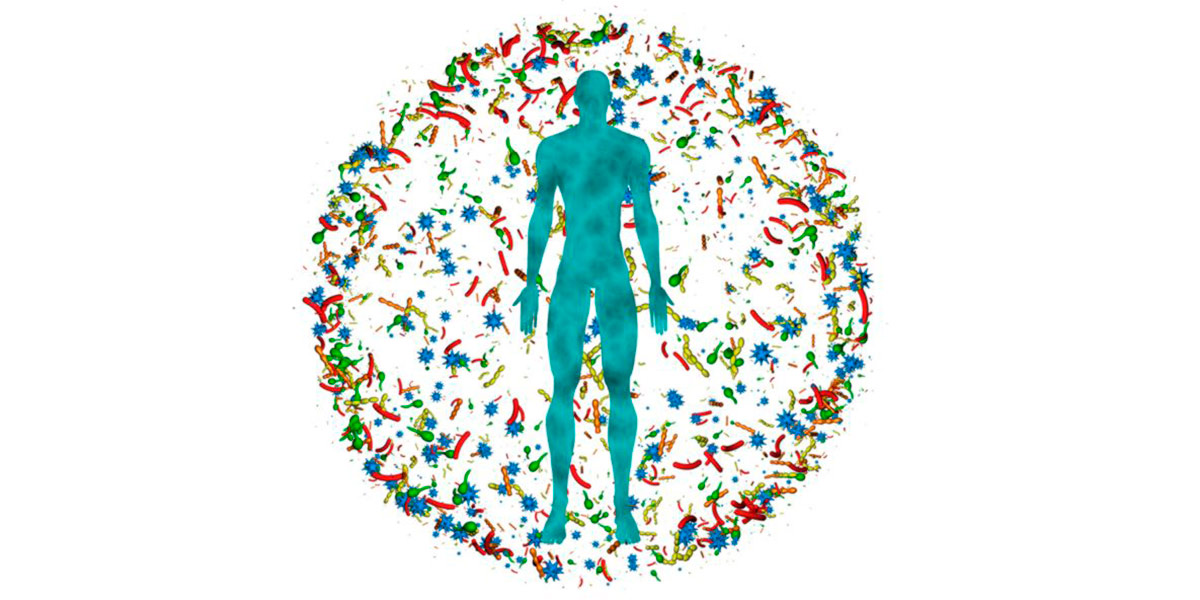
Looks like oxytocin also influences the microbiota.
Lower calorie intake
You know, the “lover’s anorexia.”
Social effects
Oxytocin is involved in intangible and deeply human processes like empathy, affection, and love.

That’s why it’s called “the love hormone.”
Could it be used in the future to treat conditions?
That’s exactly what’s being tested:
- In people with exogenous obesity (the most common);
- And in patients with hypothalamic obesity (seen in some syndromes like Prader-Willi).
Several clinical trials are underway, with the administration method being one of the challenges we’re trying to solve.
Is there a way to produce it endogenously?
Yes, there are several ways, some more practical than others, to boost oxytocin secretion:
If you’re a woman:
- Giving birth.
- Having a baby latched on the breast.

But also, for both sexes:
- Sexual stimulation.
- Affection.
Conclusions
Popularly, being in love has been linked to a state of ecstasy and physiological well-being.
This is due to the secretion of a series of neuropeptides like endorphins during that beautiful period of our lives.

But interestingly, another claim about the courtship and falling in love period is “having less hunger.”
Physiology never ceases to amaze us, and this article confirms that oxytocin has systemic effects far beyond causing contractions during labor or triggering milk letdown.
References
- McCormack SE, Blevins JE, Lawson EA. Metabolic Effects of Oxytocin. Endocr Rev. 2020 Apr 1;41(2).
Related Posts
- We invite you to learn how to Compete in Fitness after becoming a mom… click here.