Fitness, Nutrition, Health and Sports Blog In the HSNstore Blog you will find tips about Fitness, sport in general, nutrition, and health – HSNstore.com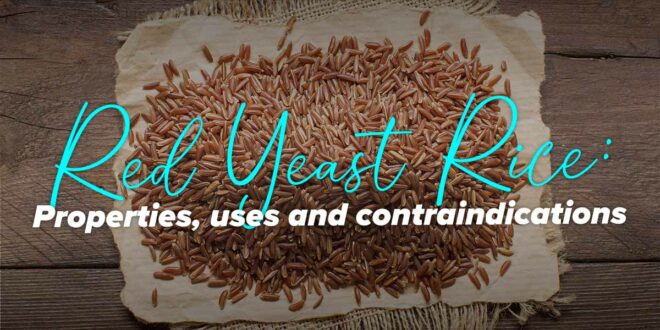

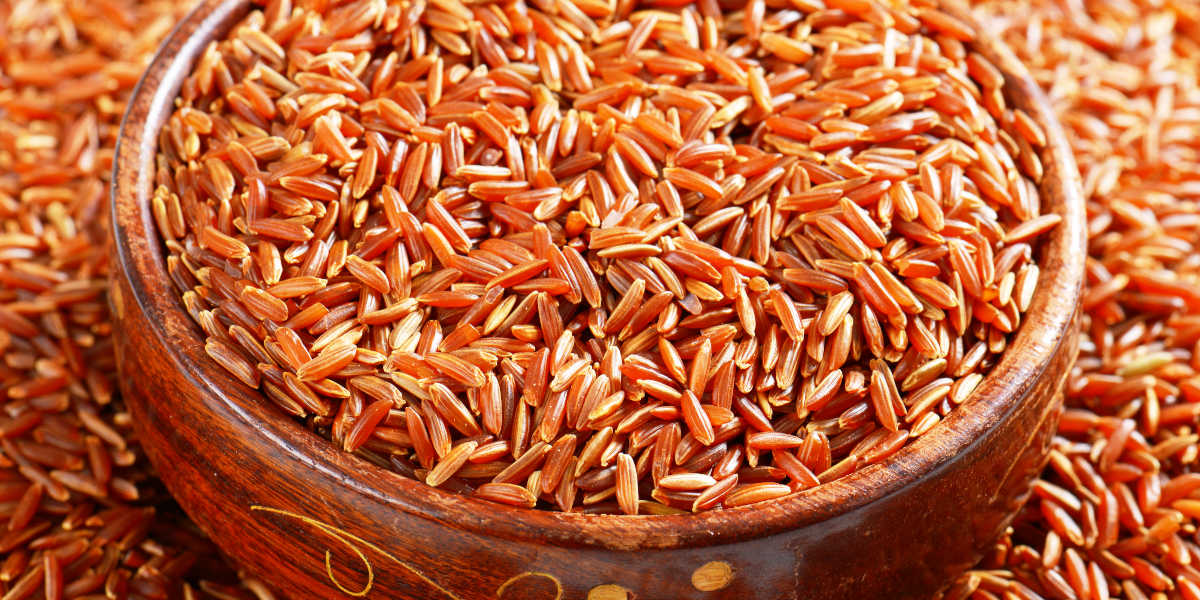
Red yeast rice is in fashion, and this food supplement of Asian origin is particularly famous thanks to its fantastic nutritional and medicinal properties that combat cholesterol.
In this post, we’ll look at its primary benefits, contraindications and possible side effects.
What properties does Red Rice have?
Among the principle properties of red rice are the role it plays in reducing cholesterol, but it has other benefits for the health too:
- Lowering blood pressure, thanks to its hypotensive effect.
- Regulating bad cholesterol (LDL) in the blood, due to the monacolin K generated by the rice yeast, very similar to statins, used medically to treat the disease.
- Fighting high triglyceride levels.
- Positively influencing the level of lipoproteins and CRP (C-reactive proteins) in the body.
- Having antioxidant properties.
- Being an anti-inflammatory agent.
- Promoting better digestion.
- Balanced blood pressure levels.
Now you know exactly how red yeast rice can benefit us. Incredible, right? In our online store, we have red yeast rice with coenzyme Q10. Discover its incredible properties for yourself!

Red Yeast Rice by EssentialSeries.
Does it have contraindications or side effects?
The first thing to keep in mind in this regard is that taking a dose equal to or greater than 5 mg/day requires approval from your doctor.
- It’s not recommended for pregnant women, elderly people or those with liver problems.
- Don’t take red yeast rice when ingesting grapefruit or products containing grapefruit. This fruit is known to increase the levels of statin in the body, resulting in too high a dose.
- You should only use red yeast rice when your blood cholesterol levels don’t exceed 15% of normal values.
This product may have mild side effects, the predominant ones being:
- Abdominal discomfort.
- Heartburn.
- Gases.
- Headaches.
- Dizziness.
Bibliographic studies
- Panda BP, Saalem Javed, and Mohd Ali. Production of Angkak Through Co-Culture of Monascus Purpureus and MONASCUS RUBER. 2010 Jul-Sep; 41(3): 757–764.
- Ma J, Li Y, Ye Q, Li J, Hua Y, Ju D, Zhang D, Cooper R, Chang M. Constituents of red yeast rice, a traditional Chinese food and medicine. 2000 Nov;48(11):5220-5.
- Becker DJ, Gordon RY, Halbert SC, French B, Morris PB, Rader DJ. Red yeast rice for dyslipidemia in statin-intolerant patients: a randomized trial. 2009 Jun 16;150(12):830-9, W147-9.
- Heber D, Lembertas A, Lu QY, Bowerman S, Go VL. An analysis of nine proprietary Chinese red yeast rice dietary supplements: implications of variability in chemical profile and contents. 2001 Apr;7(2):133-9.
- Jianping Liu, Jing Zhang, Yi Shi, Sameline Grimsgaard, Terje Alraek, Vinjar Fonnebo. Chinese red yeast rice (Monascus purpureus) for primary hyperlipidemia: a meta-analysis of randomized controlled trials. 2006 Nov 23. doi: 10.1186/1749-8546-1-4.