Fitness, Nutrition, Health and Sports Blog In the HSNstore Blog you will find tips about Fitness, sport in general, nutrition, and health – HSNstore.com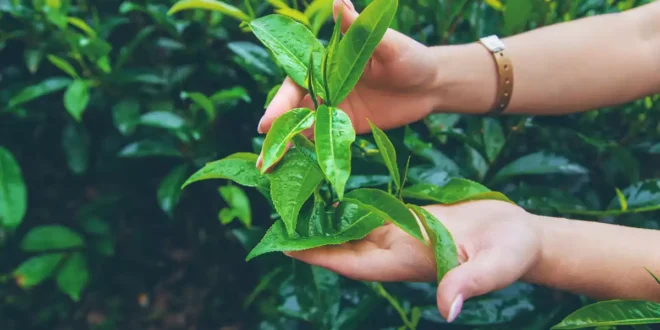

Green tea is, after water, the most widely consumed beverage on the planet. It is obtained from the leaves of Camellia sinensis, the same plant from which black tea, oolong tea and white tea are produced; what changes is the processing method.
Its history dates back to ancient China, where its consumption was already documented more than four thousand years ago. From there, it spread to Japan, where the tea ceremony elevated its preparation almost to the status of a ritual.
For many people, it remains simply a relaxing infusion. But behind every cup lies a combination of bioactive compounds —catechins, polyphenols and, above all, the well-known EGCG— that have made green tea one of the most extensively studied ingredients in the field of nutrition.
In this article, we take a closer look at what it actually contains, what science says about it, how a green tea extract differs from a conventional tea bag infusion, and how to choose a good supplement if that is what you are looking for.
What makes green tea special? Chemical composition
All tea —green, black or oolong— comes from the same leaf. What distinguishes green tea is that, after harvesting, the leaves undergo a drying and mild heating process (either steaming or pan-firing) that rapidly inactivates oxidative enzymes, primarily polyphenol oxidase.
This stops oxidation almost immediately. Black tea, by contrast, is allowed to oxidise completely (oxidative fermentation), which darkens the leaf and transforms a large proportion of its catechins into other molecules, such as theaflavins.
This minimal oxidation is precisely why green tea retains a much richer and more intact polyphenol profile than black tea.
Polyphenols and catechins: the key players
Polyphenols account for a significant proportion of the dry weight of green tea leaves, and among them one particular group stands out: catechins, a type of flavanol. The main ones are:
- Epicatechin (EC)
- Epicatechin gallate (ECG)
- Epigallocatechin (EGC)
- Epigallocatechin gallate (EGCG)
EGCG: the reference catechin
EGCG is the most abundant catechin in green tea —it can account for more than half of its total catechin content— and is also the most extensively studied in in vitro and preclinical research on oxidative stress and cellular metabolism.
It is one of the most extensively researched plant-derived bioactive compounds of the past two decades, with thousands of studies published using cellular and animal models.
Benefits of Green Tea: What does science say?
Below, we break down the properties of green tea (Camellia sinensis) based on its active compounds:
1. Powerful Antioxidant Shield
Green tea is widely known for its ability to support the body’s defences.
- Cellular defence: Green tea has a beneficial effect on antioxidant properties and helps strengthen the body’s antioxidant defences, neutralising free radicals produced by stress, intense exercise or pollution.
2. Metabolism and Fat Oxidation
Although there are no miracle products, natural green tea extract combined with EGCG helps increase metabolism.
- Energy expenditure: Green tea has been observed to promote energy expenditure and fat oxidation.
- Lipid control: It also helps increase fat oxidation and reduce accumulated fat, provided that it is combined with a calorie deficit and exercise.
3. Cardiovascular and Digestive Health
The effects of green tea go beyond energy:
- Cholesterol: Green tea helps maintain normal or healthy cholesterol levels, supporting the health of the circulatory system.
- Digestion: Few people know that green tea (Camellia sinensis) also promotes good digestive function, making it an excellent option after meals.
4. Cognitive Performance: Focus and Energy
Green tea contains a naturally synergistic combination of caffeine and L-theanine. Unlike coffee, which can cause spikes in nervousness, green tea provides more sustained energy.
- Endurance: It has stimulating and toning properties that contribute to resistance against physical and mental fatigue.
- Mental focus: Green tea improves concentration and learning, making it an ideal ally for students and those preparing for competitive examinations who are looking for mental clarity without overstimulation.
Green tea extract vs. conventional infusion
This is worth taking a closer look at, as it is one of the questions we are asked most frequently.
The concentration issue
Many studies analysing green tea catechins use amounts of EGCG that would be very difficult to achieve by drinking infusions alone: some research protocols have used doses equivalent to several cups per day, far above typical consumption.
This does not mean that green tea infusions are not worthwhile —they certainly are, and they can easily be incorporated into a balanced diet— but it does explain why many people turn to a standardised extract when they want to ensure a specific and consistent amount of catechins.
Why standardisation matters
This is precisely where the difference in quality between one extract and another lies: the supplement should clearly state the percentage of EGCG or total catechins per serving. An extract without this information does not allow you to know how much active compound you are actually taking or to adjust the dose according to the amounts described in the scientific literature.
Therefore, when choosing a green tea extract, we recommend checking the product information and making sure that it specifies the standardised catechin content, rather than simply stating the total amount of extract in milligrams.
- If you are looking for a product that provides a high concentration and standardised content of polyphenols, catechins, EGCG and caffeine, we suggest Green Tea Extract (25:1) 500mg by EssentialSeries.
How and when to take green tea
To take advantage of its potential effects on metabolism, many users prefer to take it 30-60 minutes before training.
- Dosage: Amounts commonly used in studies are around 500mg.
- With or without food? To help prevent stomach discomfort (due to tannins), it is recommended to take it with a light meal.
- Synergy: Combine it with Vitamin C to improve the stability and absorption of catechins in the intestine.
Contraindications and safety
This content is for informational purposes only and is not a substitute for advice from a healthcare professional. If you have any concerns regarding your health, consult your doctor or pharmacist.
- Caffeine sensitivity: If you are very sensitive to caffeine, avoid taking it in the late afternoon or evening so that it does not interfere with sleep.
- Iron absorption: Polyphenols may slightly inhibit the absorption of non-haem iron. It is recommended to separate green tea intake from main meals if you have anaemia.
- High doses: Do not exceed the manufacturer’s recommended dose in order to protect liver health.
Conclusion
Green tea is much more than a light infusion: it is a plant with a unique polyphenol profile, dominated by catechins such as EGCG, which has been the subject of scientific research for decades in areas as diverse as cellular metabolism, cardiovascular health and cognitive function.
Choosing a well-standardised extract, learning about its composition and viewing it as part of a balanced diet and an active lifestyle —never as a substitute for either— is, at present, the most honest way to make the most of the interest surrounding this ancient plant.
Related links:
- Another type of tea you may find interesting: Matcha Tea. All the information
- Want to lose fat? Check out this link for more information on thermogenics.
- Boost your health with the properties of Tart Cherry