Fitness, Nutrition, Health and Sports Blog In the HSNstore Blog you will find tips about Fitness, sport in general, nutrition, and health – HSNstore.com

L-carnitine is one of the best-known ingredients in sports nutrition and is included in a wide range of dietary supplements designed for active individuals. In this article, we review what it is, how it is synthesized in the body, which foods contain it, and what the available scientific evidence says about it.
What is L-Carnitine?
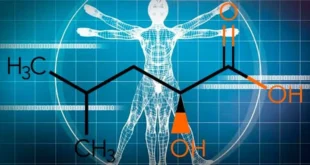
L-carnitine, or levocarnitine, is an amine naturally synthesized by the body from two essential amino acids: lysine and methionine. It is naturally present in most cells of the body, especially in tissues that use fatty acids as an energy source, such as skeletal and cardiac muscle.
“Carnitine” is the generic term that encompasses several compounds: L-carnitine, L-carnitine L-tartrate, acetyl L-carnitine, and propionyl L-carnitine.
Most healthy individuals produce the amount of carnitine they need. In some cases—such as certain diseases, genetic disorders, or in premature infants—this production may be limited.
Types of Carnitine
There are different forms of carnitine, each with its own characteristics regarding absorption and common use in supplementation:
L-Carnitine L-Tartrate
It has a high absorption rate, making it one of the most widely used forms in sports nutrition.
Acetyl L-Carnitine (ALCAR)
Propionyl L-Carnitine
This is the form most extensively studied in relation to circulatory processes, as it is involved in nitric oxide production.
D-Carnitine
It is a biologically inactive form that may also interfere with the absorption of other forms of carnitine.
The choice of one form or another should be based on the intended purpose of use and, whenever in doubt, on the advice of a qualified healthcare professional.
Synthesis and Function in the Body
To synthesize L-carnitine, the body requires lysine, methionine, iron, vitamin B6, niacin, alpha-ketoglutarate, and vitamin C. Carnitine is involved in transporting long-chain fatty acids into the mitochondria, where they are metabolised to produce energy.
Dietary Sources
Carnitine is found mainly in foods of animal origin. Beef is the richest dietary source:
- Beef, 170 g – 160 mg
- Pork, 170 g – 50 mg
- Chicken, 170 g – 6 mg
- Whole milk, 235 ml – 8 mg
- Cooked cod, 115 g – 4 to 7 mg
- Cooked chicken breast, 115 g – 3 to 5 mg
- Ice cream, 120 ml – 3 mg
- Cheddar cheese, 57 g – 2 mg
- Wholemeal bread, 2 slices – 0.2 mg
- Cooked asparagus, 120 g – 0.1 mg
A person following a mixed diet that includes red meat typically consumes between 60 and 180 mg of carnitine per day through food. In vegan diets, dietary intake is reduced to around 10–12 mg per day due to the exclusion of animal-derived foods.
Most dietary carnitine is absorbed in the small intestine before entering the bloodstream. The kidneys act as a natural reservoir, regulating its excretion to maintain stable blood levels.
L-Carnitine Supplements
Carnitine dietary supplements are available in capsule, liquid, and powder forms, and may be of interest to those wishing to ensure an additional intake of this compound alongside their diet.
Although naturally occurring carnitine comes from meat, the carnitine used in dietary supplements is produced through fermentation, making it suitable for both vegan and vegetarian diets.
Since carnitine is mainly obtained from foods of animal origin, dietary levels in vegans and vegetarians are generally lower. Whether supplementation is appropriate should be assessed on an individual basis, ideally with guidance from a qualified nutrition professional.
Carnitine Deficiency
Two types of deficiency are recognised:
- Primary deficiency. A genetic disorder affecting the cellular transport system for carnitine, usually becoming apparent around five years of age.
- Secondary deficiency. Associated with certain diseases or medical treatments (for example, some antibiotics) that reduce carnitine absorption or increase its excretion.
Any suspected carnitine deficiency, as well as the decision to supplement in such cases, should be assessed and supervised by a healthcare professional.

Scientific Research: What Do the Studies Say?
L-carnitine is one of the most extensively studied compounds in sports nutrition. However, research findings are varied and, in many cases, inconclusive.
Some studies using high doses (2,000–6,000 mg/day) for periods of up to 28 days found no changes in oxygen utilisation during exercise or in muscle carnitine levels[3,4]. Another study, published in 2018, observed changes in muscle strength and lactate markers after 9 weeks of supplementation with 2 g per day[5]. However, this represents an isolated finding that requires confirmation through further research.
In the cardiovascular field, several lines of research have explored the relationship between carnitine and various metabolic markers, with mixed results and no definitive conclusions regarding its role in circulatory health.
Safety and Precautions
When consumed within the usual intake range, L-carnitine is generally well tolerated. Excessive consumption may be associated with digestive discomfort, such as nausea or diarrhoea.
Interactions
Carnitine may interact with antibiotics containing pivalate (such as pivampicillin). In addition, reduced blood carnitine levels have been observed in children treated with phenobarbital, valproic acid, phenytoin, or carbamazepine. Anyone undergoing pharmacological treatment is advised to consult a healthcare professional before taking this type of supplement.
Common Supplement Combinations
In the sports supplement market, L-carnitine is frequently combined with other ingredients, including:
- Alpha-lipoic acid
- Caffeine
- Choline
References:
- Rebouche CJ. Modern Nutrition in Health and Disease, 9th edition, Lippincott Williams & Wilkins, New York, 1999, pp. 505–512.
- Eder K, Felgner J, Becker K, Kluge H. Free and total carnitine concentrations in pig plasma after oral ingestion of various L-carnitine compounds. Int J Vitam Nutr Res. 2005 Jan;75(1):3–9.
- Trappe SW, Costill DL, Goodpaster B, Vukovich MD, Fink WJ. The effects of L-carnitine supplementation on performance during interval swimming. Int J Sports Med. 1994 May;15(4):181–185.
- Spiering BA, Kraemer WJ, Vingren JL, Hatfield DL, Fragala MS, Ho JY, Maresh CM, Anderson JM, Volek JS. Responses of criterion variables to different supplemental doses of L-carnitine L-tartrate. J Strength Cond Res. 2007 Feb;21(1):259–264.
- Bloomer RJ, Tschume LC, Smith WA. Glycine propionyl-L-carnitine modulates lipid peroxidation and nitric oxide in human subjects. Int J Vitam Nutr Res. 2009 May;79(3):131–141. doi:10.1024/0300-9831.79.3.131.