 Fitness, Nutrition, Health and Sports Blog In the HSNstore Blog you will find tips about Fitness, sport in general, nutrition, and health – HSNstore.com
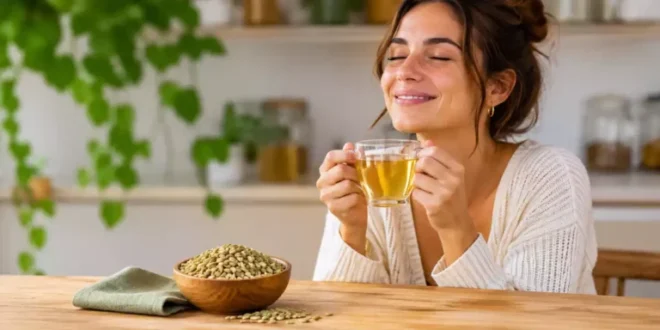


Fennel (Foeniculum vulgare) is an aromatic plant of Mediterranean origin whose fruits, commonly known as seeds, stand out for their essential oil content, particularly trans-anethole.
In nutrition and food supplementation, fennel stands out for its traditional use associated with digestive well-being, the expulsion of gas and abdominal comfort. In addition, its bulb is a versatile vegetable that provides dietary fibre and various micronutrients.
What is fennel and what is its composition?
Fennel is a herbaceous plant belonging to the Apiaceae family (Apiaceae), alongside anise, celery and cumin.
Although its bulb is mainly consumed as a vegetable, its fruits are the part of the plant most commonly used in the preparation of herbal infusions and food supplements due to their concentration of bioactive compounds.
The main components of fennel include:
- Essential oil rich in trans-anethole: an aromatic compound responsible for much of its characteristic aniseed flavour. It also contains fenchone and estragole in varying proportions.
- Flavonoids and phenolic compounds: plant-derived substances that include derivatives of quercetin, kaempferol and various phenolic acids.
- Dietary fibre and micronutrients: found particularly in the fresh bulb, which provides vitamin C, potassium and small amounts of other nutrients.
The composition of fennel may vary depending on the botanical variety, growing conditions and extraction method used.
What is fennel used for and what are its properties?
Fennel is traditionally used primarily in the context of gastrointestinal comfort. Its fruits and preparations obtained from them have attracted scientific interest due to the biological activity of the compounds present in its essential oil.
Supporting digestive tract health
Fennel has traditionally been used to accompany the digestive process, particularly after large or difficult-to-digest meals.
Consuming it as a herbal infusion is one of the most common ways for people interested in digestive well-being to incorporate this plant into their dietary routine.
Traditional use of fennel and abdominal comfort
Fennel stands out for its traditional use as a carminative plant, a term used to describe substances that promote the expulsion of intestinal gas.
Various preclinical studies have also investigated the spasmolytic activity of its extracts on the smooth muscles of the gastrointestinal tract.
The European Medicines Agency (EMA) lists these traditional uses in its monographs on herbal medicinal products, although it notes that the available clinical evidence is limited.
Comfort during the menstrual cycle
Fennel also has a long history of traditional use associated with women’s well-being during menstruation.
Some studies have investigated the relationship between its bioactive compounds and the relaxation of uterine smooth muscle.
However, this is an area in which further scientific evidence is still needed.
The traditional uses listed in the EMA monographs relate to herbal medicinal products and do not constitute authorised health claims for food supplements.

Ways to consume fennel: bulb, seeds and extract
Fennel can be incorporated into our diet in various ways, from consuming it as a vegetable to using concentrated preparations in the form of food supplements.
The choice of format will depend on the intended purpose of consumption and the concentration of plant compounds you wish to incorporate.
| Format | Characteristics | Common use |
|---|---|---|
| Fresh bulb | Low calorie content, fibre and micronutrients. | Salads, creamy soups and side dishes. |
| Seeds | Presence of essential oils and phenolic compounds. | Herbal infusions and culinary seasoning. |
| Dry extract | Concentration of certain plant compounds. | Food supplementation. |
- Fresh bulb in cooking: it has a crunchy texture and a characteristic, slightly aniseed flavour. It can be eaten raw or cooked and is an interesting way to increase the variety of vegetables in our diet. Its aromatic compound profile differs from that of the fruits, so it should not be considered equivalent to a seed extract.
- Fennel seed infusion: one of the most traditional ways to consume this plant, particularly after meals. It is prepared using whole or lightly crushed seeds. However, the amount of compounds extracted may vary depending on the water temperature, infusion time and characteristics of the raw material. In addition, some components of its essential oil have low water solubility.
- Dry fennel extract in capsules: obtained through controlled extraction processes that concentrate certain components of fennel fruits. This format offers greater convenience and allows the precise amount of extract consumed to be determined. When the extract is also standardised for certain bioactive compounds, it is possible to determine the amount of these compounds provided per dose.
How to take fennel as a food supplement
Fennel as a food supplement can be taken with main meals, always following the daily dose and directions for use indicated by the manufacturer.
If you wish to incorporate it into a routine focused on digestive well-being, taking it shortly before or immediately after meals may be a practical option, although an optimal time of intake has not been scientifically established.
Fennel extract can also be combined with other ingredients commonly used in digestive supplement formulations:
- Ginger: an aromatic plant containing gingerols and shogaols, widely used in food and traditional herbal medicine.
- Digestive enzyme complexes: formulations that may include amylases, proteases and lipases, among other enzymes.
- Green anise: a plant belonging to the same botanical family as fennel, with which it shares certain aromatic compounds.
- Mint: an aromatic plant commonly used in herbal infusions and plant-based preparations.
These combinations bring together ingredients with different characteristics, although their combined use does not necessarily imply a demonstrated synergistic activity.
How to choose the best fennel extract supplement?
When choosing a fennel-based food supplement, it is important to pay attention to the information provided on its label.
Not all plant extracts have the same characteristics or provide an equivalent concentration of their components.
Part of the plant used
It is advisable to choose a supplement that clearly specifies both the botanical species (Foeniculum vulgare) and the part used to produce the extract.
Fennel fruits, commonly referred to as seeds, are one of the main sources of its aromatic compounds.Extraction ratio
The extraction ratio indicates the relationship between the amount of plant raw material used and the amount of extract obtained.
For example, a 20:1 fennel extract indicates, when referring to the native extract, that 20 parts of plant raw material have been used to obtain one part of extract.
500 mg of 20:1 fennel extract is equivalent to 10,000 mg of plant raw material used in its production.
A high ratio allows for a concentrated and convenient format. However, it does not in itself guarantee a higher concentration of anethole or greater efficacy.
It is therefore also worth checking whether the manufacturer specifies the standardisation of the extract and carries out checks on its composition.Vegetable capsules and composition
Other aspects to consider include:
- Use of vegetable capsules, such as those made from hydroxypropyl methylcellulose (HPMC).
- Formulas without unnecessary ingredients.
- Allergen information.
- Suitability for vegan and vegetarian diets.
- Quality and safety checks on raw materials.
- Information on the absence of genetically modified organisms (GMOs), where applicable.
Fennel Extract 20:1 by HSN
If you are looking to incorporate fennel into your diet in a convenient and practical way, HSN offers a vegetable capsule format that allows you to include this plant ingredient in your daily routine without having to prepare herbal infusions.
- Extract from Foeniculum vulgare fruits.
- 20:1 extraction ratio.
- Standardised to 50% essential oil and 1.95% trans-anethole.
- Convenient vegetable capsule format.
- Suitable for vegans and vegetarians.
- Discover Fennel Extract 20:1 100mg by EssentialSeries now.
Does fennel have any contraindications or side effects?
Fennel is a plant commonly consumed as part of the diet. However, the use of concentrated preparations and food supplements requires certain precautions, particularly due to the natural presence of estragole in its seeds.
Estragole is an aromatic compound naturally present in various plant species, whose safety profile has been subject to scientific assessment.
Taking into account the recommendations of the European Medicines Agency (EMA) regarding fennel medicinal preparations and the general precautions applicable to food supplements, particular attention should be paid to the following groups:
- Pregnancy and breastfeeding: its use as a food supplement is not recommended due to insufficient safety data and possible exposure to estragole.
- Minors: supplementation with fennel extracts without supervision from a healthcare professional is not recommended.
- People with allergies: individuals with hypersensitivity to fennel or other plants in the Apiaceae family, such as celery, anise, coriander or cumin, should avoid consuming it.
- People taking medication: it is recommended to consult a healthcare professional beforehand.
Possible reported adverse effects include allergic skin and respiratory reactions.
Furthermore, the European Food Safety Authority (EFSA), in its draft assessment published in July 2025, highlighted the importance of minimising exposure to estragole, particularly among the most vulnerable population groups.
In any case, it is recommended to follow the manufacturer’s consumption instructions and avoid unnecessarily prolonged use of concentrated fennel preparations.
Food supplements should not be used as a substitute for a varied and balanced diet and a healthy lifestyle.
Bibliographical references
- European Medicines Agency (EMA). European Union herbal monograph on Foeniculum vulgare Miller subsp. vulgare var. vulgare, fructus.
- Badgujar SB, Patel VV, Bandivdekar AH. Foeniculum vulgare Mill: A Review of Its Botany, Phytochemistry, Pharmacology, Contemporary Application, and Toxicology. Biomed Res Int. 2014;2014:842674. DOI: 10.1155/2014/842674.
- European Food Safety Authority (EFSA). Estragole in fennel seed preparations. Draft risk assessment. 2025.
Related posts
- Properties and health benefits of ginger
- DigeZyme® Digestive Enzyme Complex
- Causes of abdominal bloating and how to relieve it
- Comparison of the best bacterial strains at HSN