 Fitness, Nutrition, Health and Sports Blog In the HSNstore Blog you will find tips about Fitness, sport in general, nutrition, and health – HSNstore.com

Today we’ll check out the potential of Spirulina as a natural alternative to control cholesterol
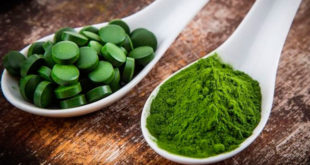
Spirulina is an alga usually sold as a nutraceutical product with a wide range of properties: it works as an immunomodulator, powerful antioxidant, anticancer agent, antiviral, and cholesterol-lowering agent. And for the vegan crowd, it’s a protein source.
That’s why it’s known as a “superfood.”
Cholesterol and vascular problems
We know that episodes caused by vascular damage (heart attacks, strokes, and infarctions in general) are among the main causes of morbidity and mortality in developed countries.
Most of the time, these conditions develop due to the formation of fibrin tissue and atherosclerotic plaques (formed from cholesterol buildup in vessel walls), caused by an excess of low-density lipoproteins in the bloodstream.
And even though you can’t absolutely label LDL cholesterol as bad and HDL cholesterol as good, since different fractions of both can be beneficial or harmful.
What are statins?
The first-choice medical treatment to improve dyslipidemia (abnormal lipoprotein concentrations) is statins.
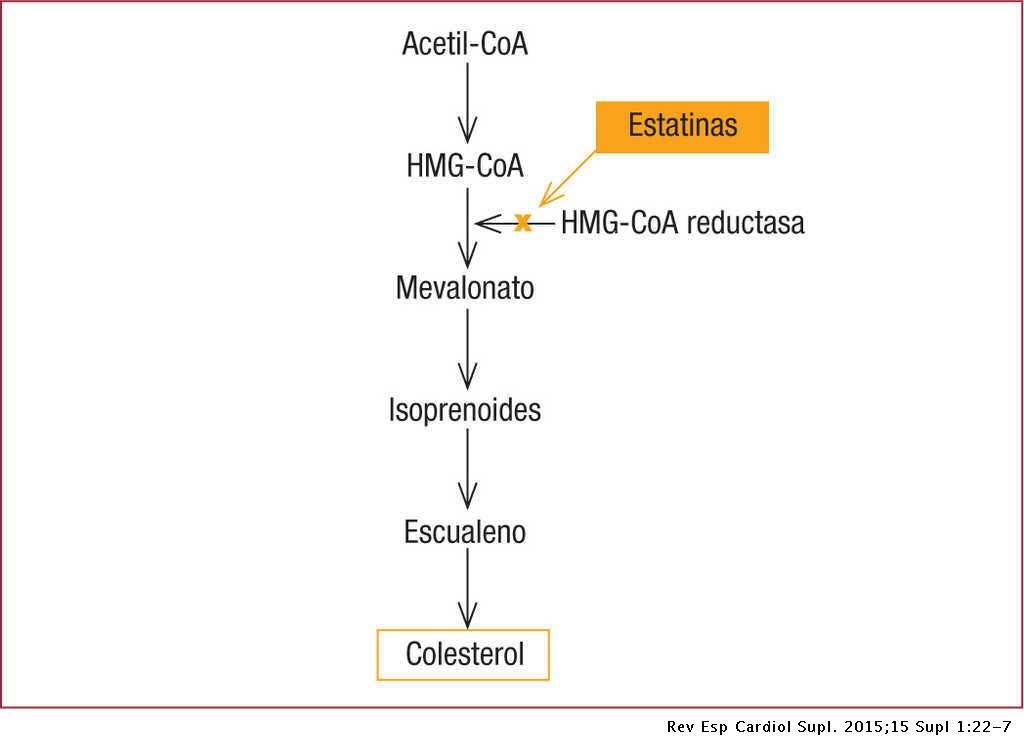
Figure I. Mechanism of action of statins
Statins are a type of drug known as HMG-CoA reductase inhibitors, meaning they block this enzyme’s action, limiting the body’s own cholesterol synthesis as shown in the image above.
This causes VLDL and LDL lipoproteins to drop in plasma, while HDL increases due to physiological needs by boosting reverse cholesterol transport.
Side effects
However, statins’ safety has been widely questioned, since despite being a commonly used and “safe” drug, they’re not free from side effects like:
- rhabdomyolysis (rare);
- Myalgia (up to 10% of users);
- Mitochondrial dysfunctions due to coenzyme Q10 depletion in the body.
To avoid myalgia, it’s been suggested that supplementing with CoQ10 could be a valid strategy, also taking advantage of the fact that supplementation is needed to replenish the depletion caused by statins. However, Buettner et al. (2015) showed that CoQ10 supplementation only slightly reduces statin-induced myalgia.
Spirulina to reduce cholesterol
Spirulina acts as a reducer of “bad” cholesterol, but we don’t know its exact mechanism of action
Still, it’s been hypothesized that its cardioprotective properties are based on:
- reducing oxidative stress;
- increasing endothelial nitric oxide synthesis;
- reducing LDL oxidation;
- inhibiting growth of smooth muscle cells in blood vessels;
- modulating insulin resistance; and
- lowering blood pressure (Huang et al., 2018).
These authors conducted a systematic review with a meta-analysis (meaning a collection of available studies; the highest level of evidence) concluding that:
…variable administration of between 1 and 19 grams of spirulina daily, for 2 to 24 weeks is an effective treatment for dyslipidemia…
Quite a wide range, right? Let me explain that better.
Scientific evidence: Spirulina and Cholesterol
Since Huang et al., 2018 published a meta-analysis, they analyzed a total of 1,868 potentially valid articles, which after applying inclusion criteria were narrowed down to 12 articles analyzing 807 participants.
Each article used different methods, doses, timing, and durations. To assess the magnitude, we have Huang et al.’s (2018) statistical analyses.
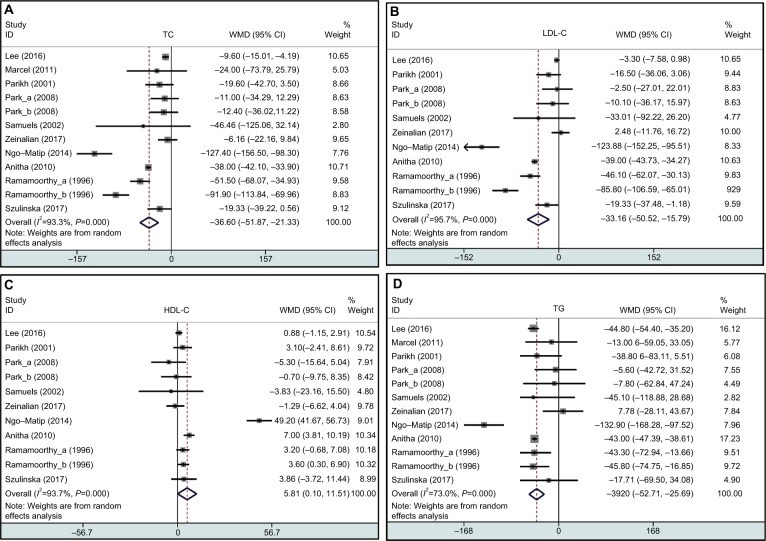
Figure II. Effects of variable spirulina doses, in interventions of variable duration on total cholesterol (A); LDL cholesterol (B); HDL cholesterol (C) and Triglycerides (D). (Huang et al., 2018)
Spirulina consumption caused the following changes in participants’ lipid profiles:
- Box A shows total cholesterol,
- B shows LDL cholesterol (low density),
- C shows HDL cholesterol (high density),
- and D shows triglycerides.
Each “row” inside the boxes is a study analyzed; on the right, we see the WMD, which is the average change in the marker analyzed, along with its range; and the % weight of the article.
In the center, there’s a 0 dividing the two halves of the box; all boxes to the left of this line indicate a decrease in the marker, those to the right indicate an increase; and the white diamond projecting a dashed red line shows the average magnitude.
To get it better, boxes A, B, and D should show white diamonds to the left; and box C to the right of point 0; which they do, ideally.

Figure III. Effects of variable spirulina doses, in interventions of variable duration on vLDL cholesterol (expressed as mean and effect size range, as well as significance). (Huang et al., 2018)
- reduces total cholesterol (-36.60 mg/dL), LDL cholesterol (-33.16 mg/dL), and triglycerides (-39.20 mg/dL);
- while increasing HDL cholesterol (5.81 mg/dL).
It also reduces vLDL cholesterol (8.02 mg/dL)
The authors divided effects for better understanding into consumption < and > 2 g/day; duration < and > 12 weeks; as well as control used (no intervention and placebo) and a sensitivity analysis.
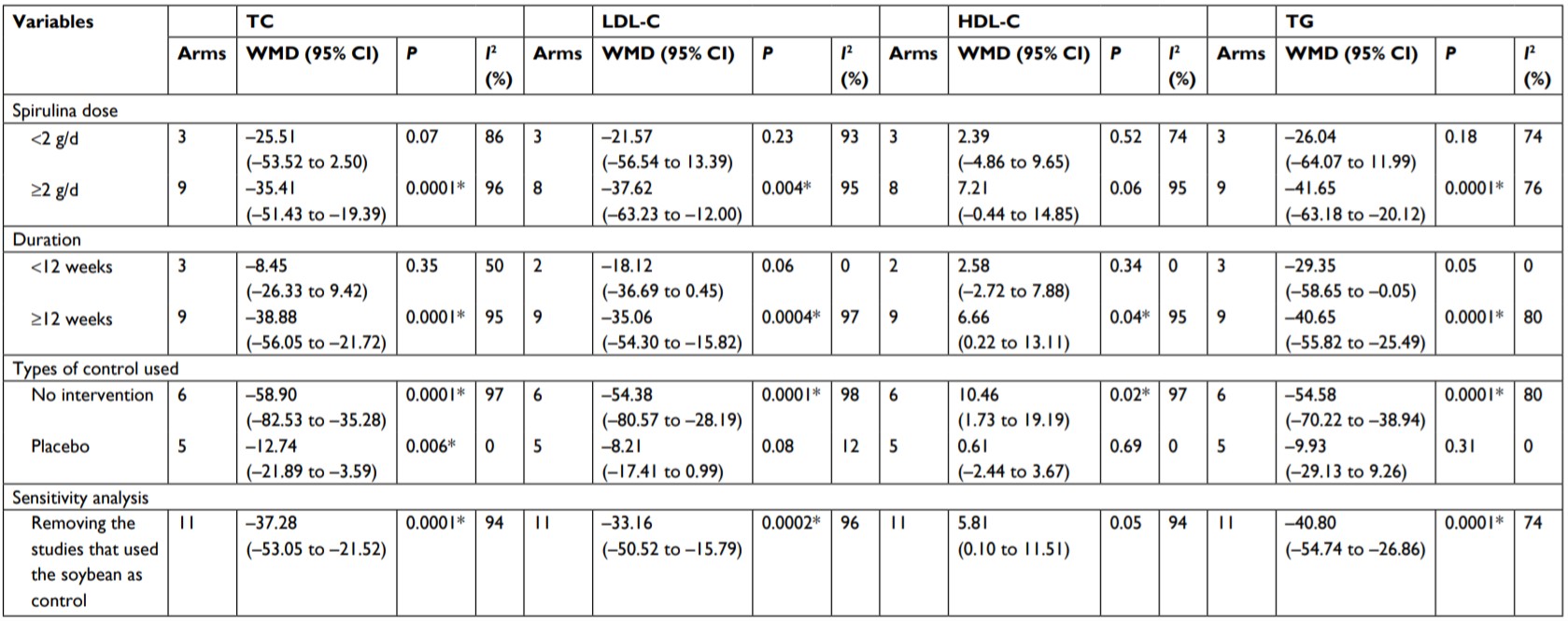
Figure IV. Effects of spirulina consumption, stratified by dose (</> 2 g/d), duration (</> 12 weeks), type of control used (no intervention/placebo) and sensitivity analysis (removing studies that used soy as control), on total cholesterol (TC); LDL cholesterol (LDL-C); HDL cholesterol (HDL-C) and Triglycerides (TG). (Huang et al., 2018)
The most interesting results for us are those shown in the rows for “spirulina dose” and “duration”.
Conclusions
At usual doses, statins can reduce:
- LDL cholesterol by 20 to 50%;
- Triglycerides by 10 to 20%; and
- Increase HDL cholesterol by 5 to 10%.
Magnitudes similar to those shown by Spirulina
References
- Huang, H., Liao, D., Pu, R., & Cui, Y. (2018). Quantifying the effects of spirulina supplementation on plasma lipid and glucose concentrations, body weight, and blood pressure. Diabetes, Metabolic Syndrome and Obesity: Targets and Therapy, 11, 729–742.
- Karkos, P. D., Leong, S. C., Karkos, C. D., Sivaji, N., & Assimakopoulos, D. A. (2011). Spirulina in clinical practice: evidence-based human applications. Evidence-Based Complementary and Alternative Medicine: ECAM, 2011, 531053.
- Ramkumar, S., Raghunath, A., & Raghunath, S. (2016). Statin Therapy: Review of Safety and Potential Side Effects. Acta Cardiologica Sinica, 32(6), 631–639.