Fitness, Nutrition, Health and Sports Blog In the HSNstore Blog you will find tips about Fitness, sport in general, nutrition, and health – HSNstore.com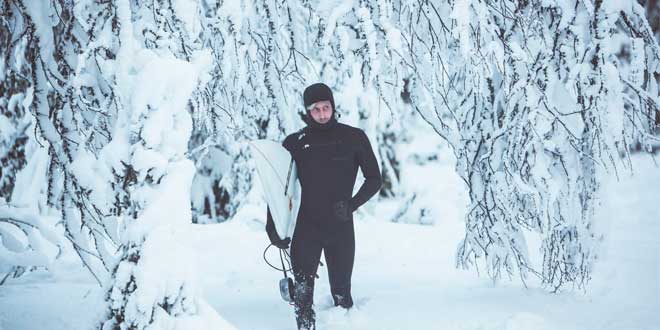

Ambient temperature, whether extreme cold or scorching heat, is one more factor to consider as a key part of competitions like mountain trail running, triathlons, or obstacle races.
Even though the climate in the peninsula isn’t really a big deal in this regard, many athletes face the challenge of cold when competing in other places like northern Europe. Countries like Germany, the UK, or Sweden, among others, have a strong tradition in competitions where weather conditions can be pretty harsh. This extra hurdle can make all the difference in how your abilities develop compared to local competitors.
This article shares some tips and recommended techniques to build cold tolerance and the physiological adaptations needed to boost performance in these kinds of races.
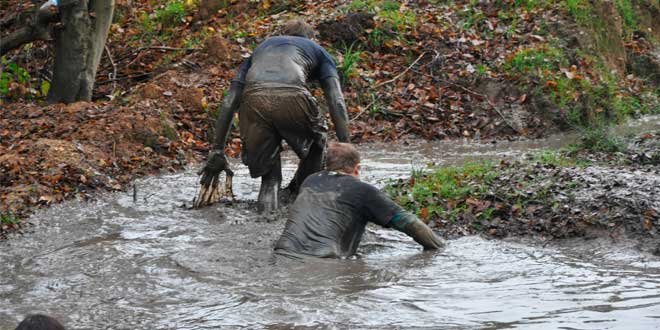
Tips to get used to the cold
1. Train in low temperatures
One of the easiest ways to get used to cold temps while running is to face it head-on: run or train in low temperatures wearing as little clothing as possible.
For this kind of cold training, it’s important to consider the acclimation process before exercise. To avoid injuries and maximize training efficiency, a good physical warm-up should be done, just like before a race. During this warm-up, you can wear an extra layer and take it off right before training. As in competitions, warming up your body before exercise is key during training.
One of the biggest challenges for this acclimation training is the time of year you plan to do it. Good planning is essential to make the most of autumn and winter.
2. Cold water
Getting used to the cold through water doesn’t mean you have to swim in a lake with ice chunks floating around you. Water from an outdoor pool, lake, or river with temperatures similar to what you expect can be a perfectly reasonable option.
There’s no exact method to adapt your body, nor a rule about whether to use a wetsuit or not. You can experiment with different ways to build cold tolerance for your race. Some ideas include:
- Start with short cold baths and gradually increase the time spent in the water.
- Begin with partial immersions and eventually submerge your head and stay underwater for a while.
- Mix periods of stillness in the water with short movements or exercises.
- Create a routine that helps stress your body. For example, get fully in the water and get out repeatedly.
- Challenge yourself and do these baths with a buddy to make it more competitive and fun.
If you don’t have access to cold water spots, you can also train by taking cold baths or showers. In fact, during cold adaptation, hot water might disappear from your routine. You should only use it after a long immersion to help your body return to its normal temperature.
Cold water training is usually very effective, making you feel more confident and less stressed by cold conditions as you adapt. Still, like with any practice that could risk your health, be careful. Start conservatively and build your cold tolerance from there. Have someone with you who can help if needed, and of course, if your skin turns blue or white, get out of the water immediately.
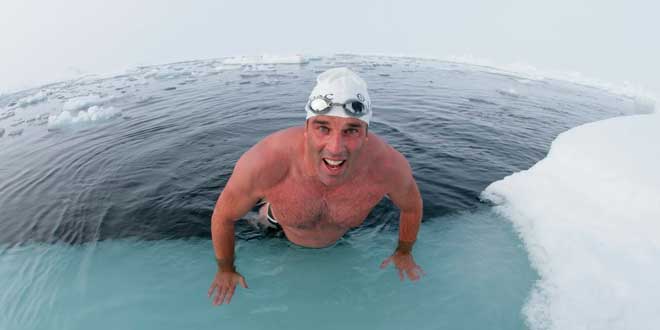
3. Mindset
Getting used to cold temps is partly a mental process. Cold puts your body under stress, but that doesn’t mean you lose control.
When you go out to train in the cold or get into cold water, stay calm, pause, and try to feel that the cold isn’t that bad. You might realize it’s not as harsh as you thought. Don’t scream or complain about the cold, and if you shiver, focus on stopping it and feeling your body acclimate.
Try to ignore the cold. If your hands are cold, there’s no need to warm them up. Just let them get used to it. Remember, the most important parts of your body are your organs, which stay warm, so your skin can handle a bit of the challenge.
Benefits of Cold Water
1. Increases running speed
Running in cold conditions trains your body to use oxygen more efficiently. This lets you boost your running speed.
2. Helps burn fat
Calorie burning can be higher in cold situations since your body uses more energy to stay warm.
3. Strengthens the immune system
Staying active during winter is the best defense against colds and seasonal flu. Regular cold training can reduce flu risk by stimulating your immune system.
4. Improves performance:
Recent studies show the ideal temperature for marathon performance is under 5º. However, you need to acclimate your body to take advantage of this. Cold training helps develop greater tolerance to these temps so your body can benefit from the conditions.
5. Reduces stress:
Cold showers or baths boost circulation, leading to a more relaxed body state that’s also more ready to tackle tasks.
Related Posts
- Risks of Cold Exposure”
- Must-Know Tips for Winter Cycling
- Hydration Strategies for Endurance Athletes in Winter