Fitness, Nutrition, Health and Sports Blog In the HSNstore Blog you will find tips about Fitness, sport in general, nutrition, and health – HSNstore.com

Back in 2004, a documentary called “Super Size Me” premiered in the US, and it was even nominated for an Oscar for Best Documentary that year. The main guy, Morgan Spurlock, spent 30 days eating only McDonald’s menus. In just one month, he gained 11 kg (which took him 14 months to lose), went through mood swings, sexual dysfunction, and liver damage. But keep in mind, Spurlock was living a pretty sedentary life.
Well, a project dreamed up by a group of students from the Faculty of Physical Activity and Sport Sciences at the University of Castilla-La Mancha decided to shoot a counter-documentary to Super Size Me. This new film is called “Super Train Me” and follows the same rules as its predecessor, but adds physical exercise to measure the impact of sport.

The subject and preparation
For this, they picked David Moronta, 36 years old and a student at this faculty. David competes worldwide in judo kata, and was chosen because his age was similar to the American film’s protagonist and also because, as an athlete, his body was more used to high-protein diets.
To carry out the project, they set up a strict daily sports training program and surrounded themselves with medical experts to closely monitor progress.
Protocol
The subject had breakfast, lunch, dinner, and snacks exclusively at McDonald’s for 30 days while continuing to exercise. He consumed around 4,000 kcal, all from burgers, sodas, fries, ice cream…
- Unlike Spurlock, Moronta trains a total of two intense hours per week (30 min, four days a week) plus a fifth day dedicated to stretching, also for half an hour.
- On the three days without intense physical activity scheduled, he chose to do active rest (walking, going out dancing, doing house chores, or forcing himself to walk to get the food).

Assessment and monitoring
Three tests were done: an initial one, a mid-test on day 15, and a final one to compare results. These tests included:
- Measurements of blood pressure, electrocardiogram, weight and height, blood tests, among others.
- Three tests on physical, metabolic, and psychological-emotional levels.
David said that, without a doubt, the toughest part was the psychological challenge due to the lack of variety and having to force himself to finish every plate (yeah; junk food gets tiring too).
Goal
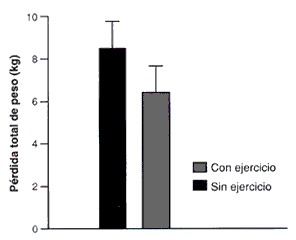
The main goal is to show that the world is way too sedentary. People focus on food and magic weight-loss fixes, but eating healthy isn’t enough, and actually, with just a little exercise time, we can achieve way more than obsessing over calories.
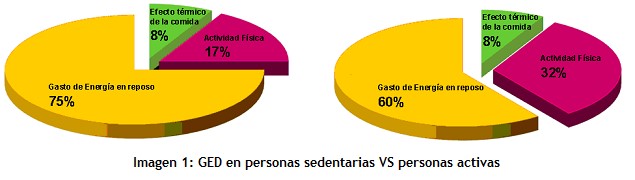
With a basic daily exercise plan, you can counteract the effects of an overly caloric diet. Plus, living a non-sedentary life is key to reaching goals, and even more important, keeping them over time. In this regard, it’s been shown that energy expenditure from physical activity outside the gym makes up most of the total daily energy expenditure (TDEE).
The documentary had its pre-premiere on March 29 in Madrid. We hope it will soon be shown in as many cinemas as possible because it’s truly enriching and something we can all learn from. I’m definitely not missing it.
Sources
- Official Twitter account: @SuperTrainMe
- Benito PJ et al. (2012) Nutrition and physical activity programs for obesity treatment (PRONAF study): methodological approach of the project. BMC Public Health. 21;12:1100.
- Poehlman ET, Denino WF, Beckett T, Kinaman KA, Dionne IJ, Dvorak R, Ades PA. (2002). Effects of endurance and resistance training on total daily energy expenditure in young women: a controlled randomized trial. J Clin Endocrinol Metab. 87(3):1004-9.
- Poirier, P.; Després, JP. (2001). Exercise in weight management of obesity. Cardiol Clin. 19(3):459-70.
- Tuner et al. (2010) Nonprescribed physical activity energy expenditure is maintained with structured exercise and implicates a compensatory increase in energy intake. Am J Clin Nutr ;92:1009–16.