Fitness, Nutrition, Health and Sports Blog In the HSNstore Blog you will find tips about Fitness, sport in general, nutrition, and health – HSNstore.com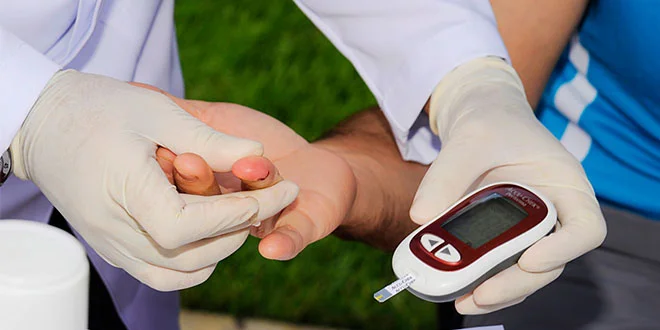

Which markers matter when assessing the changes exercise causes in the body?
Why track Biochemical Training Markers?
It’s becoming more common (and smart) for amateur athletes to ask for tests and check-ups before starting any physical activity or to see how their body reacts and evolves with that activity—blood and urine tests, stress tests, anaerobic tests, etc.
My buddy Powerexplosive and I will try to give a quick rundown of the most important ones, so anyone interested in these tests knows what to look for when checking the results.
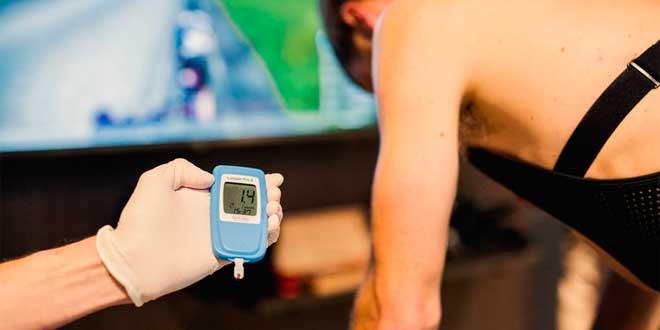
Effects of exercise
We start from the idea that each type of exercise causes specific changes in the body, which can be tracked through certain biochemical markers. These markers help us keep a closer eye on our training and avoid working out blindly.
That doesn’t mean the changes in the body are the only goal of training, but they serve as feedback on how effective the training is, giving us an idea of the effects of the exercises used in sports practice.
Info on biochemical training markers
The real goal of biochemical monitoring is to check the changes caused by training, such as:
- Assessment of training load.
- Evaluation of recovery processes.
- Control of the effects of different training microcycles.
- Verification of adaptive changes in the body during training periods and over a whole year of training.
- Diagnosis of overtraining.
Tools for biochemical training control
Metabolites and substrates measured in blood are the main way to control biochemically, although sometimes these markers can be measured in urine or saliva.
The attached table (Bosco, 2000) shows the main ones.
| Metabolites | Origin | Possible training control area |
| Lactate | End product of glucose or glycogen breakdown | *Determination of anaerobic threshold.*Index of intensity for anaerobic-glycolytic or anaerobic-aerobic exercises.*Index of anaerobic work capacity utilization. |
| Ammonia | Result of FG fiber degradation in AMP. Possible additional source of branched-chain amino acid oxidation. | *Index of ATP resynthesis through combining two ATP molecules and forming AMP.*Indirect index of FG fiber activity. |
| Urea | End product of protein (amino acid) breakdown. | *Index of prolonged aerobic physical exercise effect.*Index of recovery processes. |
| Tyrosine | Protein degradation, mainly in muscle tissue. | *Index of muscle protein catabolism intensity. |
| 3-Methylhistidine | Product of myofibrillar protein degradation (myosin, actin). | *Index of contractile protein turnover.*Check of training effect in strength and power training sessions. |
| Alanine | Product of combining NH3 groups (released in branched-chain amino acid oxidation) and pyruvate in muscles. | *Assessment of glucose-alanine percentage linking protein and carbohydrate metabolism in muscle energy production. |
| Leucine | Oxidizable branched-chain amino acid in muscles. | *Index of branched-chain amino acid metabolism. |
| Tryptophan | Precursor for neurotransmitter serotonin synthesis. | *Diagnosis of central fatigue and a central mechanism related to overtraining. |
| Glutamine | Essential amino acid for optimal function of various tissues and normal immune activity. | *Diagnosis of fatigue and overtraining, mainly used to identify possible info on immune activity changes. |
| Free fatty acids | Product of lipolysis (breakdown of triglycerides in adipose tissue). Used by muscles as substrate for oxidation. | *Determination of lipid use as oxidative substrate (blood free fatty acid concentration is proportional to their oxidation use). |
| Glycerol | Product of lipolysis. Used in the liver for gluconeogenesis. | *Assessment of lipolysis intensity in adipose tissue. |
| Glucose | Normal blood constituent. Supplied by the liver. | *Index of carbohydrate use.*Metabolic control factor. |
Lactate as a training marker
It’s basically linked to assessing anaerobic exercise and identifying thresholds (anaerobic and aerobic), especially when gas comparison equipment isn’t available.
Goal
The goal of measuring lactic acid presence—being the end product of anaerobic glycolysis—is to define its contribution to energy production during exercise, tracking energy metabolism evolution and providing a semi-quantitative estimate to establish anaerobic energy production contribution.
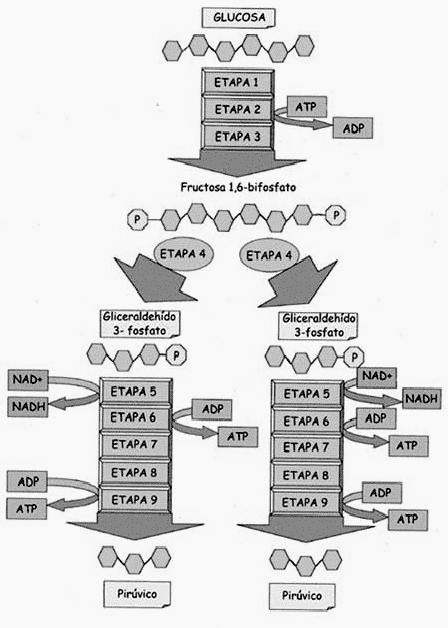
This is related to the conditions leading to lactate formation and its fate
Exercise intensity and Lactate formation
Low intensity
At low exercise intensities, pyruvate formed during glycolysis is easily oxidized, with little to no lactate formation.
Aerobic threshold
When exercise intensity goes above the aerobic threshold, lactate formation increases, but bicarbonate and other buffers keep it under control.
Anaerobic threshold
However, when exercise intensity rises above the anaerobic threshold, the imbalance between pyruvate formed and pyruvate oxidized causes lactate formation to skyrocket.
Lactate recycling
But in anaerobic exercises, we can’t give 100% precise data on energy produced by anaerobic glycolysis just by measuring accumulated lactate, since muscle fibers with higher oxidative capacity (ST or FTa) may oxidize some lactate within the muscle.
Actually, “blood lactate level expresses the balance between lactate moving from muscles into the bloodstream and lactic acid returning from blood to its metabolic use site in oxidation” (Bosco, 2000).
Mainly in ST fibers of resting or moderately active muscles, myocardium, or in gluconeogenesis (in the liver).
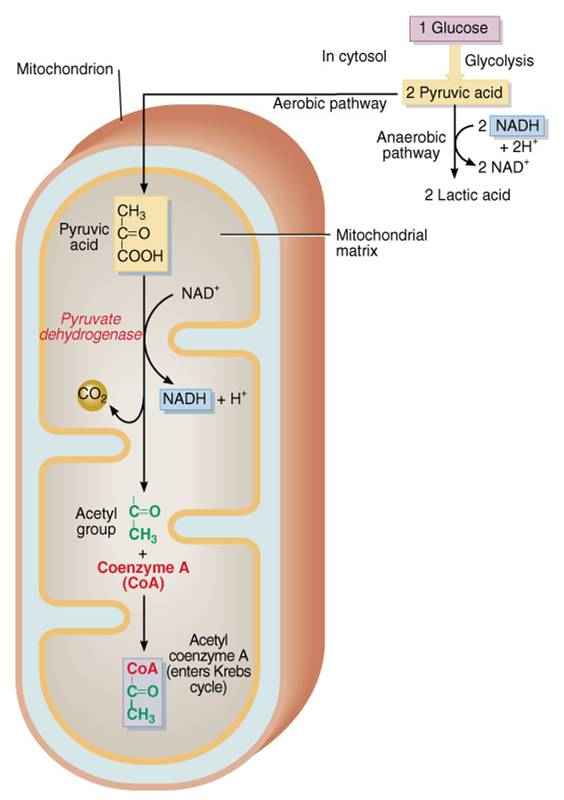
At higher intensity exercise, lactate appearance exceeds its disappearance in a curvilinear way (Calderón, 2012)
Sources
- BOSCO, Carmelo. (2000). Muscle strength: methodological aspects. Ed. INDE
- CALDERÓN, Javier. (2012). Human physiology: application to physical activity. Ed. Médica Panamericana.
- NORTEY-CRUZ, Carmen, DÍAZ-BACALLAO, Niurka. Behavior of biochemical exercise markers in female volleyball during a training macrocycle. Rev. Cub. Med. Dep. & Cul. Fís. 2011; Vol 5, Num 3.
Related posts