Fitness, Nutrition, Health and Sports Blog In the HSNstore Blog you will find tips about Fitness, sport in general, nutrition, and health – HSNstore.com

Two types of starches
For starches in carbs to be absorbed and enter the bloodstream, they need to be converted into glucose. Digestive enzymes (mainly α-amylases) do this job.
A starch grain is made up of two molecular components: amylose (more resistant to digestion) and amylopectin (easier to digest). The ratio of amylose to amylopectin essentially determines the physicochemical nature of starchy foods and their nutritional effects on the human body.
- Cereal starches usually contain between 15 and 28% amylose, but some corn varieties have less than 1% (like waxy corn, whose extracts are used in the food industry as thickeners).
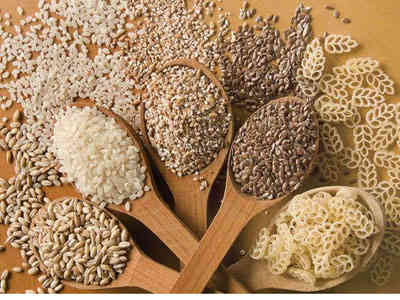
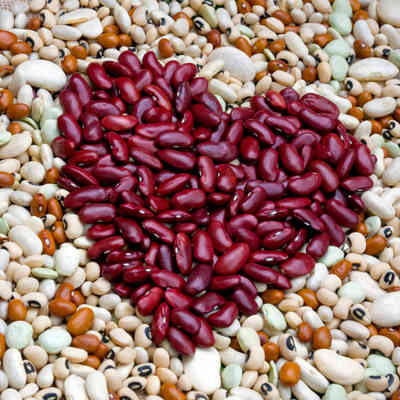
- Starches from tubers (called starches), like potatoes, have much less amylose than you might think (between 17 and 22%). On the other hand, legume starches (lentils, beans, chickpeas) contain much more amylose (between 33 and 66%).
Parameters that influence the glycemic index GI:
1. The amylose-amylopectin ratio
When starch is heated in excess water (cooking), its structure changes, starch grains swell progressively, and a fraction of amylopectin detaches into the water. If heating continues, a fraction of amylose also releases into the water.
The result is more or less viscosity in the food. This is the phenomenon of starch gelatinization. The lower the amylose proportion, the greater the gelatinization and vice versa. In other words, α-amylase enzymes absorb it more easily, making it more likely to convert into glucose, so blood sugar tends to rise more (higher GI).
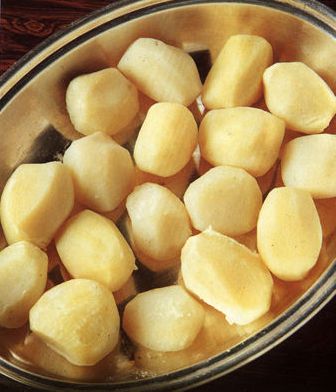
On the flip side, if the amylose proportion is high, there’s less gelatinization, so starch won’t convert as much into glucose and its glycemic index will be lower.
This explains why potatoes, which have a very low amylose rate, have a high glycemic index. Meanwhile, legumes have a very low glycemic index and contain lots of amylose.
“Waxy” corn (known as waxy maize) practically contains no amylose. It’s often used to thicken fruit jellies or texture canned or frozen foods. On food labels, it appears as corn starch. Its glycemic index is very high (close to 100), contributing to blood sugar spikes in all industrial culinary products where it’s present. In sports supplements, it’s known as “Waxy maize” (corn amylopectin).
2. The type of heat treatment and “pasta-making”.
Hydration and heat increase a food’s glycemic index. For example, raw carrot has a glycemic index of 20. But once boiled, its index rises to 50 due to starch gelatinization.
Similarly, when corn kernels pop into popcorn or rice grains puff up, the initial glycemic index increases by 15 to 20%.
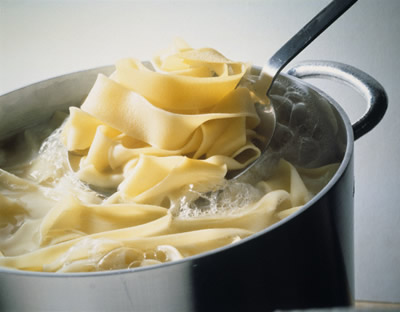
There’s also a natural technical process that slows starch hydration: “pasta-making” of durum wheat. This pressure process causes heating that forms a protective layer, slowing starch gelatinization during cooking.
But what works for spaghetti, macaroni, noodles, etc., which are “pasta-made,” doesn’t apply to ravioli, lasagna, or even fresh pasta. So, from the same flour, you get products with glycemic indexes that can vary so much they double (fresh pasta 70, spaghetti 40).
Also, home cooking right before eating will change the final glycemic index. Cooking “al dente” (6-7 minutes) keeps spaghetti’s glycemic index at its lowest, while longer cooking (over 15 minutes) raises the GI.
3. Retrogradation: the reverse process of gelatinization
Once starch is cooked and gelatinized, cooling changes it again. Gradually, the gel reorganizes amylose and amylopectin macromolecules, returning to its previous molecular structure. Retrogradation increases over time and as temperature drops.
Prolonged storage at low temperature (5°) of starchy foods (vacuum-cooked dishes) promotes retrogradation. That’s why spaghetti (even white) cooked al dente and then cooled for salad has a glycemic index of 35.
The same happens by letting certain foods dry out. For example, the harder the bread, the more retrogradation happens because moisture escapes. The same goes for toasted bread.
Related to this, it’s clear that steaming, which involves less hydration than boiling, causes less gelatinization (= lower GI).
4. Protein, fiber, and fat content
In some carbs, natural protein content can reduce starch hydrolysis (digestion), thus lowering the glycemic index. This is true for cereals:
- Pastas with gluten slow down digestive amylases, further limiting glucose absorption.
- Fiber content in starch can act as a barrier to amylase action, further lowering GI.
- Fats, due to slow digestion, reduce the glycemic index of foods they accompany.
5. Ripeness and aging degree
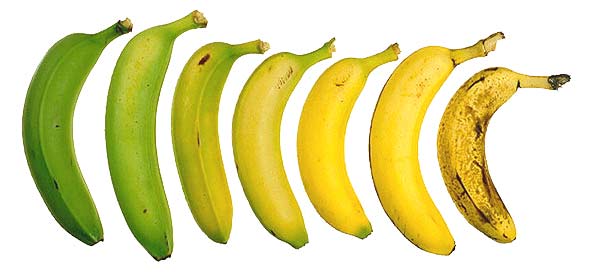
Fruits change their glycemic index depending on ripeness. A green banana, for example, has a pretty low glycemic index (around 40), but when fully ripe, its glycemic index is much higher (65) because its starch has converted from amylose to amylopectin.
6. Particle size
When a starchy food is ground, starch particles get finer, making chewing and digestion easier, which raises its glycemic index.
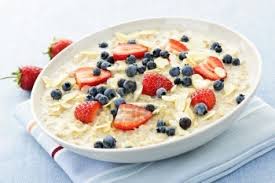
This is exactly the case with cereals when turned into flour. So, rice flour has a higher GI than whole rice (the same goes for oats and oat flour).
*Example:
| NUTRIENTS | Whole rye bread (100g) | Traditional white bread (100g) |
| Proteins | 12g | 8g |
| Lipids | 2.5g | 1g |
| Carbs | 60g | 74g |
| Fibers | 10g | 3g |
| Water | 15.5g | 14g |
| Particle size | Coarse | Fine |
| Glycemic index | 40 | 70 |
Some final tips to lower GI
- Cook pasta al dente.
- For foods high in amylopectin (boiled potatoes, boiled carrots, microwaved foods, etc.), it’s best to chill them in the fridge before eating.
- Toast sliced bread.
- Pair high-GI meals with healthy fats.
- Choose organic and whole foods, plus less ripe fruits.
- Avoid foods (like cold cuts) with significant corn starch content for preservation.
- Consider the total glycemic load of the food (see Javier Colomer link).
Sources
- Foster-Powell K, Holt SH, Brand-Miller JC. International table of glycemic index and glycemic load values: 2002. Am J Clin Nutr. 2002 Jul;76(1):5-56.
- Penaforte FR, Japur CC, Pigatto LP, Chiarello PG, Diez-Garcia RW. Short-term impact of sugar consumption on hunger and ad libitum food intake in young women. Nutr Res Pract. 2013 Apr; 7(2):77-81. doi: 10.4162/nrp.2013.7.2.77. Epub 2013 Apr 1.
- Venn BJ, Green TJ. Glycemic index and glycemic load: measurement issues and their effect on diet-disease relationships. Eur J Clin Nutr. 2007 Dec; 61 Suppl 1:S122-31. Review.
- http://nutritiondata.self.com/topics/glycemic-index (last visited July 24, 2013)
- http://www.montignac.com/en/search-for-a-specific-glycemic-index/ (last visited July 24, 2013)