Fitness, Nutrition, Health and Sports Blog In the HSNstore Blog you will find tips about Fitness, sport in general, nutrition, and health – HSNstore.com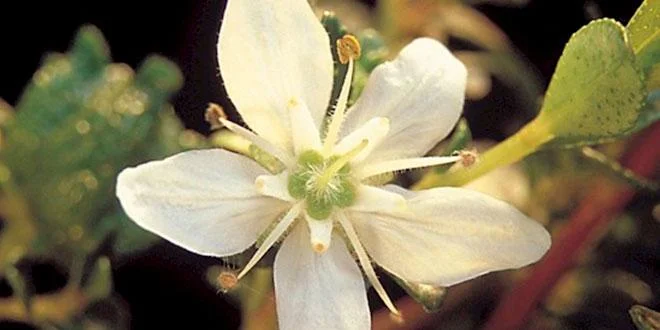

Buchu belongs to the Rutaceae family and includes several species of the Agathosma genus. However, only Agathosma betulina is known as the true buchu, and this is the only buchu species that should be taken internally. Buchu is also known as Bookoo, buku, Diosma, bucku, and buco.
Common Uses
Applied topically: as an antiseptic for cleaning wounds.
Taken internally: relieves mild urinary tract infections. It’s used to treat minor digestive disorders and ease symptoms of coughs and colds.
Buchu is one of the best-known medicinal plants from the South of Africa. The leaves and oil of this pleasantly scented herb have been used for centuries as an antiseptic and to treat digestive and urinary tract problems, such as cystitis, urethritis, prostatitis, and gout. It’s also been used for yeast infections and leucorrhea.
The shrubs grow about two meters tall, with small, shiny, dark green leaves rich in sebaceous glands, giving them a strong smell and therapeutic properties. The plants have small star-shaped white flowers. The plant’s smell and taste are described as spicy, similar to blackcurrant, like a mix between rosemary and mint.
The medicinal use of this plant is part of the Khoisan cultural heritage, who chew the leaves to relieve stomach issues and mix the leaves with sheep fat as an ointment to heal wounds. It was introduced to the first European settlers at the Cape as a digestive tonic. Buchu was first exported to Europe as a medicine in the early 1800s.
Buchu leaves contain 1.5% to 3.5% volatile oil. Over 100 components exist in the oil, including diosphenol (the main component of distilled oil, also called buchu camphor, Barosma camphor or 1 pulegone-), limonene, methone, pulegone, terpinen-4-ol, and p-mentan 3-on-8-thiol (responsible for the plant’s aroma).
Flavonoids include diosmetin, quercetin, diosmin, quercetin-3,7-diglucoside, and rutin. Other components include compounds like mucilages, resin, thiamine, and sulfur. Coumarins have been recorded in other Agathosma species.
Diuretic / Anti-inflammatory
Buchu remains a popular ingredient in herbal diuretic preparations and diuretic supplements. Despite the lack of evidence, buchu is still used today in Western herbal medicine for urinary tract ailments, cystitis or urethritis, prophylaxis, and prostatitis.
It’s also used in combination with other herbs like corn silk, juniper, horsetail, and bearberry. Buchu Essential Oil promotes the elimination of unwanted substances such as toxins like uric acid, excess salts, excess water, and fat by increasing urination, both in frequency and volume.
This also helps keep urinary tracts and kidneys clean and free from infections. The active components of buchu include volatile oils diosphenol, pulegone, and isomenthone. Its diuretic and anti-inflammatory properties are probably due to the irritating nature of these volatile oils and flavonoids it contains (rutin, diosmin, hesperidin, and quercetin and its derivatives).
Dosage
There’s no recent clinical evidence to establish an effective buchu dosage. Typically, classic doses are 1 to 2 g of leaves daily.
Warnings
- A dose that’s too high can cause stomach upset or diarrhea and damage the liver due to its potentially hepatotoxic effects.
- Buchu, being a diuretic, can lower potassium levels in the body, so make sure to eat potassium-rich foods like bananas.
- Pregnant or breastfeeding women should consult a doctor before using this herb or any other diuretic.
- This plant should not be used in young children.
Supplements containing Buchu
- Animal Cuts by Universal Nutrition
- Extreme Cut Ripped Drainer by Gold Nutrition