 Fitness, Nutrition, Health and Sports Blog In the HSNstore Blog you will find tips about Fitness, sport in general, nutrition, and health – HSNstore.com

To lose weight in a healthy way, you don’t need to starve yourself, follow strict diets, or anything like that. The smartest move is to add a bit of physical exercise and a bunch of healthy eating habits to your life.
One of the most common mistakes when dieting is that once it’s over, the weight goes back up. This happens because habits haven’t changed, only the instructions of a diet written on paper were followed. The key to losing weight is changing some eating habits, which will make you forget about diets once and for all because you won’t need them anymore.
Remember: It’s better to lose weight slowly in a safe and lasting way than to do strict diets that aren’t healthy and only help you lose weight temporarily.
1. Plan your meals
 Eating should be organized because that way you’ll not only be aware of what you consume and how much, but you’ll also avoid letting improvisation mess up your weight loss plan.
You can start by making a shopping list. Your shopping list should include variety and healthy foods, including seasonal fruits and veggies rich in vitamins, minerals, and fiber, fish, legumes, lean meats, eggs, nuts, etc.
Avoid foods and drinks high in refined sugars like industrial pastries, sweets, sodas, and processed foods. Plan everything you’re going to eat each day with their respective amounts (including breakfast, mid-morning, and snacks). Always cook just enough. This is super important. Portions should be weighed. Besides saving money, you’ll avoid eating more than you need.
With good planning of your eating habits, everything will be way easier. If you also keep meal times, you’ll avoid feeling hungry and therefore control what you eat better, plus your digestive system will work more efficiently.
2. Have breakfast every day
As we know, breakfast is the most important meal of the day. After going 8 hours without eating overnight, your body needs the fuel to kickstart your metabolism and give you energy for the rest of the day.
People who eat breakfast have a better ability to focus and perform better throughout the day. In the long run, breakfast eaters maintain a healthy weight and tend to consume fewer calories during the day. Also, breakfast eaters are less prone to sudden blood sugar changes, which often push people to eat carb-rich and fatty foods like cookies and pizza.
A good breakfast should provide about 25% of your total daily calories. Don’t forget to add fruits, slow-absorbing carbs without fat like whole grains or bread, and proteins.
3. Eat 5-6 meals a day
 Eating every three hours offers great benefits for your body, like enjoying higher levels of energy, reducing appetite, and boosting metabolic functions.
Your body works hard to digest and absorb the food you eat, which keeps your metabolism running all the time. You’ll also avoid catabolism when many hours pass between meals and maintain a constant and higher supply of nutrients and a better absorption of food.
Indeed, the body has a maximum capacity to absorb nutrients at once, so when you eat a lot in one sitting, it’s very likely that much of that food won’t be absorbed and ends up wasted.
4. Add protein to every meal
Make sure every small meal includes protein because, as you know, an optimal protein intake promotes muscle tissue maintenance and growth, which in turn increases metabolic rate. Protein also causes a greater feeling of fullness than other foods, and its digestion requires more energy expenditure than other nutrients due to its thermogenic effect.
5. Drink 2 liters of water every day
 A well-hydrated body is a healthy body. Half of your body is water, but it’s lost every day through sweating, urine, and metabolism.
It’s very important to help your body get rid of toxins and regularly detox because these accumulate in our body due to environmental pollution, chemical additives in food, electromagnetic pollution, stress, among other factors.
Water plays a role in the metabolism of the food we consume. Drinking 1.5 L of water daily for a year can help lose 2 Kg without any other changes. Drinking water with meals can help control appetite and increase the feeling of fullness.
6. Control simple carbs
We know there are two types of carbs: complex and simple.
Complex carbs (starches) are slowly absorbed by our body, causing a slower and more moderate rise in blood glucose, which helps control blood sugar levels and provides long-lasting energy.
 On the other hand, simple carbs digest very quickly and enter the bloodstream within minutes, causing hyperglycemia, meaning a high concentration of sugar in the blood.
To counter this, our body produces a hormone called insulin, which moves sugar from the blood to the cells, overloading the cells’ energy production systems.
If we don’t burn that energy overload, the excess sugar turns into fat. That’s why we need to keep simple carbs (sugars) to a minimum, especially if we’re trying to lose weight.
That said, when dieting, watch out for sweets, industrial pastries, and especially watch out for juices and fruits! Although they’re very healthy and an excellent source of pure water, fiber, vitamins, and minerals, they also contain fructose, a sugar that easily turns into fat.
Control fruits and simple carbs, eat them early in the day or before exercising, since you’re more likely to use those sugars with daily activities.
7. Don’t think all fats are bad
Fats have a bad reputation overall. In recent years, there’s been a crusade against fats from all sides, making them the scapegoat for all society’s problems. There are different types of fats, and we need to know how to tell them apart and consider them because they’re necessary for the body to work well. Believe it or not, fat is part of us, and without it, our health can worsen.
The key is knowing there are good and bad fats, to ensure daily intake of the good ones and avoid the bad ones.
 “Bad” fats are saturated fats. They’re mainly found in meats, offal and derivatives (cold cuts, pâtés, lard, bacon, etc.), dairy and derivatives (cream and butter). These fats are the main dietary cause of increased LDL cholesterol (“bad cholesterol”) and cardiovascular problems. When checking a food label, pay close attention to the saturated fat percentage and avoid or limit any food with a high level. Saturated fats should be limited to 10% of daily calories.
Unsaturated fats are known as “good fats.” Within unsaturated fats, there are monounsaturated and polyunsaturated fats. These fats help lower blood cholesterol if used instead of saturated fats.
They also help reduce appetite due to their strong satiating effect. The best sources of unsaturated fats are olive oil, flax seeds, soy, canola, fish oils, and nuts. Even though these fats are very healthy, they’re calorie-dense, so consumption should be limited.
8. Increase your fiber intake
Fiber promotes a feeling of fullness, especially soluble fiber because it retains water, increases the volume of food in the stomach, and causes stomach distension, a signal the body interprets as fullness and that you should stop eating.
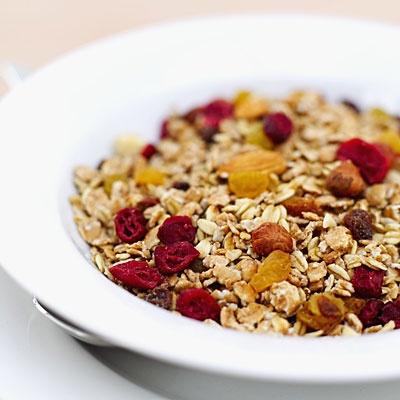 Fiber also delays gastric emptying, which has a very important consequence: nutrients will be absorbed slowly, avoiding glucose spikes.
Fiber also reduces cholesterol absorption by trapping it and eliminating it through feces.
Fiber stimulates peristaltic movements, increases bowel movements, and prevents constipation. It also helps prevent digestive system diseases like diverticulosis, diverticulitis, and research is increasingly exploring its role in colon cancer prevention, as it prevents carcinogenic substances from staying in contact with the intestinal lining for too long.
9. Watch your salt intake
One key to healthy eating is choosing foods low in salt and sodium. Most people consume more salt than they need. The current recommendation is to consume less than 2.4 grams (2,400 milligrams [mg]) of sodium per day. That’s about 6 grams (roughly 1 teaspoon) of table salt daily.
Excessive salt intake causes water retention, making you look bloated. Salt also raises blood pressure and can damage kidney function. One way to replace salt is by adding more spices to your food. Spices add no calories, aid digestion, and enrich dishes with aromas and flavors.
10. Avoid frying foods
 When we fry food, we usually use vegetable oils (olive, sunflower, etc.). In their raw form, these oils are very healthy, containing essential fatty acids and are rich in vitamin E, but when heated, they lose their healthy properties, meaning the healthy fats they have, which are so beneficial for the body, turn into trans fats.
Trans fats are very unhealthy fats that increase the risk of heart disease and clog arteries. The best way to cook food is steaming or grilling with just a few drops of oil.