 Fitness, Nutrition, Health and Sports Blog In the HSNstore Blog you will find tips about Fitness, sport in general, nutrition, and health – HSNstore.com



Saccharomyces boulardii is a live yeast that differs from bacterial strains due to its fungal nature, its resistance to the gastrointestinal environment and its insensitivity to antibacterial antibiotics. It has been studied particularly in relation to antibiotic-associated diarrhoea, the gut microbiota and the protective mechanisms of the digestive barrier.
What is Saccharomyces boulardii?
Saccharomyces boulardii is a single-celled yeast belonging to the species Saccharomyces cerevisiae, with physiological characteristics that distinguish it from other varieties of yeast.
It was first isolated in the 1920s by French scientist Henri Boulard during his research in Southeast Asia, from tropical fruits such as lychee and mangosteen.
Unlike many bacterial strains, it is not normally part of the human gut microbiota and does not permanently colonise the intestine. Its presence is temporary and gradually decreases once consumption is discontinued.
Its main characteristics include:
- Fungal nature: it is a yeast, not a bacterium.
- Resistance to the gastrointestinal environment: it can survive passage through the stomach and reach the intestine while remaining viable.
- Insensitivity to antibacterial antibiotics: these medicines do not act directly on yeasts.
- Temporary intestinal presence: it does not need to permanently colonise the intestine to interact with its environment.
How does it differ from other live microorganisms?
Live microorganisms include different types of microorganisms, notably bacteria and certain yeasts.
While lactobacilli and bifidobacteria are bacterial microorganisms, Saccharomyces boulardii belongs to the fungal kingdom. This difference determines some of its most relevant characteristics.
| Characteristics | Saccharomyces boulardii | Bacterial strains |
| Type of microorganism | Yeast | Bacterium |
| Natural presence in the human microbiota | Not normally present | Common in certain species |
| Sensitivity to antibacterial antibiotics | No direct sensitivity | Varies depending on the strain and antibiotic |
| Sensitivity to antifungal agents | May be sensitive | Generally not sensitive |
| Intestinal colonisation | Temporary | Varies depending on the strain |
What is Saccharomyces boulardii used for?
Saccharomyces boulardii is one of the most widely studied live yeasts in the field of gastroenterology.
Research has mainly focused on its interaction with the gut microbiota, the local immune response and various digestive system disorders.
Antibiotic-associated diarrhoea
Antibiotics can alter the composition of the gut microbiota, affecting both the bacteria responsible for an infection and other bacteria normally present in the intestine.
This alteration may contribute to the development of diarrhoea during or after treatment.
A meta-analysis published in 2015, which included 21 clinical trials and 4,780 participants, found that the administration of Saccharomyces boulardii reduced the incidence of antibiotic-associated diarrhoea from 18.7% to 8.5% in the populations studied.
This is one of the clinical applications with the strongest scientific support, although the results depend on the strain, formulation, population studied and treatment characteristics.
Acute diarrhoea
Certain preparations of Saccharomyces boulardii have also been investigated in episodes of acute diarrhoea of infectious origin.
Some studies have observed reductions in the duration of these episodes, although the results are not consistent and clinical recommendations vary depending on the population and context.
Interaction with the gut microbiota
Although Saccharomyces boulardii does not permanently colonise the intestine, it can interact with the microorganisms that make up the gut microbiota during its passage through the digestive tract.
The mechanisms investigated include:
- Interaction with certain intestinal bacterial populations.
- Influence on the metabolic activity of the microbiota.
- Modulation of the intestinal environment.
- Interaction with certain products of bacterial metabolism, such as short-chain fatty acids.
These mechanisms help explain the scientific interest in this yeast, although they do not necessarily imply complete or permanent restoration of the gut microbiota.
Intestinal barrier function
The intestinal barrier plays a fundamental role in separating intestinal contents from the body’s internal environment.
Various experimental studies have investigated the interaction of Saccharomyces boulardii with intestinal epithelial cells, particularly in relation to cellular tight junctions, mucin production and inflammatory signalling pathways.
These mechanisms continue to be investigated, particularly to determine their clinical relevance in humans.
Interaction with the immune system
A significant proportion of the body’s immune activity takes place in the intestine, where there is constant interaction between the microbiota, intestinal cells and the immune system.
In experimental studies, Saccharomyces boulardii has demonstrated the ability to interact with various mechanisms related to:
- The production of immunoglobulin A (IgA).
- The signalling of certain cytokines.
- The immune response of the intestinal mucosa.
These findings do not establish that its consumption generally strengthens the body’s defences or prevents infections.
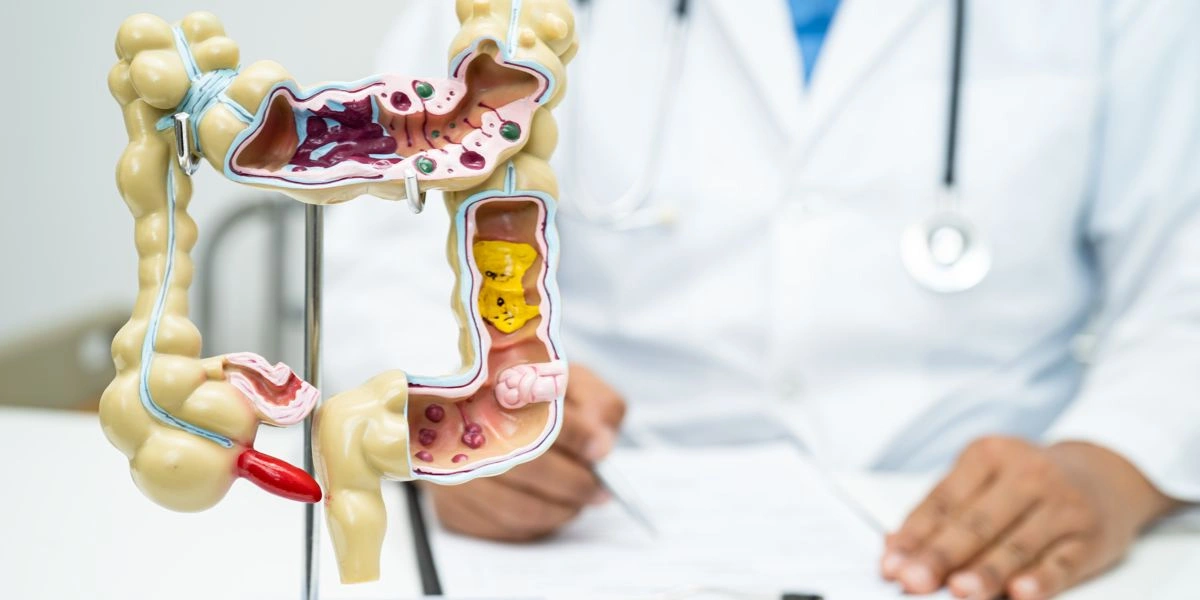
How does Saccharomyces boulardii work in the intestine?
The scientific interest in Saccharomyces boulardii lies in its various mechanisms of interaction with the gastrointestinal environment.
The most widely studied include:
- Interaction with microorganisms: its ability to interfere with the adhesion of certain bacteria to the intestinal epithelium has been investigated.
- Enzymatic activity: certain substances produced by this yeast may interact with some bacterial toxins under experimental conditions.
- Modulation of the inflammatory response: it may interact with various cellular signalling pathways related to inflammation.
- Interaction with the intestinal mucosa: its influence on the mechanisms involved in intestinal barrier integrity is being studied.
- Metabolic activity: it temporarily participates in the interactions that take place between microorganisms present in the intestine.
The existence of these mechanisms does not mean that all products made with this yeast have the same clinical effects.
Is Saccharomyces boulardii useful for irritable bowel syndrome?
Irritable bowel syndrome (IBS) is a disorder of gut-brain interaction that may manifest as abdominal pain, distension, gas and changes in bowel habits.
Given the relationship between the gut microbiota and IBS, various studies have evaluated the use of Saccharomyces boulardii in people with this disorder.
Some clinical trials have observed improvements in certain parameters related to quality of life. However, the results regarding abdominal pain, bloating and changes in bowel habits are not sufficiently consistent.
Can Saccharomyces boulardii be taken alongside antibiotics?
One of the main distinguishing features of Saccharomyces boulardii is that, because it is a yeast rather than a bacterium, it is not directly affected by the action of antibacterial antibiotics.
For this reason, from a microbiological perspective, it is generally not necessary to separate its administration from antibiotic intake by several hours, as may be the case with certain bacterial strains.
However, antifungal medicines may affect the viability of this yeast.
How to take Saccharomyces boulardii?
Saccharomyces boulardii is commonly available in capsule or powder formulations containing live microorganisms.
Its concentration is expressed in colony-forming units (CFU), a measurement used to quantify viable microorganisms capable of multiplying under suitable conditions.
When taking it, the following recommendations should be considered:
- Follow the recommended dose: follow the specific directions for use of each product.
- Avoid high temperatures: do not mix the contents of the capsules with very hot drinks or foods, as heat may affect the viability of the yeast.
- Store the product correctly: follow the temperature, humidity and storage conditions specified by the manufacturer.
- Assess the duration of consumption: adapt the period of use to individual needs and the intended purpose of consumption.
HSN’s Saccharomyces Boulardii 10B CFU
At HSN, we offer Saccharomyces Boulardii 10B CFU by EssentialSeries, a food supplement made with this yeast and enriched with vitamin A, in a convenient vegetable capsule format.
Each capsule provides 10 billion colony-forming units (10 × 109 CFU) of Saccharomyces boulardii.
Saccharomyces Boulardii 10B CFU
What makes our formula stand out?
- High concentration: 10 billion CFU per vegetable capsule.
- Guaranteed viability: microorganism concentration guaranteed throughout the product’s shelf life, provided that the storage conditions are followed.
- Controlled manufacturing process: designed to preserve the viability of the yeast.
- With vitamin A: contributes to the maintenance of normal mucous membranes and to the normal function of the immune system.
- Gluten-free and lactose-free.
- Suitable for vegans and vegetarians.
- Free from genetically modified organisms (GMOs).
Directions for use: take 1 vegetable capsule, twice a day, preferably on an empty stomach.
The daily dose provides a total of 20 billion CFU of Saccharomyces boulardii.
How long can you take Saccharomyces boulardii?
There is no universal duration of consumption for Saccharomyces boulardii, as this depends on the intended purpose of use, the product’s characteristics and individual circumstances.
Clinical studies have used varying administration periods, ranging from a few days to several weeks.
In healthy adults, there is no general need to establish breaks in consumption, although it should not be assumed that taking it indefinitely provides additional benefits.
If the reason for taking it is related to recurring digestive discomfort, it is important to assess the underlying cause with a healthcare professional.
Does Saccharomyces boulardii have any side effects?
In healthy adults, Saccharomyces boulardii is generally well tolerated when consumed according to the manufacturer’s instructions.
However, some people may experience discomfort such as:
- Gas.
- Abdominal distension.
- Mild digestive discomfort.
- Hypersensitivity reactions to any of the product’s ingredients.
If persistent discomfort or adverse reactions occur, it is recommended to discontinue consumption and consult a healthcare professional.
Who should not take Saccharomyces boulardii?
Although this yeast has a favourable tolerability profile in healthy adults, its consumption is not recommended for certain groups due to the risk of invasive fungal infections, including fungaemia.
The following groups should avoid consuming it:
- Immunocompromised individuals: particularly those with significantly weakened immune defences.
- Critically ill patients: especially those admitted to intensive care units.
- Individuals with central venous catheters: due to the risk of contamination and infection.
- Individuals with a yeast allergy.
In addition, people with serious illnesses or significant alterations to the intestinal barrier should consult their doctor.
Can Saccharomyces boulardii be combined with bacterial strains and prebiotics?
Due to its nature as a yeast, Saccharomyces boulardii can be included in formulations containing other microorganisms, such as lactobacilli and bifidobacteria.
It can also be combined with prebiotics, such as inulin or fructooligosaccharides (FOS), which serve as a substrate for certain microorganisms in the gut microbiota.
However, combining a greater number of microorganisms or ingredients does not necessarily guarantee better results. It is important to select each product based on its characteristics, the available scientific evidence and individual tolerance.
Bibliographical references
- Szajewska H, Kołodziej M. Systematic review with meta-analysis: Saccharomyces boulardii in the prevention of antibiotic-associated diarrhoea. Aliment Pharmacol Ther. 2015;42(7):793-801. View study.
- American Gastroenterological Association. AGA Clinical Practice Guidelines on the Role of Probiotics in the Management of Gastrointestinal Disorders. Gastroenterology. 2020. View clinical guidelines.
- Rannikko J, et al. Fungemia and Other Fungal Infections Associated with Use of Saccharomyces boulardii Probiotic Supplements. Emerg Infect Dis. 2021;27(8):2090-2096. View study.
- National Institutes of Health. Office of Dietary Supplements. Probiotics: Fact Sheet for Health Professionals. View information.
Related articles
- Comparison of the best bacterial strains
- How to prevent diarrhoea when travelling
- What is the role of bacterial strains in the body
- Discover the importance of maintaining a healthy gut microbiota.