 Fitness, Nutrition, Health and Sports Blog In the HSNstore Blog you will find tips about Fitness, sport in general, nutrition, and health – HSNstore.com

We explain what Obesogens are and what impact they have.
Cause of Obesity: just from overeating?
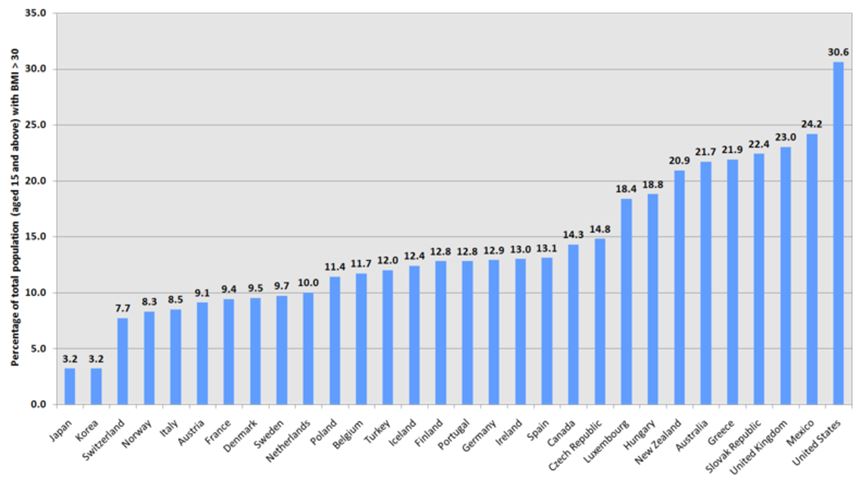
Overweight and obesity are well-known health issues that are very current and are increasing in society. In a world where 2.8 million adults die each year due to overweight or obesity, I think it’s necessary to tackle this problem from a different angle than just excessive food intake.
Obesogens are considered elements or chemical products that make us gain weight without us even realizing it…
Classification of Obesity
- Exogenous obesity: Obesity caused by excessive eating.
- Endogenous obesity: Caused by metabolic alterations, specifically linked to endocrine problems (hypothyroidism, hypogonadism).

Obesogens would be one of the causes of this type of obesity
What are Obesogens?
Since the early 21st century, the possibility that toxic environmental chemical agents could contribute to the rising frequency of obesity in the population has been considered. Baillie-Hamilton, in 2002, proposed one of the first hypotheses on the topic. Later, in 2011, a 3-year study was published exploring the role of exposure to these environmental chemicals in obesity, type II Diabetes Mellitus, and metabolic syndrome, showing a connection between them all.
Besides lifestyle changes, other factors are starting to be considered in the prevalence of obesity. These are called endocrine disruptors, and more specifically obesogens.
How Do Obesogens Affect Us?
Pregnant Women
There is evidence that during pregnancy, the mother’s exposure to obesogens makes the fetus more vulnerable to their effects, potentially causing a metabolic alteration that leads to greater fat cell formation than in children of unexposed mothers.

This is because the protective effects found in adulthood (DNA repair, competent immune system, detoxifying liver enzymes, etc.) are not fully functional during fetal and neonatal stages.
Children and Adolescents
Likewise, during childhood and adolescence, exposure to these chemical agents partly determines the number of fat cells we will develop in adulthood.

Examples of Obesogens
Without a doubt, the most well-known are:
- Bisphenol A (BPA), mainly found in plastic containers, tupperware, receipts, etc.
- Nicotine
- Fructose
- Monosodium glutamate, used as a sweetener and preservative.
Now it’s time to analyze the most common obesogens in today’s society and environment.
Genistein
Genistein is an isoflavone abundant in soy and its derivatives, foods that have recently gained popularity in Western diets as additives or components (tofu, soy lecithin, etc.). It has weak estrogenic activity and its chemical structure is very similar to estradiol, the main natural estrogen in humans.
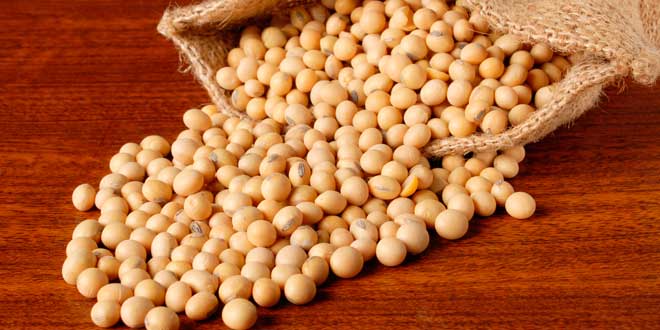
The beneficial effects of soy on blood flow have been demonstrated, but excess would cause the opposite effect. Consuming more than 25 g/day of soy-derived foods (or those containing soy traces) would disrupt estrogen receptors. Overall, given the widespread exposure to genistein in the general population and its proven fat-forming properties, this xenobiotic is a strong candidate as an obesogen in humans.

You might think: “…I don’t usually eat soy or its derivatives…” Well, I invite you to check the ingredients of packaged products, chicken cold cuts, turkey, sausages, burgers, spring rolls, and many more…
Bisphenol A (BPA)
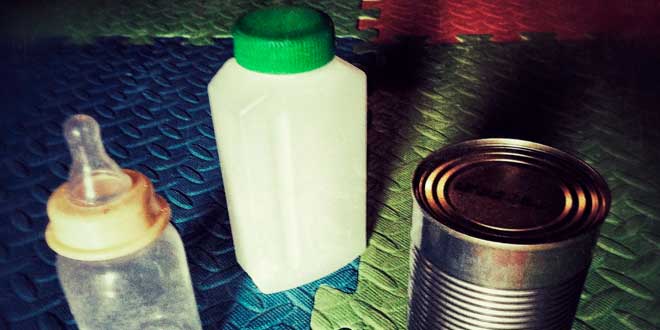
You’ve probably heard about the famous “BPA free” containers. Well, BPA, although unknown to most, is very relevant due to its widespread use in industrial and consumer products (tupperware, baby bottles, receipts, cans, shakers, packaging plastics…). You don’t need to ingest it; just contact with any of these products is enough to raise serum BPA levels.
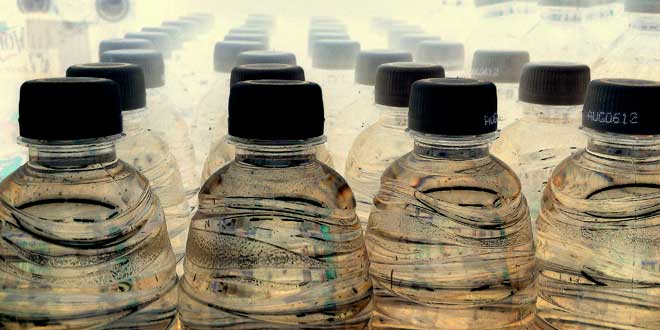
An epidemiological study in humans shows a clear correlation between serum BPA levels and the prevalence of obesity and type II Diabetes Mellitus.
Fructose
Scientists have demonstrated for the first time that fructose used in thousands of drinks and food products can damage human metabolism and is contributing to the obesity crisis. Fructose can cause fat cells to grow around vital organs (fatty liver), putting them at risk, and can trigger early stages of diabetes and heart disease.
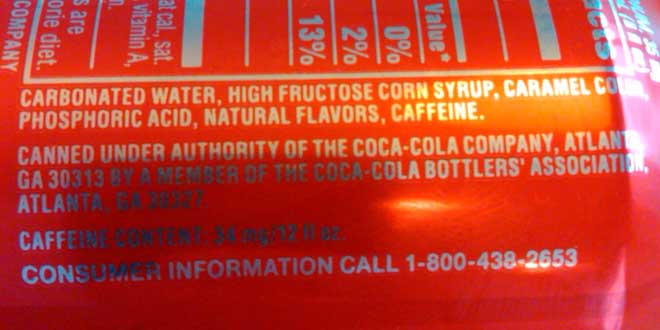
Metabolism converts fructose into active glycerol, which is directly used to turn fatty acids into triglycerides. All this happens in the liver, so energy storage from fructose can induce lipogenesis.
…it means you should avoid foods and drinks with fructose sweeteners, no matter how “healthy” they’re marketed. Examples include fructose-based jam, some energy drinks, high fructose corn syrup (HFCS), regular sugar, and some foods sold in miracle diets (e.g., Dukan) as “low sugar; sweetened with fructose”…
Monosodium Glutamate (MSG)
The food industry markets and uses MSG as a flavor enhancer. The problem is that hundreds of studies worldwide have shown MSG triples the amount of insulin the pancreas produces, causing type II Diabetes Mellitus and obesity problems. The US Food and Drug Administration (FDA) classified MSG as safe, and the European Union as a food additive; however, is this done for safety or interest?
Remember that glutamate is one of the main human neurotransmitters, and excess can cause addiction to those well-known burgers, soups, packaged meats, or sweetened yogurts that “taste so good.”
Do Obesogens Affect That Much?
Obviously, a person who exercises regularly and follows a healthy diet won’t be very affected by these chemical agents. On the other hand, exposure to these chemicals early in life can determine our estrogenic factors or the number of fat cells we develop in adulthood.

In “aesthetic” terms, which seems to matter a lot to society, they could make the difference between a fitness body and another. Also, some obesogenic effects can be passed on to future generations through epigenetic changes, without altering the actual genetic code.
How to Avoid Obesogens?
Strategies to stay away from them
- Eat reasonable portions.
- Choose the most natural and organic products possible.
- Avoid packaged and/or canned foods, as well as cold cuts.
- Filter your water.
- Don’t heat food in plastics that aren’t “BPA free” in the microwave.
- Choose, whenever possible, BPA free plastics for your containers (shakers, baby bottles, tupperware…).
I hope what I’ve shared makes you think a bit and shows your critical side instead of just accepting things. Also, I invite you to watch this documentary about obesogens.
Sources
- Baillie-Hamilton, PF. (2002) Chemical toxins: A hypothesis to explain the global obesity epidemic. J Alternat Complemen Med. 8:185-92.
- Giusti, RM.; Iwamoto, K.; Hatch, EE. (1995) Dietylstilbestrol revisited: a review of the long-term health effects. Ann Intern Med.122:778-88.
- Gluckmen, PD.; Hanson, MA. (2004) Developmental origins of disease paradigm: a mechanistic and evolutionary perspective. Pediatr Res.56:311-7.
- Grün, F.; Blumberg, B. (2006) Enviromental obesogens: orgnotins and endocrine disruption via nuclear receptor signaling. Endocrinology.147:S50-5.
- National Institutes of Health, Department of Health and Human Services (2011). Role of Environmental Chemical Exposures in the Development of Obesity, Type 2 Diabetes and Metabolic Syndrome (R01). National Institutes of Health [website].
- Pickering, AD.; Sumpter, JP. (2003) Comprehending endocrine disrupters in aquatic environments. Environ Sci Technol. 37:331.
- Goran, MI.; Dumke, K.; Bouret, SG.; Kayser, B.; Walker, RW.; Blumberg, B. (2013) The obesogenic effect of high fructose exposure during early development. Nat Rev Endocrinol. Aug;9(8):494-500.
- Lang, IA.; Galloway, TS.; Scarlett, A.; Henley, WE.; Depledge, M.; Wallace, RB. et al. (2008) Association of urinary bisphenol A concentration with medical disorders and laboratory abnormalities in adults. J Am Med Assoc. 300:1303-10.
- Masuno, H. et al. (2005) Bisphenol A accelerates terminal differentiation of 3T3-L1 cells into adipocytes through the phosphatidylinositol 3-kinase pathway. Toxicol Sci.84:319-27.
- Masuno, H. et al. (2007) Perinatal and postnatal exposure to bisphenol A increases adipose tissue mass and serum cholesterol level in mice. J Artheroscler Thormb.14:245-52.
- Flegal, KM. et al. (2010) Prevalence and trends in obesity among US adults, 1999–2008. JAMA 303(3):235–241.
- Hines, EP. et al. (2009) Phenotypic dichotomy following developmental exposure to perfluorooctanoic acid (PFOA) in female CD-1 mice: Low doses induce elevated serum leptin and insulin, and overweight in mid-life. Mol Cell Endocrinol 304(1-2):97–105.
- Newbold, RR. et al. (2007) Developmental exposure to endocrine disruptors and the obesity epidemic. Reprod Toxicol 23(3):290–296.
- Shi, Zumin, S. et al (2011). Monosodium glutamate is related to a higher increase in blood pressure over 5 years: findings from the Jiangsu Nutrition Study of Chinese adults. Journal of Hypertension:29:5.846–853
Related Posts
- Obesity Before Pregnancy and How It Affects the Fetus
- Childhood Obesity in Spain