 Fitness, Nutrition, Health and Sports Blog In the HSNstore Blog you will find tips about Fitness, sport in general, nutrition, and health – HSNstore.com
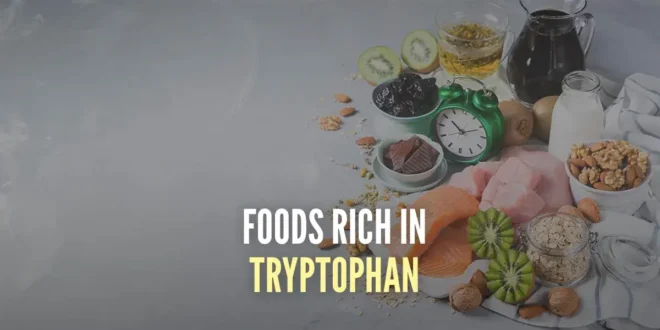

Tryptophan is that essential amino acid that always pops up in any serious chat about dietetics. If you haven’t paid attention to it until now, it’s time to change your habits, because there’s a lot at stake.
Precursor of the neurotransmitters serotonin and melatonin, as well as vitamin B3 or niacin, it’s a real “soother” for the central nervous system. That’s why it’s super important to include foods rich in tryptophan (click) in your daily diet.
An essential amino acid, but really essential
Essential amino acids are substances your body needs for basic functions and you have to get them through your diet, since your body can’t produce them.
L-tryptophan is one of the 8 essential amino acids in the human diet and the least abundant of them all. When it comes to crossing the so-called blood-brain barrier (BBB), it faces competition from other amino acids.
Sounds important, right? It sure is, but wait until you hear that its benefits don’t stop there, since it promotes restorative sleep thanks to stimulating melatonin, the neurotransmitter that regulates circadian rhythms and nighttime rest.
At the same time, serotonin controls appetite, helping balance carbohydrate intake, so when facing a diet, nothing beats eating foods high in tryptophan.
Plus, L-tryptophan helps build protein structures, regulates immune system function, helps prevent cardiovascular problems and certain cancerous tumors, acts as a painkiller, and stimulates growth hormone synthesis.

Now do you see why it’s a must-have in your shopping basket? Pick foods with tryptophan, invest in your health!
What are the natural sources of tryptophan?
| Spinach (594 mg) | Soy (575 mg) | Tuna (335 mg) | Oat flakes (335 mg) | Eggs (167 mg) |
| Pumpkin seeds (576 mg) | Cheese (571 mg) | Chicken/Turkey (404 mg) | Crab (330 mg) | Lentils (115 mg) |
Tryptophan content per 100 g
Nothing beats going to the experts to get the full scoop. For natural sources of L-tryptophan, we find it useful to check out the Nutrition Data website, a global nutrition reference since its launch in 2003.
Its goal is to provide nutritional info to the general public in a complete and unbiased way, as expected from a serious independent organization.
This site publishes info from the USDA National Nutrient Database of the United States Department of Agriculture along with informative brochures on tested products.
This database lists the main food sources containing tryptophan. Nutrition experts rank these prized culinary products at the top (in milligrams of tryptophan per 200-calorie serving):
- Game meat (746 mg)
- Raw spirulina algae (739 mg)
- Soy protein isolate (695 mg)
- Crispy chicken powder (673 mg)
- Low-fat sesame flour (659 mg)
- Dried spirulina algae (641 mg)
- Raw crab (607 mg)
- Soy sauce (603 mg)
- Chopped spinach (594 mg)
- Cooked halibut with skin (593 mg)
Although these foods are sources of tryptophan, the truth is many of them also contain other amino acids that might compete with tryptophan for absorption.

For this reason, the best way to boost your body’s tryptophan level is through high-quality tryptophan supplements.
How much L-tryptophan do bananas contain?
Tryptophan is an amino acid found in many high-protein dietary sources. Bananas contain tryptophan, and we’ve mentioned that in high doses, tryptophan is good for mood and promotes healthy sleep. But, do bananas have enough of this amino acid to actually feel its benefits?
Maybe you’re among the many people wondering what’s the best way to take L-tryptophan to improve sleep quality, that is, the right dose, when to take it, and where to get it (read more). You might also want to explore the myth about whether bananas make you sleepy.
Bananas aren’t just tasty, they support health in many ways! And contrary to what some think, their benefits go way beyond what they provide to gorillas (which probably has something to do with why they’re the strongest animals around).
Delicious, but not so rich in tryptophan!
The problem is bananas contain relatively small amounts of tryptophan, and you’d have to eat way too many for your body to notice the amino acid’s boost. How many? According to the USDA National Nutrient Database, a banana contains about 0.011 g of tryptophan.
What about tryptophan? It’s a highly valued amino acid used to build proteins and transformed into various substances inside the body, even if bananas don’t provide it in large amounts.
Here’s a tip: Take between 500 and 1000 mg of tryptophan in separate doses throughout the day. This way, you avoid the negative effects of a single, too-high dose. The result? Your melatonin level will rise, and you’ll enjoy restorative sleep.
Supplements, yes or no?
L-tryptophan supplements? YES! Now that you know which foods are richest in tryptophan, you’ll be glad to hear you don’t have to juggle your weekly diet to get all the tryptophan your body needs.
A super practical way to meet your needs is through tryptophan supplements. Easily and wherever you are, you can give your body this energy boost it’ll thank you for, making it very doable to hit the right dose.
Think you know all the benefits this product offers? Keep reading here in the next post
You don’t have to be a nutrition guru to know tryptophan is a fantastic amino acid for reaching that much-desired state of well-being. Trust in the benefits of this natural soother to lift your mood and flood you with energy, because you won’t want to hear about it from someone else!