Fitness, Nutrition, Health and Sports Blog In the HSNstore Blog you will find tips about Fitness, sport in general, nutrition, and health – HSNstore.com

Supplements for endurance sports are a really cool tool for athletes with high nutritional demands from their activity
Why take Supplements for Endurance Sports?
Endurance athletes go through high-volume training periods that can cause fatigue and muscle damage, affecting performance.
To get past this, athletes rely on nutritional info and supplements to boost performance, keep energy up for their sport, and help with recovery.
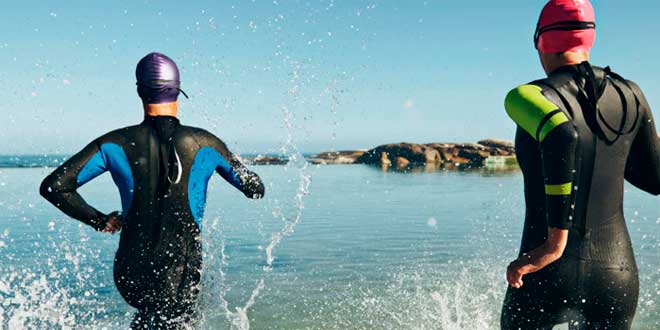
Energy Availability
Health pros need to be aware when giving sports nutrition advice because energy and macronutrient needs keep changing.
Periodized dietary recommendations should be developed based on:
- The athlete’s individual characteristics and preferences,
- The energy systems used,
- The muscle fiber types recruited for the sport event,
- The season phase,
- The training volume and intensity,
- And the training goal: fat loss, lean mass gain, strength and power improvements, or greater endurance capacity.
Keeping proper energy availability is vital for optimal health and exercise performance
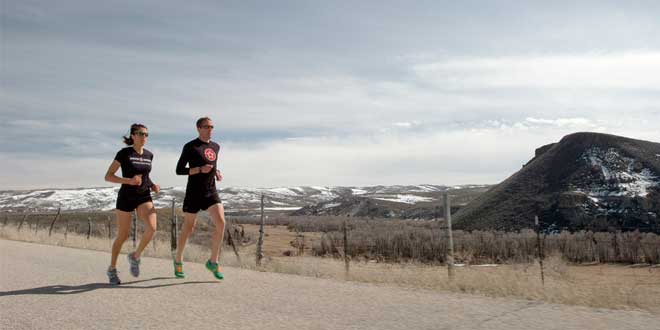
Carbohydrates
Proper glycogen stores are key for endurance athletes to offset fatigue symptoms and maintain performance levels.
Experts no longer recommend high-carb diets for competing athletes but suggest carb intake periodization depending on training session intensity, duration, and goals.
How many carbs to take during training?
Carb intake during training or competition lasting <60 min isn’t necessary.
However, exercise durations >60 min can benefit from carb intake
Glucose and fructose are absorbed by the gut, and combining them in sports products allows for better carb absorption.
Fats
Fat is an essential part of an athlete’s diet and shouldn’t be less than 20% of calorie intake.
Greater fat use as an energy source to spare limited glycogen stores can improve performance in ultra-endurance events.
Better fat oxidation can be achieved through training, like long low-intensity sessions, or dietary manipulation such as fasting, acute fat intake before exercise, and high-fat low-carb diets.
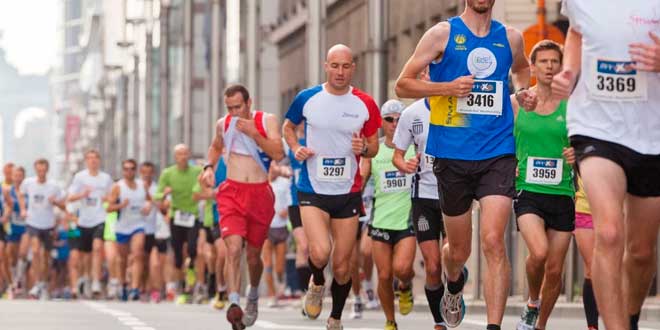
These strategies boost performance in very long-distance events
Proteins
Protein needs are higher for athletes and increase with high training volumes to maintain energy balance, protein balance, and muscle mass.
Better responses have been seen when consuming high-quality protein (rich in leucine) throughout the day.
Increased protein needs
Protein needs should consider the athlete’s goals and preferences and may increase with:
- Age,
- Those trying to lose body fat while maintaining,
- Or increasing lean mass, with hypocaloric low-carb diets and high training volumes.
Protein during exercise
Adding protein to a carb drink or gel during exhaustive endurance exercise reduces muscle damage markers 12 to 24h post-exercise and lessens muscle soreness.
So, a recommendation of 0.25 g protein/kg/h along with 30-60 g/h carbs can be made for endurance activities over 1 h.
Casein before bed
Also, consuming 30 to 40 g of casein protein before bed can boost muscle protein synthesis.
Fluids or Liquids
An optimal sports diet requires good hydration for thermoregulation and exercise performance.
Since fluid and electrolyte loss varies a lot between people, checking urine color and weighing before and after exercise (not exceeding 2% weight loss) are good ways to ensure proper fluid intake during training.
Sweat loss causes electrolyte loss
Micronutrients
A balanced diet with a variety of fruits, veggies, cereals, dairy, and lean protein sources should provide adequate micronutrients for most athletes.
Vegetarian or vegan athletes may need supplements of vitamin B12, iron, calcium, vitamin D, riboflavin, and zinc.
Beetroot Juice
Beetroot’s bioactivity is thought to come from its high nitrate concentrations and various phytochemicals.
Phytochemicals are plant-based substances, biologically active but not essential nutrients, that have positive health effects.
These compounds are found in concentrated beetroot juice, which has been shown to reduce oxygen consumption during submaximal exercise and improve performance in timed running and cycling tests.
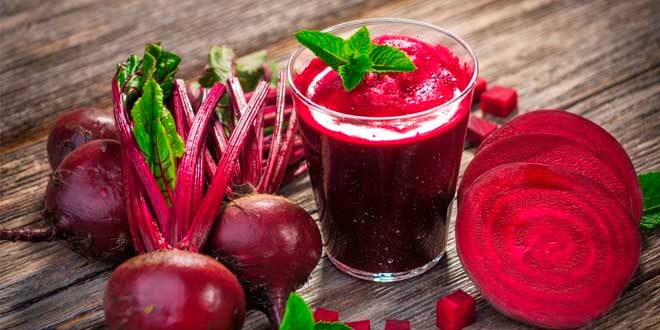
Nitrate effects
Most effects of concentrated beetroot juice are attributed to its high nitrate content, which converts to nitric oxide when ingested to improve muscle blood flow and oxygenation.
Peak blood concentration happens within 2 to 3 h after beetroot juice supplementation and performance benefits are seen 150 minutes after ingestion.
Caffeine
Caffeine is a common ergogenic aid for performance.
Because it’s so accessible and available in low-cost drinks like coffee and tea or supplements, it’s really effective.
Caffeine has multiple mechanisms of action, including:
- Increasing sodium and potassium activity,
- Increasing calcium release from the sarcoplasmic reticulum, and
- Other effects on the central nervous system.
These help reduce pain sensation and perceived fatigue.
Conclusions
Meeting energy needs
Athletes should consider their carb intake based on training goals and sport event to maximize performance and recovery.
During the endurance training phase, athletes may benefit from a low-carb high-fat diet to improve fat use and endurance capacity and reduce body fat.
But as the season progresses, high-carb diets should dominate since they allow better access to glycolytic energy pathways for the higher intensity efforts needed in most competitions.

Need for more protein
Endurance athletes require a higher daily protein intake and protein intake during and after exercise to maximize performance and recovery.
Performance supplements
Multiple supplements have shown performance-enhancing effects within dosing and timing ranges for endurance athletes.
References
- Bytomski, J. R. (2018). Fueling for performance. Sports Health.
- Domínguez, R., Cuenca, E., Maté-Muñoz, J. L., et al. (2017). Effects of beetroot juice supplementation on cardiorespiratory endurance in athletes. A systematic review. Nutrients.
- Naderi, A., de Oliveira, E. P., Ziegenfuss, T. N., Willems, M. T. (2016). Timing, optimal dose and intake duration of dietary supplements with evidence-based use in sports nutrition. J. Exerc. Nutrition Biochem.
- Thomas, D. T., Erdman, K. A., Burke, L. M., MacKillop, M. (2016). Position of the Academy of Nutrition and Dietetics, Dietitians of Canada, and the American College of Sports Medicine: nutrition and athletic performance. J. Acad. Nutr. Diet.
- Jäger, R., Kerksick, C. M., Campbell, B. I., et al. (2017). International Society of Sports Nutrition Position Stand: protein and exercise. J. Int. Soc. Sports Nutr.
- Kerksick, C. M., Arent, S., Schoenfeld, B. J., et al. (2017). International society of sports nutrition position stand: nutrient timing. J. Sci. Med. Sport.
- Rosset, R., Lecoultre, V., Egli, L., et al. (2017). Postexercise repletion of muscle energy stores with fructose or glucose in mixed meals. Am. J. Clin. Nutr.
- Jeukendrup, A. E. (2017). Periodized nutrition for athletes. Sports Med.
- McQuillan, J. A., Dulson, D., Laursen, P. B., Kilding, A. E. (2017). The effect of dietary ni- trate supplementation on physiology and performance in trained cyclists. Int. J. Sports Physiol. Perform.
- Clarke, N. D., Richardson, D. L., Thie, J., Taylor, R. (2017). Coffee ingestion enhances one-mile running race performance. Int. J. Sports Physiol Perform.
Related Posts
- How Much Protein to Take for Strength and Endurance Training?
- Effects of Caffeine in Endurance Sports
- Effects of BCAAs or Branched-Chain Amino Acids in Long-Duration Sports
- Iron Supplementation in Long-Distance Runners
- Ideal Timing to Take Creatine? Before or after training?