 Fitness, Nutrition, Health and Sports Blog In the HSNstore Blog you will find tips about Fitness, sport in general, nutrition, and health – HSNstore.com

You’ve heard all your life that drinking coffee isn’t the best for your health, and suddenly this! We can imagine your surprised face, but we’re here to explain it to you. In this case, no excuses because it really is what it seems: caffeine, before training, boosts sports performance. Let us tell you why.
Caffeine is power
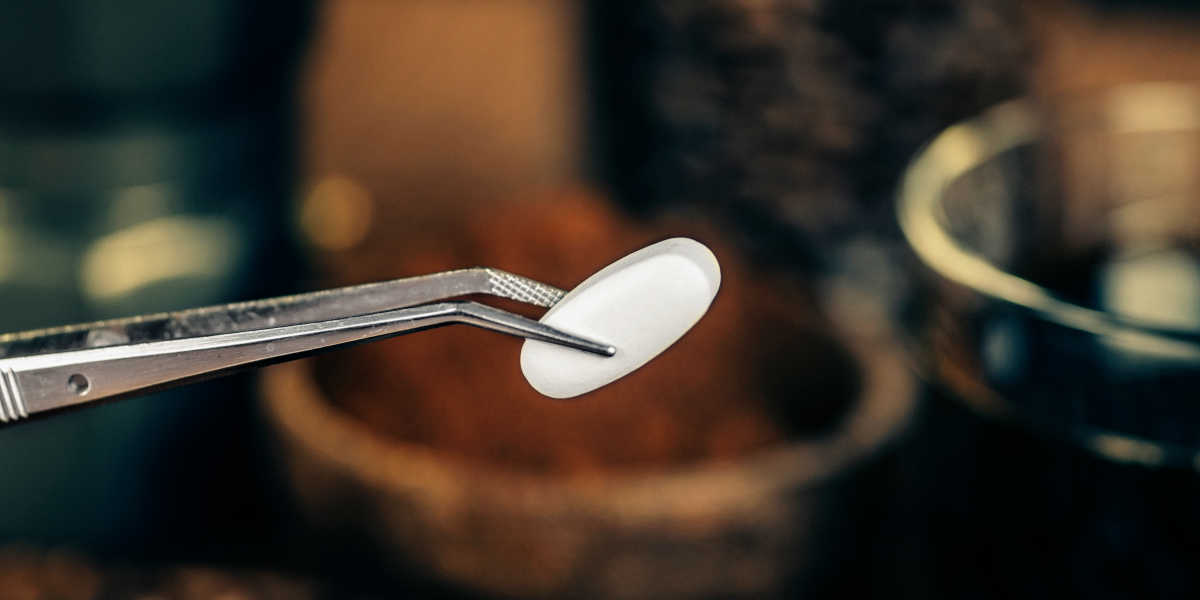
Coffee and creatine are two unbeatable helpers to boost your workout.
In the “gym territory,” caffeine is one of the star substances. Why? Not just one reason, but several. Its stimulating properties, increased heart rate, greater blood pumping, and the clarity it brings when thinking or focusing will make you think twice. You’re going for it!
In fact, it’s not just gym lovers who go crazy for it, as many “less into training” folks fall head over heels for a famous Coca-Cola or an energizing Red Bull, which might not exactly “give you wings,” but almost.
What’s more, we bet not everyone knows that beyond a good cup of coffee or an energizing soda, caffeine is found in other products you wouldn’t usually associate it with, like delicious chocolate.
Now you get where caffeine’s power lies, right? This molecule moves today’s world and, on top of that, improves sports performance.
Learn more about this product in the specific post we’ve prepared – https://www.hsnstore.eu/blog/supplements/sport-performance/caffeine/
How does it benefit performance?
Coffee has long been the go-to drink for those who struggle to stay on their feet every morning. But, could the energy caffeine gives you make you perform better at the gym when you take it “beforehand”? We challenge you to ask around among your workout buddies. Many won’t hesitate to answer with a resounding YES.
Here’s another question: if you’re one of those people with caffeine running through your veins, have you ever wondered what a good caffeine supplement could do for you?
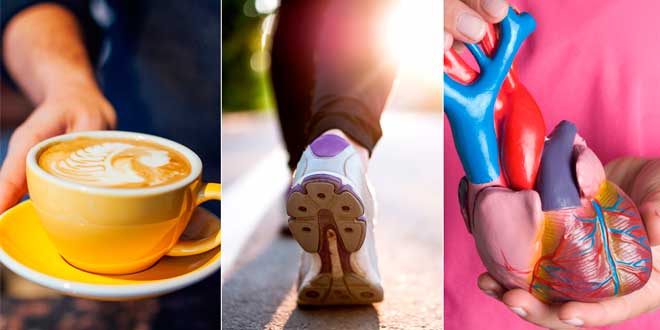
Caffeine helps you improve endurance (more reps) and intensity (higher 1RM). In the next post you’ll find more info from the best pros.
This is due to its central effect, as it blocks adenosine receptors, which means less pain signal transmission, or in other words, your brain will get less info about the pain you feel while training!
When to take it? That’s the key
One of the best ways to take caffeine to boost performance is 30 minutes before training and, whenever possible, paired with EGCG (green tea). Check this link for more info.
Discover its effect on muscle pain and performance
Let’s get to the heart of the matter. A great example of a training protocol is the Hurley study. Participants were asked to do biceps curls at 70%, performing as many reps as possible. The result? The graph shows it.
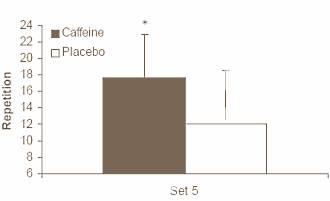
Notice the group that took 5 mg of caffeine per kg body weight averaged 6 more reps than the placebo group. This effect is largely due to less body pain, no doubt.
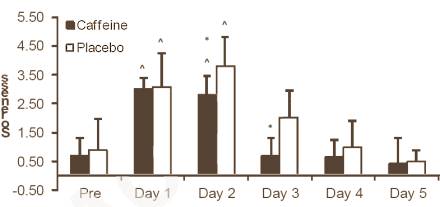
It took 5 days for the pain sensation to equalize between those who took placebo and those who took caffeine. This showed that caffeine helps increase training volume, improving your numbers.
Caffeine and women: it doesn’t discriminate
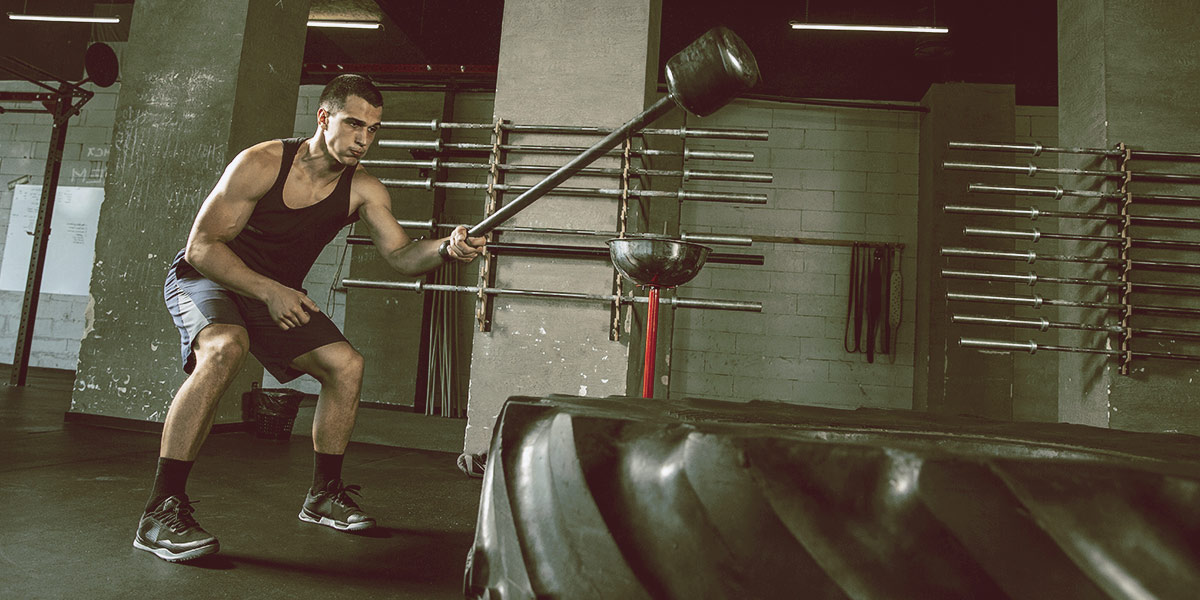
Another great piece of news is that the benefits of a good caffeine supplement have the same effect on men and women. Caffeine doesn’t discriminate by sex, so both men and women notice the improvement. Keep reading because we’ve prepared a specific post.
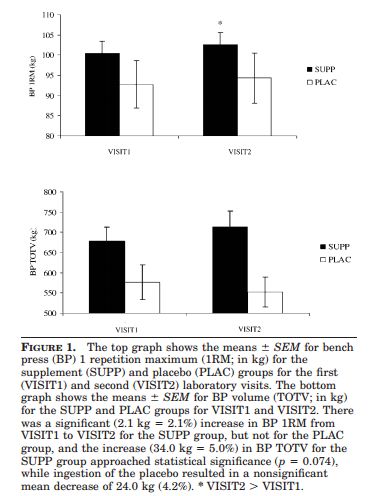
What’s the recommended dose for women? To figure that out, nothing better than the Jacobs study, which showed that consuming 6 mg of caffeine/kg body weight caused a slight increase in bench press performance.
But that wasn’t the only study pointing to bench press improvement. Other studies like Nebraska’s showed an even bigger difference.
And what about post-workout?
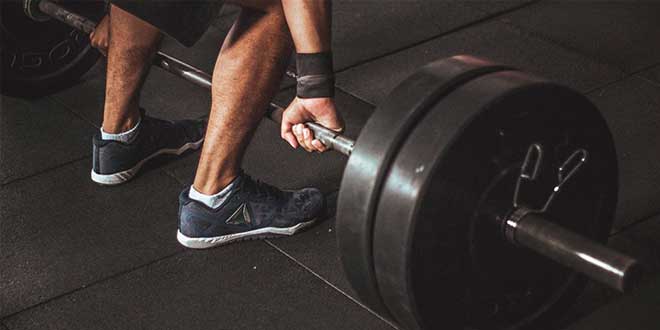
Against all odds, we confirm it: taking caffeine post-workout DOES have a metabolic effect.
Did you know it increases glycogen stores?
Here’s the result:
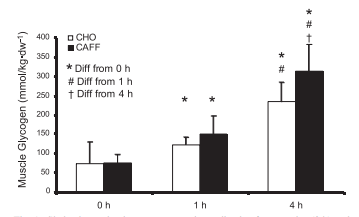
Notice that as hours pass, caffeine’s effect on glycogen becomes clearer: caffeine increases glycogen stores, meaning it acts like fuel when training!
Don’t miss the conclusions
One thing is beyond debate: for effects related to strength and glycogen synthesis, you’ll need high doses of caffeine (between 5-8 mg/kg body weight). Needless to say, it’s not easy to reach these doses just by drinking coffee.
Team up with caffeine supplements to improve your numbers in basic exercises or even those lasting for hours. The results will prove you nailed it!
More info on the topic:
- Are you an athlete and caffeine doesn’t work for you? Check this post
- Caffeine Pills and Their Absorption
Sources
- Central nervous system effects of caffeine and adenosine on fatigue. Davis JM1, Zhao Z, Stock HS, Mehl KA, Buggy J, Hand GA.
- Caffeine-induced changes in cardiovascular function during resistance training. Astorino TA1, Rohmann RL, Firth K, Kelly S.
- The Effect of Caffeine Ingestion on Delayed Onset Muscle. Soreness Hurley, Caitlin F.; Hatfield, Disa L.; Riebe, Deborah
- Caffeine enhances upper body strength in resistance-trained women. Erica Goldstein, Patrick L Jacobs1, Michael Whitehurst1, Tina Penhollow1 and Jose Antonio