 Fitness, Nutrition, Health and Sports Blog In the HSNstore Blog you will find tips about Fitness, sport in general, nutrition, and health – HSNstore.com
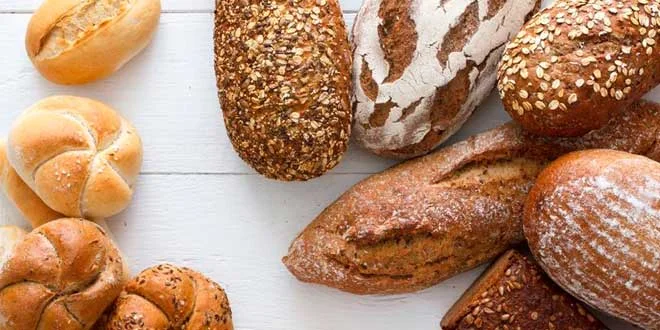

Bread comes with a bunch of beliefs, many of which are myths
Over time, these myths have become more and more popular until they turned into falsely justified beliefs. Bread, as such, is a classic food made for thousands of years.
Cutting out bread to lose weight
This is probably the most widespread myth. You just need to “go on a diet” for the first food to get cut out to be bread automatically.
And magically, you lose weight...

This might be because of the habit of having bread with EVERY meal
Obviously, if you cut out this intake and don’t replace it with other sources, you’ll create a calorie deficit. In other words, you might lose weight just by cutting the calories coming from bread.
The crust makes you gain more weight than the crumb
When making bread, two clearly distinguishable parts are formed: the crust and the crumb. Both come from the same dough, so theoretically they have the same composition.
Traditionally, it’s been said that the crust “makes you gain more weight” than the crumb, something that, if we’re really picky, could be considered valid…
The reasons are simple.
During baking, dehydration happens on the outer part of the dough, giving it that toasted color and crunchy texture that characterizes the crust. By removing the water in that area, we could say that the carbohydrates (mainly) and the small protein fraction in bread get “concentrated.”
So, if we compared the calories in 100 g of crust Vs 100 g of pure crumb, the higher water content in the crumb would make it have a lower calorie load.
However, cutting off the crust from bread wouldn’t be an effective strategy to cut calories

This is because the crust proportion is much smaller than the crumb’s
Whole wheat bread has fewer calories than white bread
Whole wheat bread has the same main raw material: flour. So the calorie content is the same whether you’re eating regular or whole wheat bread.
The main difference is that whole wheat bread comes packed with more fiber (as long as it’s mostly whole wheat flour)

One of the results is greater satiety
Also, a minimum daily fiber intake is necessary to keep our gut flora in good shape.
The “fake” whole wheat bread
It’s common to find breads labeled as whole wheat, multigrain, or with seeds on most supermarket shelves that, once you check their ingredients, you realize they only have a tiny percentage of these nutrients to earn that title.
These breads are made with wheat flour, adding just a pinch of bran or seeds, or something similar, just to catch the consumer’s eye and, therefore, stamp the commercial name: “Seed Bread,” “Multigrain Bread”…
The law allows calling bread whole wheat if it’s made with a bit of whole wheat flour
“No, you don’t have to eat bread every day”
Maybe out of habit, bread is and has been the food most present on our table.
In some places, it seems unthinkable to “eat without bread”

Although nutritionally, we could consider it a carbohydrate source, just like rice or potatoes
But due to its processed nature and added ingredients, it might not be the most optimal. We’re talking, of course, about pre-baked breads whose low price reflects lower quality compared to others.
Bread gluten isn’t poison, unless you’re celiac
The “gluten-free” trend seems to have taken hold, even among people who don’t have this condition.
Gluten is a protein found in cereals like wheat, rye, and barley

It’s not any toxic agent as some want you to believe, purely for commercial reasons
Most people can digest this protein without any problem, and our immune system doesn’t see it as a threat (which is why the typical effects seen in celiac people don’t happen).
Sandwiches are a bad example of food
False. A sandwich can perfectly be a meal with the right calorie and macronutrient content. Sure, if you’re on a ketogenic diet, it wouldn’t be the food to include, but for any other diet, it’s a great choice.
When we talk about a sandwich, we can follow a recipe like:
So, bread is an energy food we should have in our daily diet, but we must be very aware of the false bread myths
Related Posts
- Benefits of Ezekiel bread
- Broccoli Bread Recipe
- The best types of bread for the fitness diet