 Fitness, Nutrition, Health and Sports Blog In the HSNstore Blog you will find tips about Fitness, sport in general, nutrition, and health – HSNstore.com
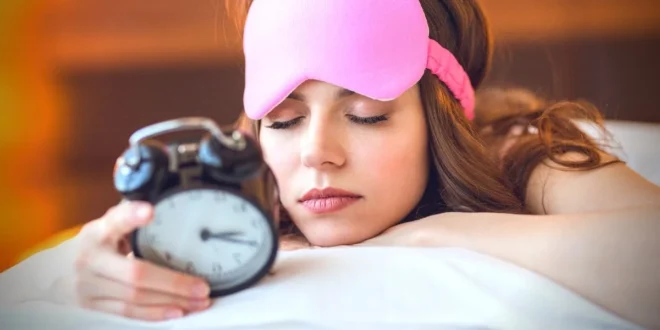

In the tech era, certain mechanisms that regulate such important aspects of humans as the sleep cycles are still somewhat unknown.
A fascinating mystery that’s starting to be uncovered is melatonin, a hormone your body naturally produces that affects that cycle but also aging and immune defenses. Anything else? Yep. In an incredible display of virtues, it slows down diseases like AIDS or cancer. That said, we can say it’s true that melatonin is good for sleeping. Here’s why, more info

Discover why it’s called the “Sleep Hormone”
The famous circadian rhythms respond to your biological functioning and complete 24-hour cycles, whose start and end are marked by the light-dark pattern.
So, it’s basically an “internal or biological clock” made up of a molecular network of cells throughout the body, governed by the central processing unit (brain) in a specific region, the suprachiasmatic nucleus, formed by a type of nerve cells.
Your “central clock” is what keeps the whole system in sync. Its influence over this master control causes the resulting changes in the behavior of the rest of the parts.
The factors influencing it mainly come from the disruption of your sleep-wake cycle, based on your environment. Some key triggers include exposure to excessive light close to bedtime, chronic stress situations, or “jet lag” from long trips.
Here are some main symptoms of poor regulation in this rhythm!
- Obesity
- Diabetes
- Depression or seasonal depression
- Bipolar disorder
Circadian rhythms are crucial for determining human sleep patterns besides the proper functioning of the hormonal axis, so they’re closely linked to your behavior and mood.

Luckily, melatonin supplements are currently the most natural, safe, and effective way to restore your body’s circadian rhythm balance. A key hormone that helps you get restorative sleep and keep your biological clock perfectly in tune, without needing meds. And no risk of side effects for your health!
Get a healthy sleep
We’ve already mentioned it. Want to enjoy good health? Then you need to get restorative sleep. You have to tell the difference between a sleepless night and lack of sleep. Who hasn’t had a rough night? The problem comes when counting sheep every night becomes routine.
And what about older people? Well, things change for them, but for the worse! Night awakenings can become a real problem, and the reason is none other than the drop in melatonin linked to aging. In these cases, it’s common they end up talking about it at the doctor’s office.
Along these lines, the European Union approved a prolonged release of 2 mg melatonin daily for treating primary insomnia characterized by poor sleep quality.

Melatonin helps you sleep naturally
Melatonin’s popularity comes from its benefits as a natural substance that helps you sleep. An excellent alternative to meds, that is, sleeping pills whose bad rep comes from unwanted side effects.
Everyone knows these conventional sleep treatments prescribed by doctors come with a long list of contraindications, with one standing out: dependence (don’t miss the post). And you didn’t become the independent adult you are to end up forced to take a pill to get rest. Let melatonin for sleeping help you out!
No wonder more and more people choose a natural product to get restorative sleep. Its name? The one you’re thinking of: melatonin, whose sleep benefits earned it the nickname “sleep hormone,” though it’s also called the “darkness hormone” because it’s released by the pineal gland whenever the sun goes down.
Are supplements the answer?
Yes. Melatonin supplements are the answer since many clinical studies show melatonin helps those with unbalanced biorhythms, as well as night shift workers.
Need better sleep quality? In our online store you can buy the best melatonin supplements. By the way, this hormone is also an amazing help to “checkmate” insomnia problems in people with chronically low melatonin levels and schizophrenia, whose sleep quality is very poor.

A 2012 study published in “Drugs & Aging” analyzes the effects of prolonged-release melatonin for treating insomnia in people over 65 years old.
The double-blind randomized study found that:
- 2 mg melatonin taken one to two hours before bedtime resulted in significant improvement in sleep quality and duration, plus better morning alertness. All this positively impacted participants’ quality of life
- Whether 2 mg melatonin was taken short or long term, no dependence symptoms, tolerance issues, rebound effects, or withdrawal symptoms related to insomnia appeared
With melatonin, you’ll stop fearing the alarm clock because before it rings, your sleep will have been super peaceful. Get eight hours of deep rest and your health will be better than ever. So, are you telling us now or going to sleep?
Want to discover more natural products to help you sleep well? Check out HSNstore.
Think you know all about this topic? Here’s more:
- 10 Benefits of Melatonin beyond helping you fall asleep
- What is Melatonin for? Helping you sleep well is its main function
- https://www.hsnstore.eu/blog/supplements/to-sleep-well/melatonin/how-to-take/